
Last updated November 23, 2026
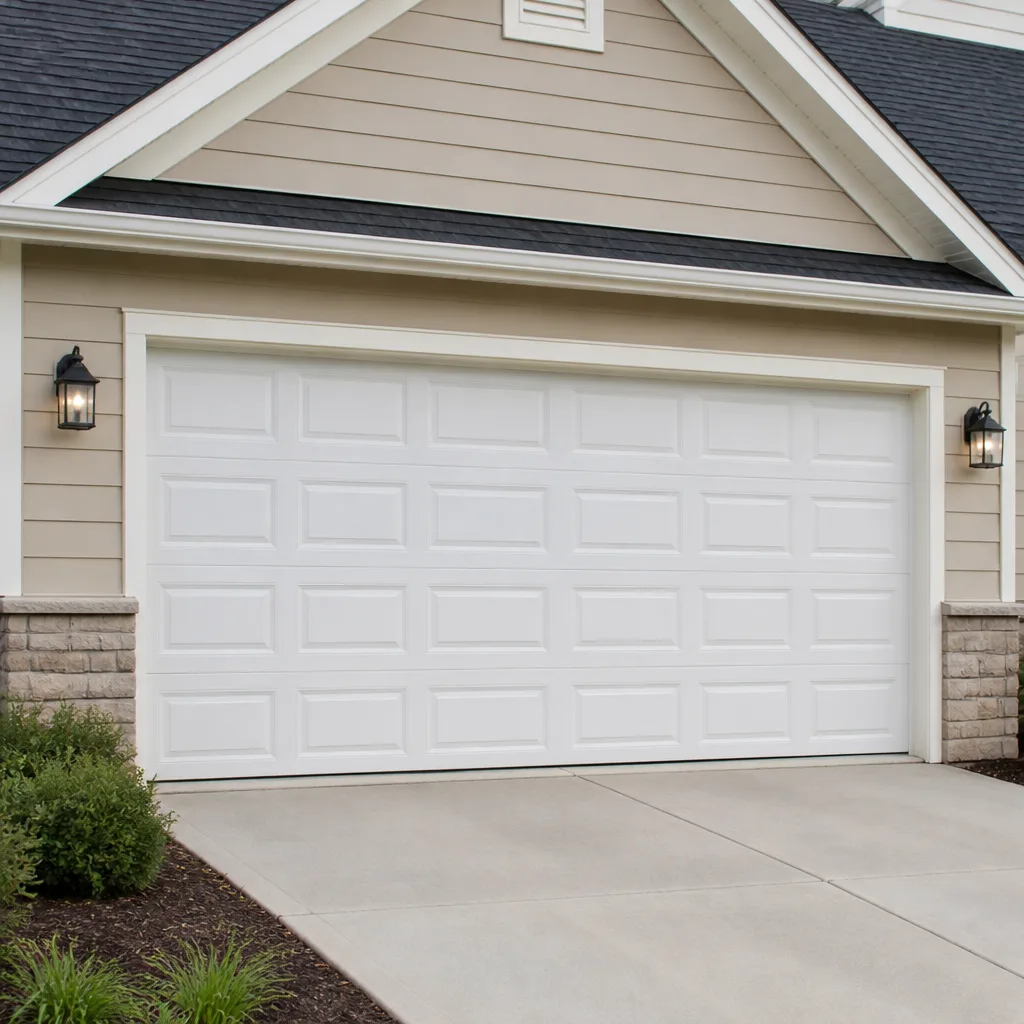 Raised-panel steel
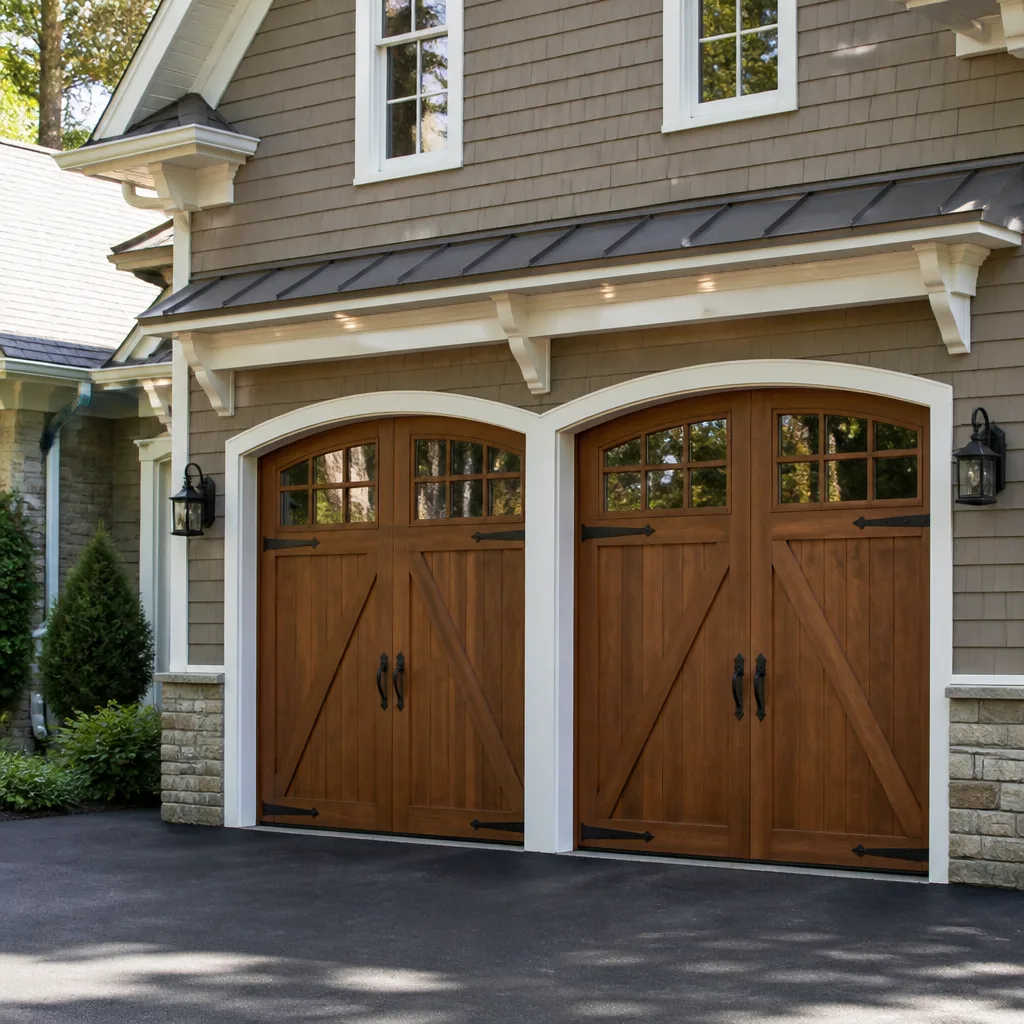 Carriage house
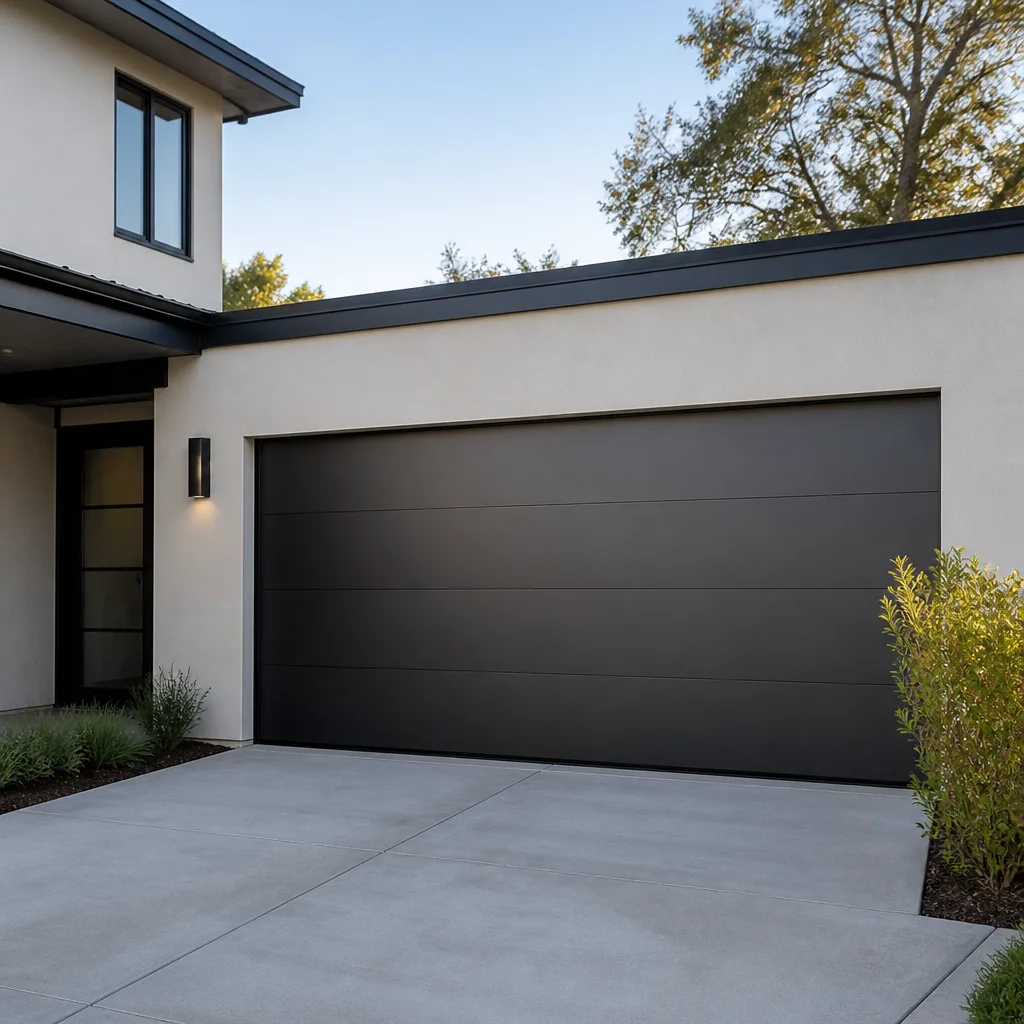 Modern flush
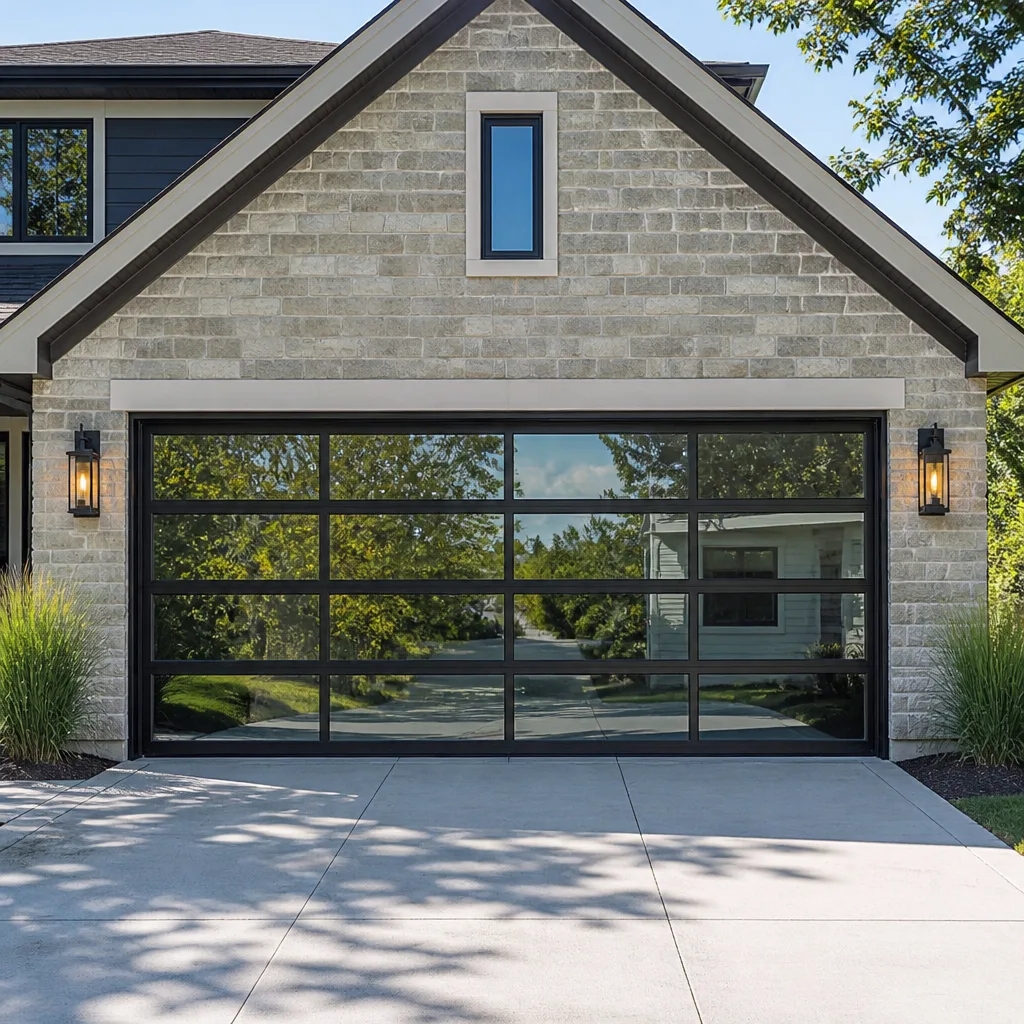 Full-view glass
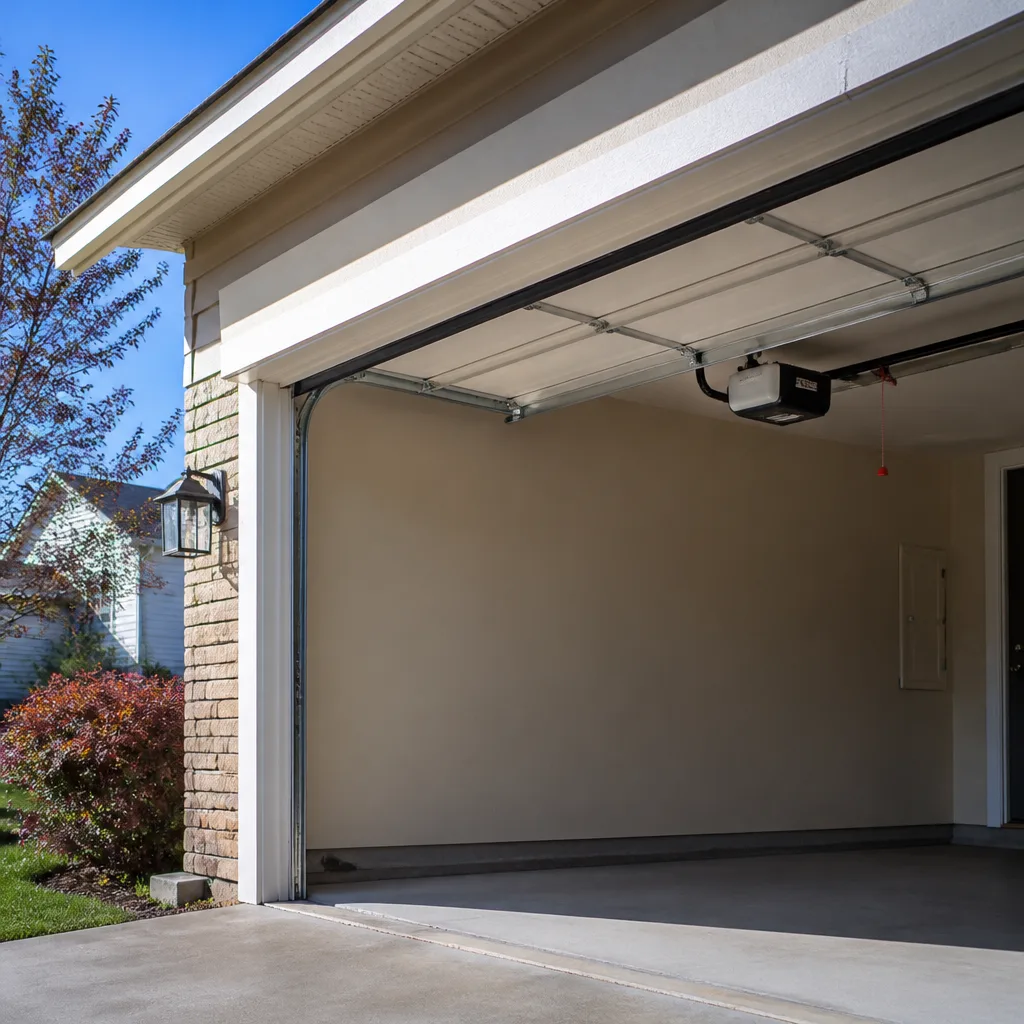 LiftMaster openers
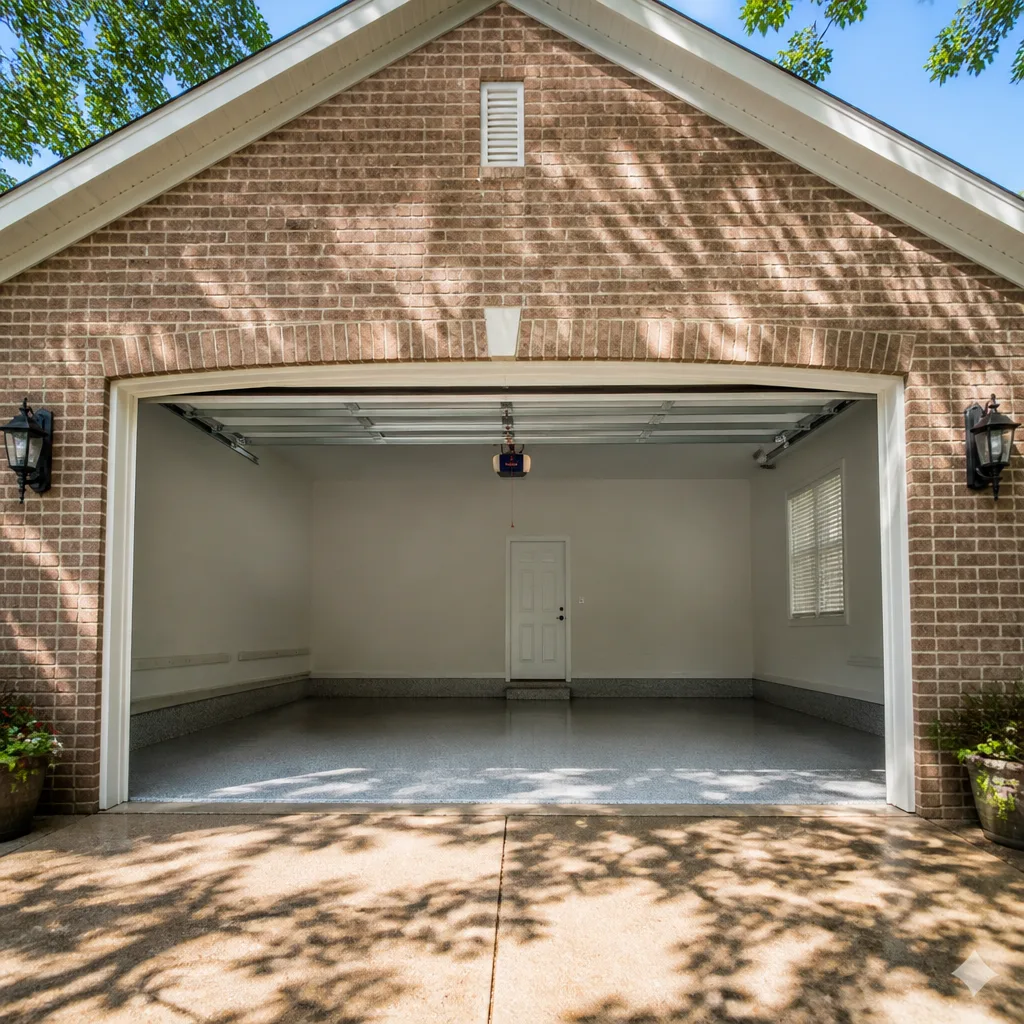 Chamberlain openers
Full 25-point door and opener safety check with every visit - springs, cables, rollers, tracks, and your LiftMaster or Chamberlain opener included
You get a price before we start. It does not change when the pro arrives.
Get your free estimateGarage Door Permits, Codes & Inspections in Vineland, NJ: What You Need to Know
Here’s the part most Vineland homeowners learn too late: if a garage door replacement needed a permit and nobody pulled one, the paperwork problem follows the house, not the contractor. By closing, an unpermitted job is yours to explain, and Cumberland County title searches can surface work that was never recorded. This guide lays out when New Jersey’s Uniform Construction Code requires a garage door permit in Vineland, what a city inspector actually looks at, how the state’s energy rules affect an insulated door swap, and how to clean up a permit someone else skipped. We work on garage doors every day, so we’ll keep the code talk in plain language and point you to the right questions for your local building department.
Quick Answer
In Vineland, a garage door repair generally needs no building permit, but a full garage door replacement usually does under the New Jersey Uniform Construction Code. The permit isn’t about the door itself as much as it is about the opening it covers: the fire-separation wall of an attached garage, the opener’s safety reverse, and clearance. Confirm the exact permit threshold with the Vineland building department before work starts, and get a written scope that says whether a permit is included.
Styles & brands we work with
- Raised-panel steel
- Carriage house
- Modern flush
- Full-view glass
- LiftMaster openers
- Chamberlain openers
Table of Contents
- Repair vs. Replacement: Where the Permit Line Falls
- What New Jersey’s Uniform Construction Code Says
- What a Vineland Building Inspector Checks
- The Energy Subcode and Insulated Door Replacements
- Pulling an After-the-Fact Permit on Old Work
- HOA Rules That Stack on Top of City Code
- When to Call a Professional
- Frequently Asked Questions
Repair vs. Replacement: Where the Permit Line Falls
This is the question we hear most, and the answer isn’t as clean as homeowners hope. A permit hinges on whether the work changes the door assembly as a structure in your wall opening, not just on whether the new door is the “same size, same location” as the old one. A torn bottom seal, a bent track section, a snapped cable, a dead opener: those are repairs. Replacing the entire door and its hardware on a like-for-like basis usually crosses into replacement territory.
Why does “same size, same location” fail as a rule of thumb? Because a replacement door carries a new labeled assembly, new torsion system, and new mounting hardware, and the inspector needs to verify the opening is still safe once the original door is gone. Different jurisdictions draw that line a little differently. In Vineland, ask the building department directly with the make, model, and dimensions in hand before you buy.
Here’s a rough breakdown of how our work maps to the permit question:
- Spring, cable, or roller replacement: repair, generally no permit.
- Opener replacement (LiftMaster, Chamberlain, Genie, and similar): repair, generally no permit, but the unit must meet current auto-reverse safety.
- Panel or section replacement on an existing door: repair in most cases.
- Full door replacement (new Clopay, Amarr, or similar): often requires a permit.
- Enlarging or relocating the opening: structural, permit required.
When in doubt, call the city before the truck shows up. A five-minute phone call to the building department prevents a five-figure headache at closing. If you’re not sure which category your job falls into, a garage door repair assessment is a good place to start, because we can tell you whether the door is repairable or on its way to replacement.
What New Jersey’s Uniform Construction Code Says
New Jersey regulates residential construction through the Uniform Construction Code, handled locally by the Vineland building department. The UCC is where the requirement for a permit on structural and envelope work lives, and it’s also where your inspector’s authority comes from. We won’t hand you a code section number here, because there isn’t one that means “garage doors” specifically. The determination is always made on the scope of work by the local official.
What the UCC does give you is a structure for the process. Understanding the flow keeps surprises out of your job:
- Scope of work in writing. The permit application needs a description of what’s changing. “Replace existing overhead garage door with new insulated door of same dimensions” is a scope. “Fix door” is not.
- Subcode technical sections. Depending on the work, more than one subcode may apply: building for the structure, energy for insulation, and electrical if the opener circuit changes.
- Application and fee. Filed with the Vineland building department. Fees are set locally, so confirm them with the city.
- Inspection scheduling. Your contractor (or you, if you’re managing the project) schedules the inspection while the work is open and accessible.
- Certificate of approval. This is the paper trail. Keep it with the file for the door. In a future sale, this document is worth more than any marketing brochure.
One thing to be clear about: as garage door specialists, we handle the door, the opener, the springs, the tracks, and the balance. We’re not the inspector, and we don’t issue permits. On Vineland jobs that need one, the scope and the permit status need to be settled before the door arrives on site. A contractor who pulls their own permit carries the responsibility for the inspection. A homeowner who hires the one contractor who didn’t pull a permit carries it themselves.
What a Vineland Building Inspector Checks
The inspection is not about how the door looks. It’s about how the opening performs as a barrier between the house and the outside world. Three things come up again and again.
Fire-separation wall integrity
If your garage is attached, the wall between it and the living space is a fire-separation wall. The inspector is going to look at that wall, the door into the house, the area around the opening where the new door mounts, and any damage from the old door’s hardware. Fasteners, sealants, and any penetrations need to leave the fire barrier intact. A door that installs cleanly is a door that doesn’t undermine that wall.
Opener auto-reverse compliance
On a new or replacement opener install, the inspector wants to see the safety reverse system functioning. That’s the photo-eye pair plus the internal force setting. In Vineland we see a lot of older LiftMaster and Chamberlain units with eyes that have been taped or blocked to stop a false trip. If an inspector trips the beam and the door doesn’t reverse, the inspection fails. Getting the eyes tested and the force setting dialed in before the inspector arrives saves a return trip.
Egress clearance and headroom
The door must open and close cleanly without binding, the springs must be balanced, and the hardware must be clear of anything in the travel path. If the opening has been modified, or if the new door is heavier than the old one and the torsion system wasn’t matched to it, an inspector will catch it. We balance every door we install for exactly this reason.
Also expect a paper check. The inspector wants to see the permit posted, the approved scope on the door, and the contractor information on file. If a permit exists but the scope doesn’t match what was installed, you can end up re-filing with corrected plans. That’s a cost and a delay worth avoiding.
The Energy Subcode and Insulated Door Replacements
New Jersey has an energy subcode, and it applies to the building envelope. The garage door is part of the envelope for the purposes of this subcode when the garage is conditioned or attached. So replacing a door with a new insulated door isn’t just a comfort upgrade. It may come with a documentation requirement.
What does that look like in practice?
- Manufacturer’s spec sheet. Every insulated door comes with a rated R-value from the maker. Clopay, Amarr, and most major manufacturers publish this, and the spec sheet is the document that goes with the permit file.
- Subcode alignment. The energy subcode sets a performance target for envelope components on new construction and substantial alterations. Your local official applies it. Confirm with the Vineland building department what documentation your specific replacement will need.
- Door-to-wall interface. The perimeter seal and the interface with the wall matter. An insulated door that leaks air around the frame doesn’t perform like an insulated door, and an inspector will notice.
Here’s the practical advice: don’t buy the door before you know what documentation the city wants. Cost-wise, a typical door replacement in the Vineland market runs roughly in the low four figures for a standard single door and higher for a double or a carriage-style unit. That’s an estimate and the written quote from the contractor is what settles the price. But the R-value paperwork is free from the manufacturer once you know the model number.
We handle this documentation for our install jobs. Our technicians have up to 11 years of experience on both door replacement and opener work, and matching a door’s rating to what the envelope needs is routine for us. If you’re replacing an opener at the same time, garage door opener repair is a separate scope and usually doesn’t trigger a permit. That distinction matters when you’re building a project budget.
Pulling an After-the-Fact Permit on Old Work
This is where things get uncomfortable. You buy a Vineland house, and somewhere in the history, a previous owner replaced the garage door without a permit, or converted a carport, or had an opener installed that was never inspected. The work may be fine. The paper trail isn’t. Now you’re the one who owns the problem.
The good news: New Jersey has a process for this. The bad news: it takes patience and it helps to have someone who knows the dance. Here’s how it usually goes.
- Assess what actually exists. Before you call the city, know what’s installed. Door size, make, model, opener type, age. Photos help. A specialist can inspect the existing install and tell you whether it’s built to current safety standards.
- Call the Vineland building department. Describe the situation honestly. In most cases, they’ll guide you to the after-the-fact permit process, sometimes called a variation or a permit to cover existing work.
- File the application. Typically this involves a description of the existing work, photos, the manufacturer’s specs for the door and the opener, and the fee. The exact requirements are set by the city, so confirm them.
- Schedule inspection. An inspector visits to verify the door and opener meet current safety requirements. The auto-reverse check and the balance check come up here too.
- Address any deficiencies. If the door is missing a photo-eye, has a binding track, or has an opener without auto-reverse, those get corrected before a certificate of approval is issued.
- Keep the records. The point of the exercise is a clean file for the future sale. Put the certificate with your home documents.
How does a licensed contractor handle this differently than a homeowner? Mainly in the diagnosis and the sequencing. We can tell you quickly whether an old install can be brought up to standard or whether the door itself has to go. We know which documentation the inspector is likely to want, and we can get the door and opener into compliance so the inspection passes cleanly. A homeowner handling it alone often files the application, gets a deficiency list, then has to call a professional anyway.
One more thing: a failed spring, a bent track, or a door that’s out of balance is a safety issue regardless of permit status. If you’re not sure whether yours is in shape, garage door spring repair is a place to start the conversation. Springs are also the most dangerous component of the assembly. Never attempt spring work yourself. The stored tension in a torsion spring can hurt you badly, and a trained professional is the only safe way to handle it.
HOA Rules That Stack on Top of City Code
Here’s what the code books don’t tell you: a city permit doesn’t satisfy your homeowner’s association, and your HOA’s architectural rules don’t override the building department. A Vineland door swap can be subject to both.
In the newer subdivisions, especially the developments that have opened up around Delsea Drive and along the newer residential corridors, HOAs often carry their own architectural review process. Some of the rules we see commonly:
- Material restrictions. Certain developments restrict door materials to steel or a specific manufacturer line. Composite and wood-look options may need separate approval.
- Color palettes. The approved color list is usually short and specific. White, almond, and a few browns are common. A dark charcoal or a custom color may require a variance.
- Window and panel configuration. The number of windows, their layout, and the panel style (raised, recessed, carriage) may be restricted to keep neighborhood consistency.
- Opener noise. Some associations ask for belt-drive openers in attached garages to keep noise down. LiftMaster and Chamberlain both make quiet belt-drive units that fit the bill.
- Submittal requirements. Photos, the manufacturer’s spec sheet, and a color swatch are common. The approval timeline depends on the board’s meeting schedule.
The order of operations matters. Get HOA approval on the door style and color before you order, and get the city permit before installation. If the HOA says no to a door you’ve already paid for, that’s an expensive mistake. If the city requires a permit and the door goes in without one, that’s the closing problem we started with.
When to Call a Professional
Some jobs are fine to handle yourself. Swapping a remote battery, resetting a Wi-Fi opener, cleaning the photo-eye lens: all reasonable. But a permit-required replacement, an opener safety adjustment, or anything that touches the springs, tracks, or cables is a different story. Here’s where it makes sense to bring in a specialist.
Call a professional when:
- The door has to be replaced, and you need to know whether a permit is required and what documentation to file.
- The opener’s auto-reverse, force setting, or photo-eye system needs to be verified and adjusted.
- A spring has broken, or the door is out of balance and heavy to lift, or you’ve noticed the torsion system making noise.
- You’re facing an after-the-fact permit situation and want the existing install assessed and brought up to standard.
- An HOA has approved a door style and you need to know if the model actually fits the opening.
Garage Door Repair Vineland offers free estimates in Vineland. Give us a call at (844) 443-4769. We answer 24/7. Fast dispatch from 7am to 7pm, Sunday through Friday. We work on Clopay, Amarr, LiftMaster, and Chamberlain systems specifically, and we’ll tell you when a permit is likely required before we commit to a scope.
Frequently Asked Questions
In most cases, yes. A full garage door replacement in Vineland usually requires a building permit under the New Jersey Uniform Construction Code, while a repair (springs, cables, rollers, opener replacement) generally does not. The city’s building department makes the final call based on your scope of work, so confirm with them before the door arrives on site. Call (844) 443-4769 if you’d like a free estimate and a scope in writing.
It can. Cumberland County title searches and the buyer’s inspection process frequently surface work that wasn’t recorded with the municipality. An unpermitted replacement becomes the seller’s problem to resolve, often with a rushed after-the-fact permit and a fee at the worst possible moment. Call (844) 443-4769 to get a door inspected before you list.
The inspector checks three things: fire-separation wall integrity for attached garages, opener auto-reverse (photo-eye and force setting), and egress clearance with a properly balanced door. They’ll also verify the posted permit matches the work performed. Call (844) 443-4769 for a pre-inspection assessment.
Yes. Vineland, like the rest of New Jersey, has a process for pulling an after-the-fact permit on existing work. The typical route is to call the building department, file an application describing the existing install, and schedule an inspection. Any deficiencies (missing photo-eye, binding track, an opener without auto-reverse) get corrected before a certificate of approval is issued. Call (844) 443-4769 for an assessment of what’s installed.
It can. The energy subcode applies to the building envelope, and the garage door is part of that envelope for an attached or conditioned garage. Expect to supply the manufacturer’s R-value spec sheet for the new door, and confirm with the Vineland building department what documentation your specific replacement requires. Call (844) 443-4769 and we’ll pull the spec sheet for whatever door model you’re considering.
Either can work, but the responsibility falls on whoever pulls it. When a contractor pulls the permit, they carry the responsibility for the inspection and any corrections. When you pull it, that responsibility is yours. Whichever path you choose, make sure the scope of work described on the permit matches what’s actually being installed. Call (844) 443-4769 to discuss how we handle permits on Vineland jobs.
Yes, and they’re a separate layer. Your HOA’s architectural review is not the same as the city permit, and an approved HOA submittal doesn’t satisfy the building department. Common HOA restrictions in Vineland-area subdivisions cover material, color, window configuration, and sometimes opener noise. Get HOA approval before ordering the door. Call (844) 443-4769 to talk through door options that meet both sets of rules.
The Bottom Line
The permit question for a Vineland garage door comes down to one word: replacement. Repairs go in without one. Full replacements usually don’t. The permit protects the fire-separation wall, the opener’s safety systems, and your paper trail for a future sale. Confirm the requirement with the Vineland building department, get the written scope in hand, and let a specialist handle the install and any after-the-fact cleanup. A door that’s installed right the first time is one you never think about again. A door that isn’t, shows up at closing. For a free estimate on any garage door work in Vineland, call Garage Door Repair Vineland at (844) 443-4769. We answer 24/7. Fast dispatch from 7am to 7pm, Sunday through Friday.
If you’re ready to move forward on a door or an opener that needs attention, our Garage Door Repair Vineland team is the place to start, and you can browse the full scope of what we handle in one place. We’re proud to be part of the Vineland community, and every door we touch gets the specialist attention it deserves.
Written by the team at Garage Door Repair Vineland.
See the difference
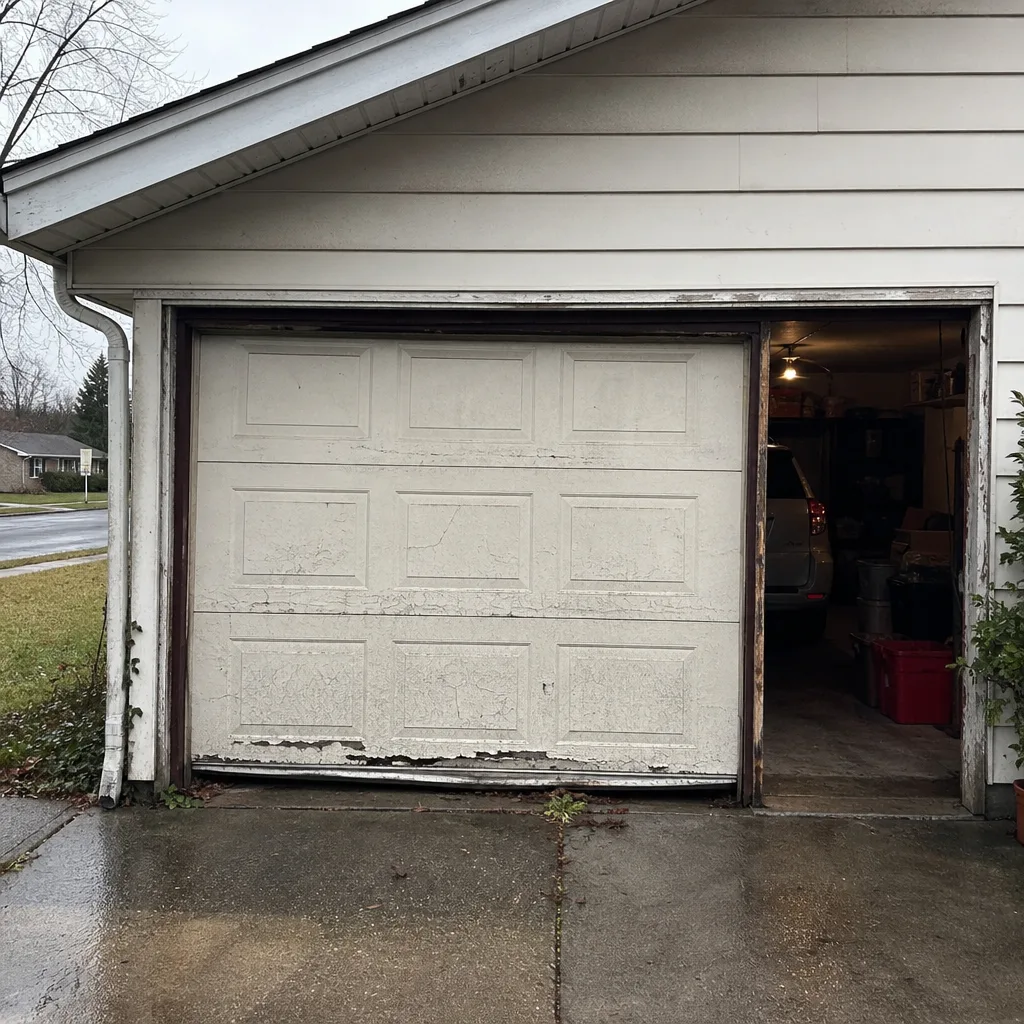 Before
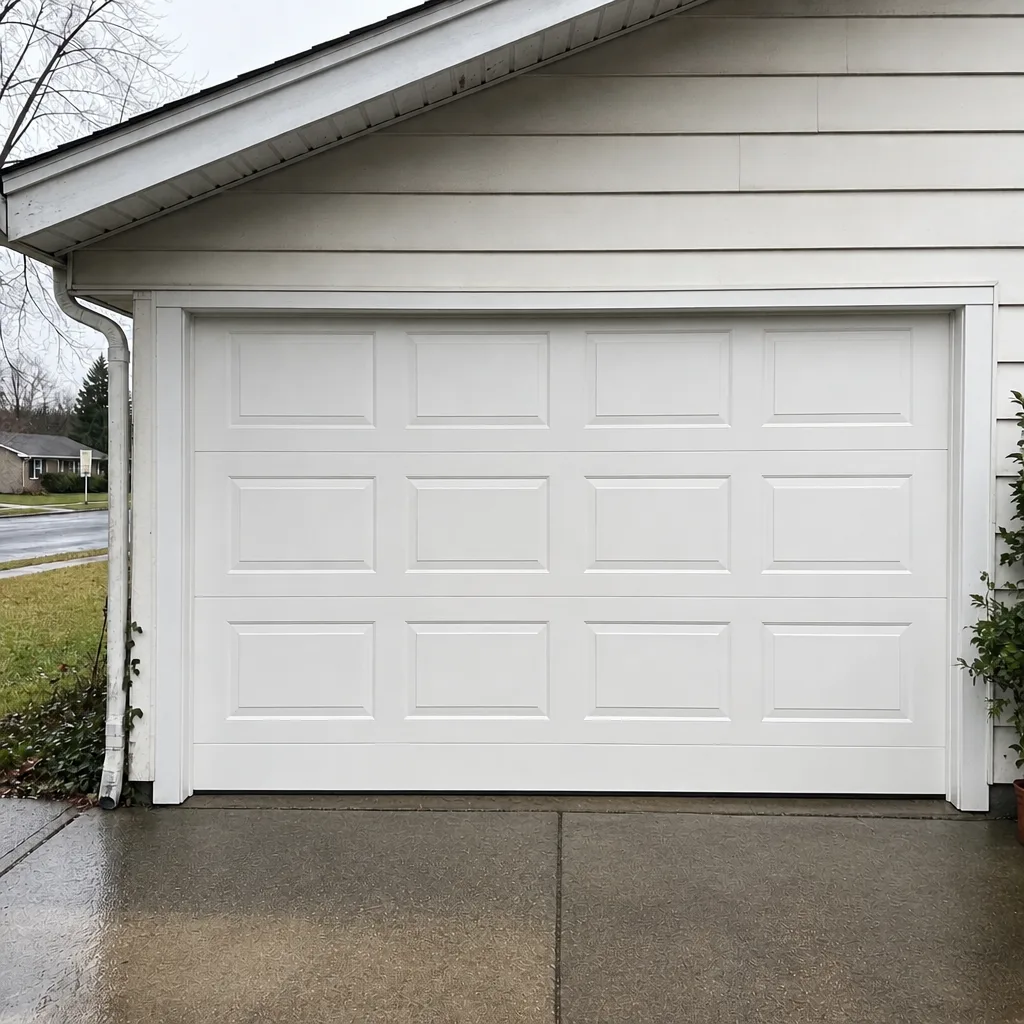 After
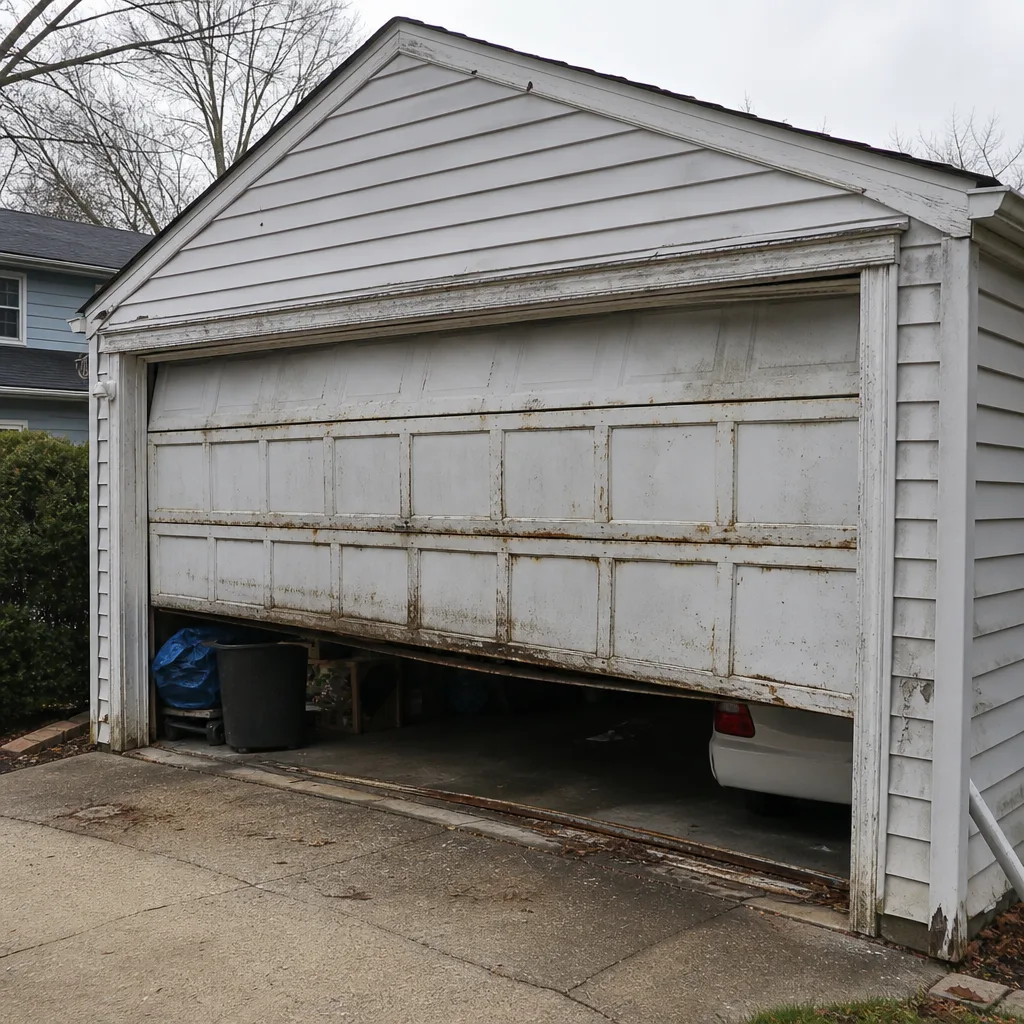 Before
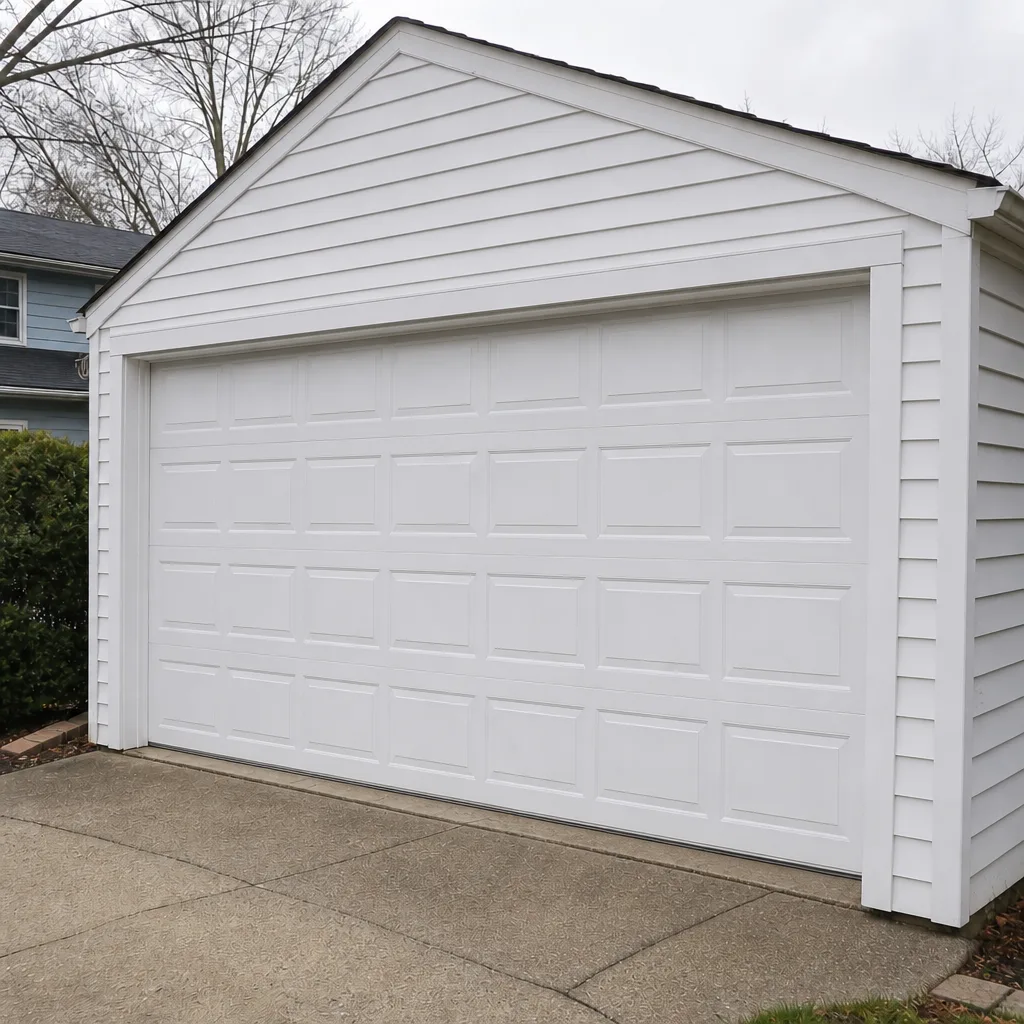 After
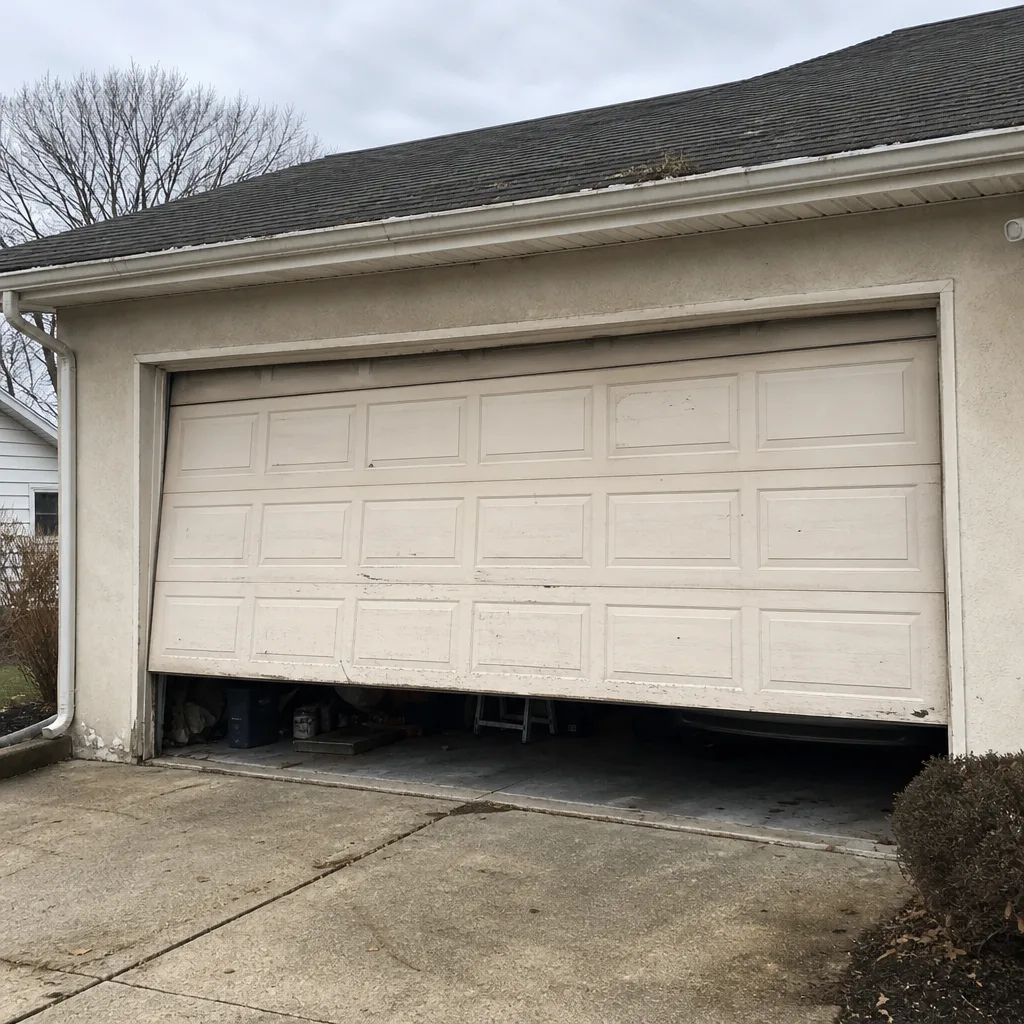 Before
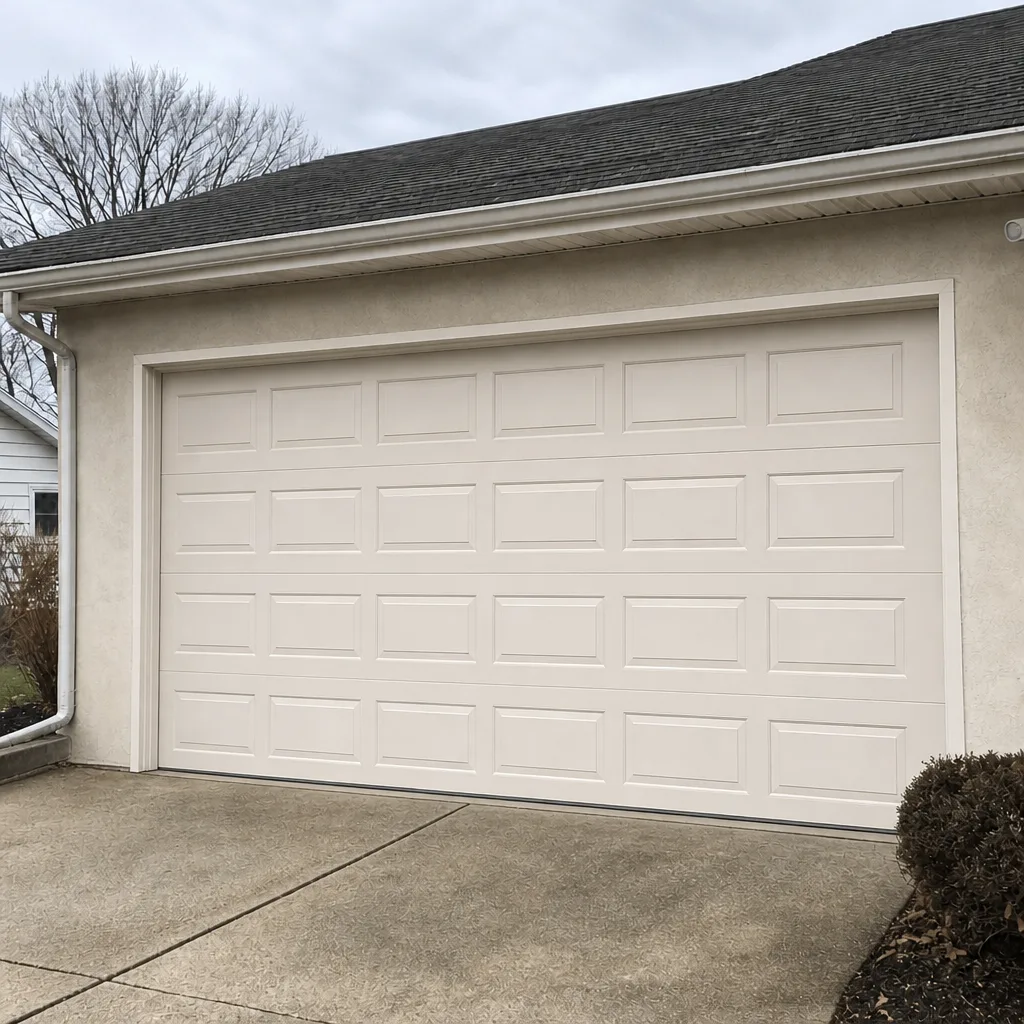 After