
Last updated November 23, 2026
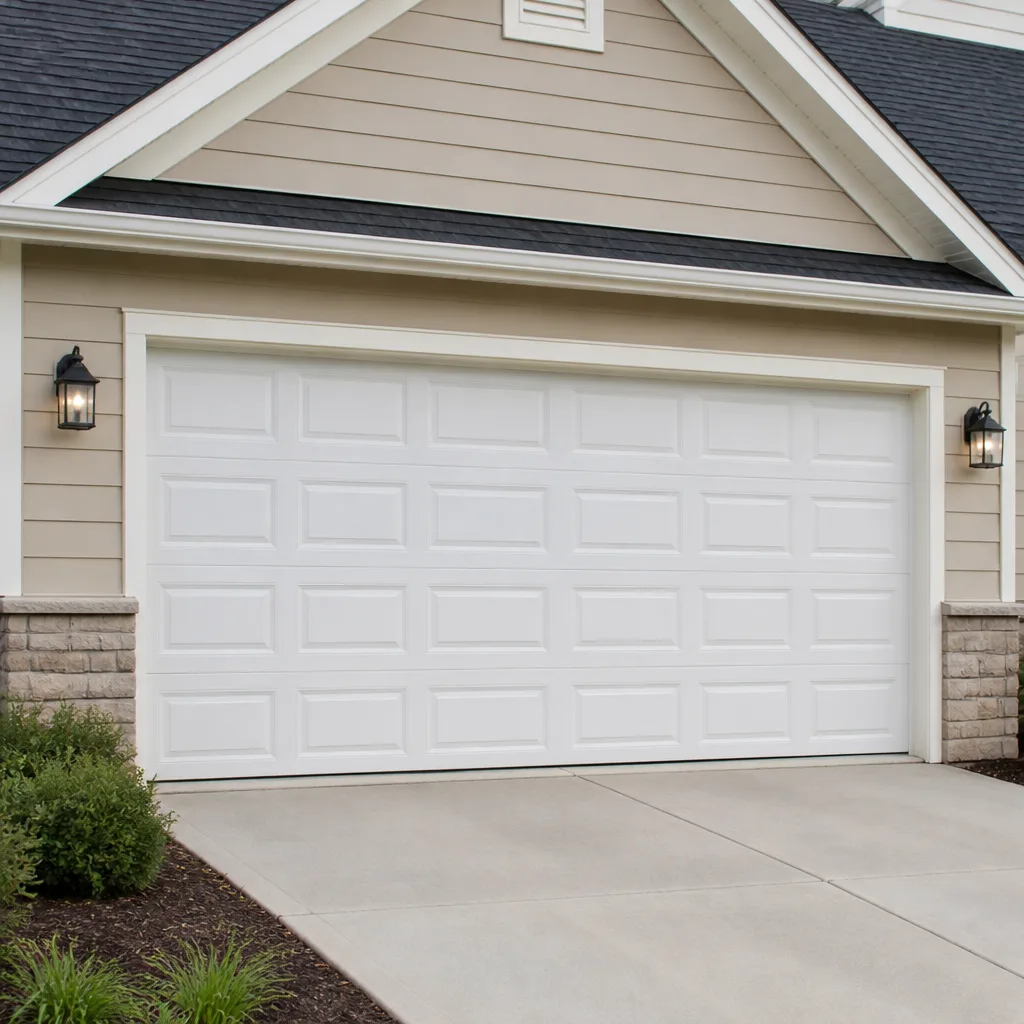 Raised-panel steel
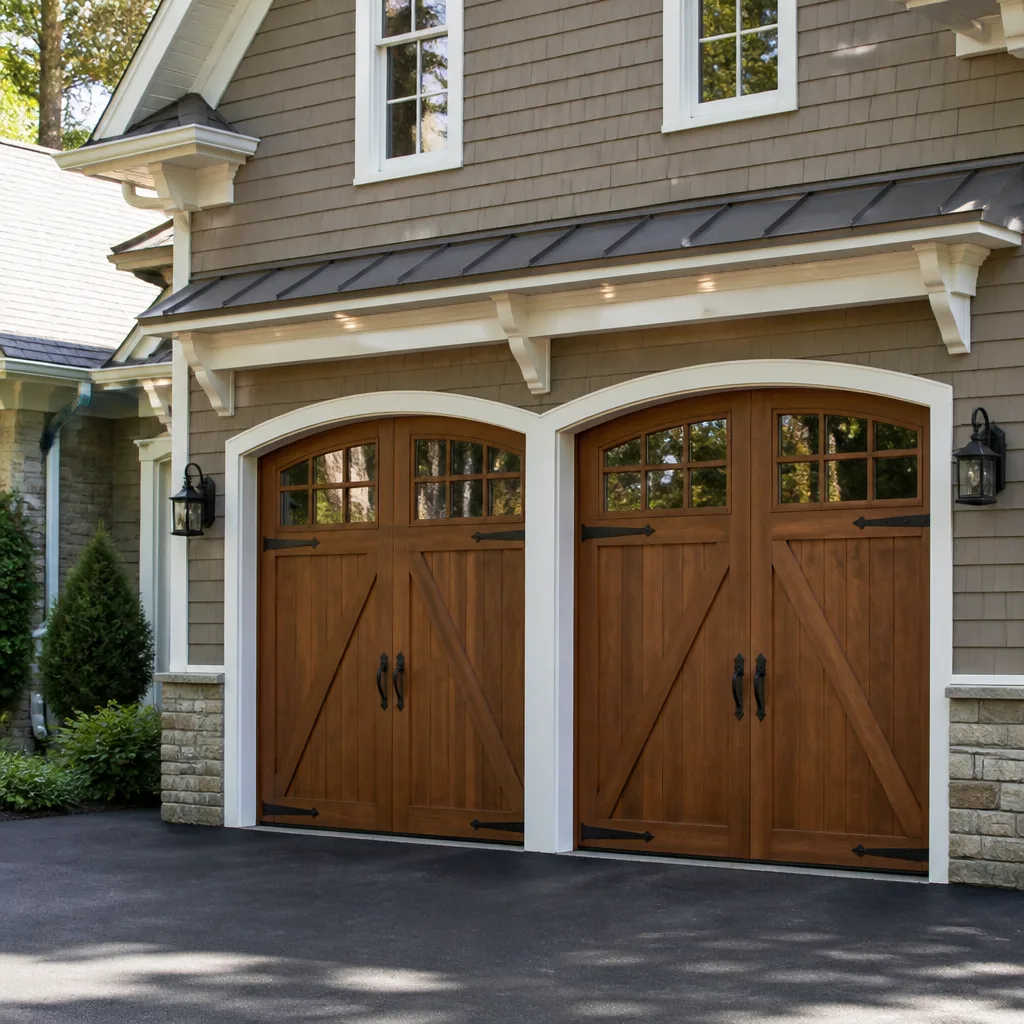 Carriage house
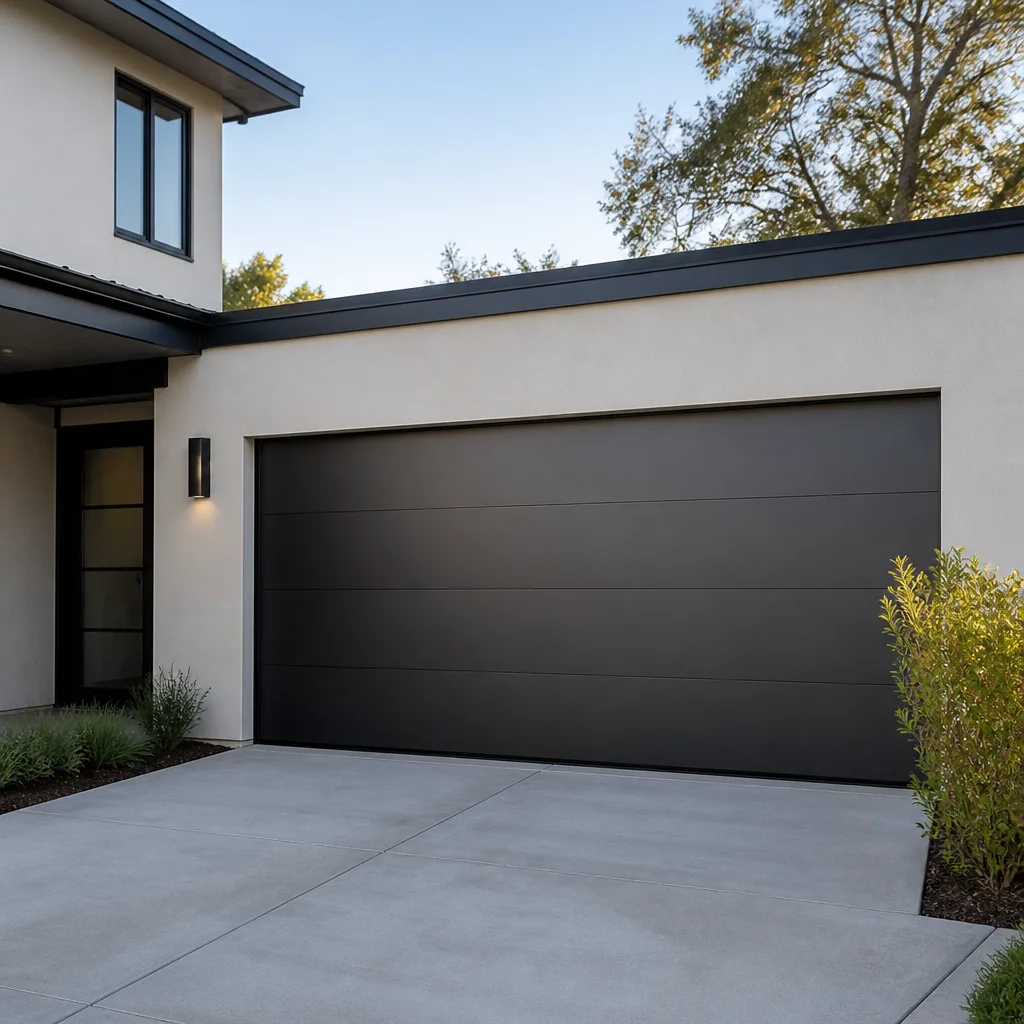 Modern flush
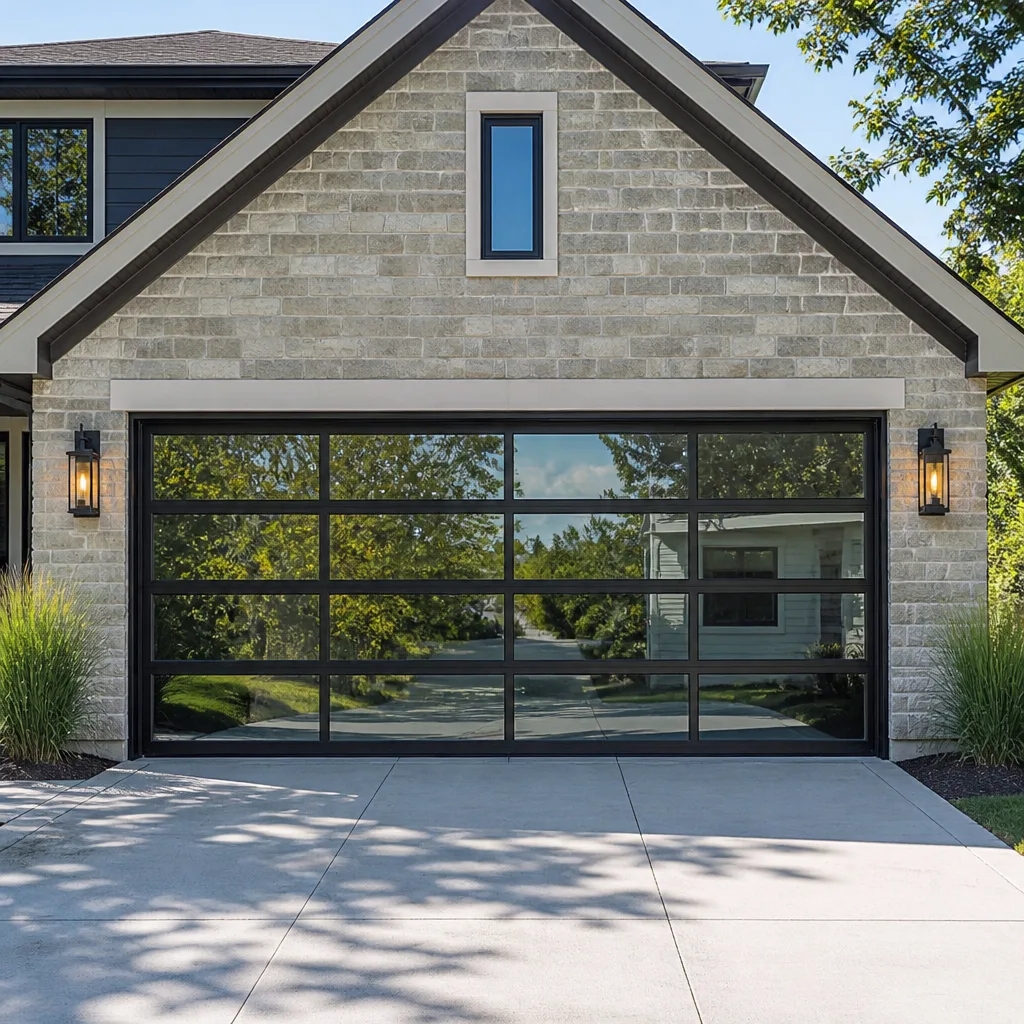 Full-view glass
 LiftMaster openers
 Chamberlain openers
Full 25-point door and opener safety check with every visit - springs, cables, rollers, tracks, and your LiftMaster or Chamberlain opener included
You get a price before we start. It does not change when the pro arrives.
Get your free estimateSeasonal Garage Door Care for Vineland: Year-Round Homeowner’s Guide
February gets all the attention in most garage door advice, but the calls that fill our schedule in Vineland spike in March. That’s when thawing ground shifts door frames, salt residue from winter crystallizes on bottom seals, and springs that survived the cold finally snap under the first warm-weather cycling. If you’ve been treating winter as the danger season and summer as the easy one, you have the calendar backwards. This guide builds a care schedule around Vineland’s actual damage patterns: the spring thaw, the humid stretch from June through August, the pre-freeze window in October, and the storm response that follows a nor’easter. You’ll learn what to inspect, when to lubricate, which tasks belong to a trained technician, and how to spot a problem before it strands your car.
Quick Answer
The highest-risk season for garage doors in Vineland is early spring, not winter. March and April bring thawing ground that shifts frames, winter salt that crystallizes on bottom seals, and springs weakened by repeated cold cycling. Build your care calendar around post-winter inspection in March, humidity management from June through August, a pre-freeze lubricant and battery check in October, and storm inspection within 24 hours of any nor’easter.
Styles & brands we work with
- Raised-panel steel
- Carriage house
- Modern flush
- Full-view glass
- LiftMaster openers
- Chamberlain openers
Table of Contents
- Why Vineland’s Climate Is Harder on Garage Doors Than You Think
- March and April: The Real High-Risk Season
- June through August: Managing Humidity and Swelling
- October: The Pre-Freeze Protocol
- December through February: Balance Checks and Battery Tests
- Storm Response: What to Check Within 24 Hours of a Nor’easter
- The Vineland Year-Round Care Calendar
- Common Mistakes to Avoid
Why Vineland’s Climate Is Harder on Garage Doors Than You Think
Vineland sits in a part of Cumberland County where the temperature swings are wide and the summer air gets thick. That combination is harder on a garage door system than a steady cold climate would be. A door that lives through a mild, dry winter fares better than one that goes from a hard freeze to a warm, humid week and back again, because the materials on your door respond to each shift. Steel panels expand and contract. Wood sections take on and release moisture. Nylon rollers soften in heat and stiffen in cold. Springs lose tension in ways that only show up when the door moves.
Here’s the pattern we see across Vineland: the damage doesn’t always happen in the season you’d expect. A spring might weaken in January but hold until the first warm day in March, when a homeowner cycles the door a few times and it finally lets go. A bottom seal might crack in the cold but it’s the humid months that push water and pests through the gap. Understanding this means you stop waiting for a failure in the middle of winter and start preparing for one in the spring.
Vineland also has a mix of housing stock, and that matters. Older homes with wood door sections behave very differently from newer builds with steel and insulated panels. A wood door needs moisture management through the summer. A steel door with a thin gauge needs paint care so rust doesn’t start at the seams. Knowing what your door is made of is step one. From there, the calendar below tells you when each part of the system needs attention.
What Changes in Vineland From Season to Season
- Spring thaw: Frost leaves the ground, frames shift slightly, and winter salt deposits on seals.
- Summer humidity: Air above 70% humidity softens nylon rollers and swells wood sections.
- Fall freeze: Temperatures drop toward 20°F, testing lubricant viscosity and spring tension.
- Winter cycling: Cold makes everything stiffer, and openers work harder to move the door.
- Storm season: Nor’easters can partially lift older doors and displace cables.
If you’ve noticed that garage door repair calls in your neighborhood cluster in a particular month, you’re seeing the same pattern we do. The door system tells you what it needs if you know when to look.
March and April: The Real High-Risk Season
March is when most of the damage shows up in Vineland, even though the cold has passed. Three things happen at once: the ground thaws and shifts, the salt residue that built up over winter crystallizes on your bottom seal, and the springs that held through the cold finally cycle one time too many. A door that worked fine in January can refuse to open on a warm March morning.
Start with a frame inspection. When frost leaves the ground, the soil around your garage shifts, and the door frame can move with it. Look at the gap between the door and the frame on both sides. If the gap is uneven, or the door rubs on one side, the frame may have shifted. Don’t force the door when it binds; a technician can adjust the track and frame without damaging the panels.
Next, look at the bottom seal. Winter salt and grit collect on the seal, and once the spring warmth hits, that residue crystallizes and cracks the rubber. A cracked seal lets water, cold air, and pests into the garage through the humid months. Vineland’s summer humidity makes this worse than it would be in a drier climate, so replace a worn seal in March or April, before the humid season starts.
The Spring Cycle-Count Audit
Garage door springs are rated by cycles, not years, and most springs last somewhere in the range of 10,000 cycles. Every time the door opens and closes, that’s one cycle. On a busy household, that adds up fast. But here’s what matters more in Vineland: a spring weakened by winter cold may be much closer to its limit than its cycle count suggests. You can’t measure cycle count directly, but you can watch for the signs:
- Count your typical daily cycles. A household that opens and closes the door six times a day uses about 2,190 cycles a year.
- Listen on the first warm day for a door that sounds louder or bangs at the end of travel.
- Watch the gap at the bottom of the door. A door that opens unevenly often has a spring that’s lost tension.
- Check for a visible gap in a torsion spring, usually above the door. A gap means the spring is broken.
- Test the balance: disconnect the opener and lift the door halfway. It should hold its position without help.
If any of those checks turn up a problem, don’t try to fix a spring yourself. Torsion springs and the cables under them are under extreme tension, and releasing one without the right tools and training can cause serious injury. This is a job for a trained technician. Our garage door spring repair service handles broken springs and tension problems so the door moves safely again.
June through August: Managing Humidity and Swelling
Summer in Vineland brings the kind of humidity that hits above 70%, and your garage door feels it. Two parts of the system suffer the most: nylon rollers and wood door sections. Rollers are usually a nylon or steel wheel that rides in the track. In high humidity and heat, nylon softens, flattens, and starts to drag. You’ll hear the door grind or squeal, and the opener has to work harder to push it. If the rollers are more than a few years old and the door gets noisy in July and August, put roller replacement on your list.
Wood door sections behave differently. Wood absorbs moisture from the air, and in a humid Vineland summer it swells. Swollen sections bind against the frame or each other, and the door starts to stick. You’ll notice the door closing but not seating fully, or opening with a jerk. This is also when paint failures show up. A wood door that needs paint will let moisture in at the seams and swell worse. Checking the paint and the seal around the sections in late spring gives you time to fix it before the worst of the humidity.
Steel doors don’t swell, but they do have their own summer problem: condensation on cool metal surfaces inside a warm, humid garage. That moisture can start rust at the bottom edge and seams. A quick look at the bottom of the door and around the hardware in mid-summer catches rust before it spreads. If your door is an Amarr or Wayne Dalton model, check the bottom seal and the paint at the edges, since those are the places moisture tends to collect.
Symptoms to Watch for in Humid Months
- Grinding or squealing as the door moves, often a sign of worn rollers
- The door sticking or binding halfway up
- Sections that no longer close flush against each other
- Paint cracking at seams, especially on wood doors
- Rust spots at the bottom edge or around hinges
- The opener straining or the door moving in jerks
The garage door opener often gets blamed for problems the rollers and door are causing. If your opener is working but the door still sticks, the fix belongs with the door hardware. We handle both, and our garage door opener repair service can tell you whether the issue is the opener itself or the door it’s pushing.
October: The Pre-Freeze Protocol
October is the month to prepare the door for cold, and the single most important task is lubrication, done with the right product. Here’s where a lot of Vineland homeowners go wrong: they use a generic spray lubricant on the rollers, hinges, and springs, and it works fine until the first cold snap. At temperatures around 20°F, the wrong lubricant gels. It thickens in the roller bearings and the hinges, and the door gets stiff or locks up. In our experience, the fall lubricant choice makes more difference to how a door performs in January than almost anything else.
The right product for garage door hardware is a dedicated garage door lubricant, usually a silicone-based or lithium-based product made for the job. WD-40 in its standard form is a solvent, not a long-term lubricant, so it doesn’t hold up. A technician will use a product rated for cold temperatures on the rollers, hinges, springs, and bearing plates. Don’t lubricate the tracks themselves; they’re meant to stay clean and dry so the rollers can roll rather than slide.
While you’re at it, check the weather seal at the bottom and the sides of the door. Cold air and moisture get in through worn seals, and the bottom seal takes the worst of it. Replace any seal that’s cracked or flat before the freeze. If your door is a Craftsman or Raynor model with a specific seal profile, make sure you get the right replacement fit so it seals tight.
The October Checklist
- Lubricate rollers, hinges, springs, and bearing plates with a cold-rated garage door lubricant.
- Wipe the tracks clean and leave them dry. Don’t oil the tracks.
- Replace a cracked or flattened bottom seal.
- Check the door balance with the opener disconnected.
- Test the opener’s safety reverse on an object placed in the door’s path.
- Schedule the battery backup test (see the winter section) for November, before the cold.
December through February: Balance Checks and Battery Tests
By December, the cold has changed your door’s spring tension, and your opener’s battery backup is the thing most likely to fail when you need it. Here’s the counterintuitive part: the time to test the battery backup is November, not February. A battery that’s near the end of its life will hold a charge in warm weather and fail on the first cold morning. Testing it in November gives you time to replace it before the cold sets in. If you have a LiftMaster opener with a battery backup, know how the test works and do it before winter, not during a power outage.
Door balance is the other winter task. Cold changes spring tension, and a door that was balanced in October can become heavy or fast in January. To test balance, disconnect the opener (usually by pulling the release cord) and lift the door halfway. A balanced door stays where you put it. A door that drops on its own has weak springs; a door that rises on its own has springs that are too tight. Don’t adjust the springs yourself. A torsion spring under tension can injure you badly if it slips. Note what you find and have a technician correct it.
Also watch the opener’s force settings. Cold makes the door harder to move, and an opener set too low may stop or reverse partway. An opener that reverses for no visible reason in the cold is often just struggling against stiff hardware. Lubrication and roller condition usually fix it. If the opener is a Chamberlain or Genie model with adjustable force limits, a technician can dial it in correctly.
Winter Symptoms That Mean It’s Time to Call
- The door reverses on its own during cold mornings
- The opener clicks but the door doesn’t move
- The door opens slowly or unevenly
- The battery backup doesn’t hold when tested
- The door drops or rises on its own during the balance test
- A loud bang from the spring area
If your door fails when the temperature drops, the Garage Door Repair Vineland team can diagnose whether the cold is exposing a spring, opener, or hardware problem. Same-day service is often available for urgent repairs, and the price is quoted and agreed before any work begins.
Storm Response: What to Check Within 24 Hours of a Nor’easter
A nor’easter can do things to your garage door that you won’t notice until the next time you open it. High winds can partially lift an older door, and that partial lift can displace the cables. The most important check is within the first 24 hours after the storm passes, before you cycle the door normally.
Start with a visual inspection from the ground. Look at the door panels for bends or dents, especially along the top edge and the bottom. High wind can flex a panel enough to bend the hinges. Check the cables on both sides of the door. They should run straight and evenly; a cable that looks slack, kinked, or off its drum is a problem, and you shouldn’t operate the door until a technician looks at it. A displaced cable can snap or cause the door to drop.
Check the tracks for debris, especially near the bottom where wind-blown material collects. Don’t try to force a door that’s off its track or that won’t move freely after a storm. A door that partially lifted during the wind may have springs that are out of balance, and forcing it can damage the panels or cause an injury. If you’re not sure about the condition, leave the door closed and call for a technician. Emergency service is a real part of what we do, and a door that won’t open means a car is trapped and a home may be unsecured.
Post-Storm Inspection Checklist
- Look at the panels for bends or dents, especially top and bottom edges.
- Check both cables for slack, kinks, or displacement from the drum.
- Inspect the tracks for debris and for bends.
- Look at the hinges and rollers for visible damage.
- Test the balance with the opener disconnected, if the door looks undamaged.
- Run the door one cycle slowly and listen for new noises before using it normally.
The Vineland Year-Round Care Calendar
Here’s the whole schedule in one place, built around the damage patterns we see in Vineland rather than the generic four-season advice:
- March: Frame inspection for frost shift, bottom seal check, spring cycle audit, listen for new noises on the first warm days.
- April: Replace a cracked bottom seal before humidity, clean the tracks, check the paint on wood doors.
- June: Check nylon rollers for wear, watch for sticking and binding, inspect for condensation and rust.
- July and August: Monitor the door for swelling on wood models, keep an eye on paint at seams, address a grinding door promptly.
- October: Lubricate with a cold-rated product, replace worn seals, test the balance, check the safety reverse.
- November: Test the opener’s battery backup, correct the force settings if needed.
- December through February: Watch for cold-weather symptoms, recheck balance, call on any new noise or reversal.
- After any nor’easter: Do the 24-hour visual inspection and call if a cable, track, or panel looks off.
A door that gets this attention generally lasts longer and fails less often. Most of the work on the list takes a homeowner a few minutes to check, and a technician handles the parts that need real tools and training. If you’d rather have one visit handle the seasonal tasks, our team can inspect the whole system and tell you what needs attention now and what can wait.
Common Mistakes to Avoid
- Waiting for February to do all the maintenance. The damage in Vineland shows up in March, not January. By then the spring or seal is already failing. Do the heavy inspection in March and April, not during the cold.
- Lubricating in the fall with the wrong product. A standard spray lubricant gels at 20°F and locks the rollers. Use a product rated for cold, and apply it in October, not December.
- Ignoring summer humidity because the door “works fine.” Nylon rollers degrade and wood sections swell slowly, and the door may keep working until it binds suddenly. Check rollers and seals in June, before symptoms appear.
- Testing the opener’s battery backup in February. A weak battery tests fine in warm weather and fails on the first cold morning. Test in November so you can replace it before the cold.
- Operating a door after a wind storm without checking the cables. A partial lift during a nor’easter can displace a cable, and running the door can snap it. Inspect first, then cycle the door slowly.
- Trying to adjust springs or cables yourself. Torsion springs and the cables under them are under extreme tension. This is the most dangerous part of the system, and it’s the one that requires a trained technician.
- Oiling the tracks. Tracks should be clean and dry. Oil attracts grit that wears the rollers down. Clean them with a rag and leave them bare.
See the difference
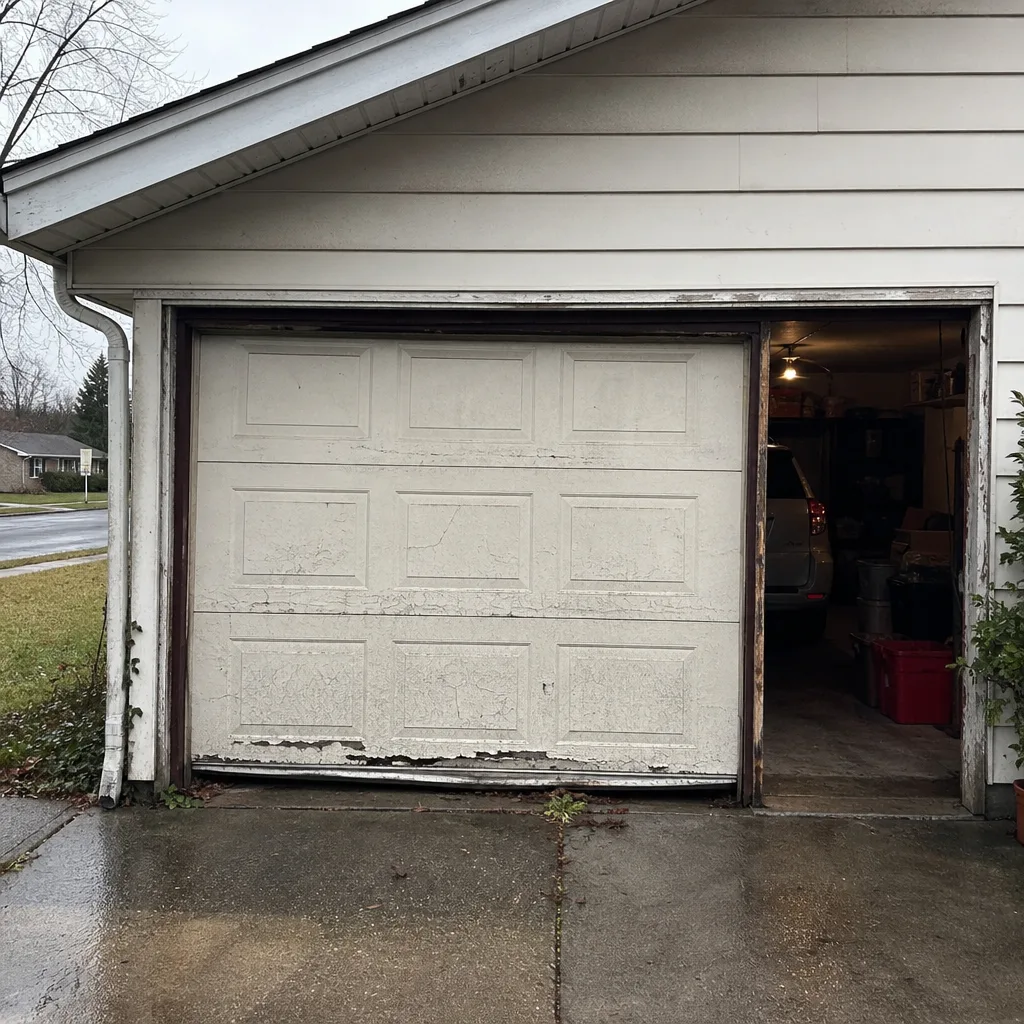 Before
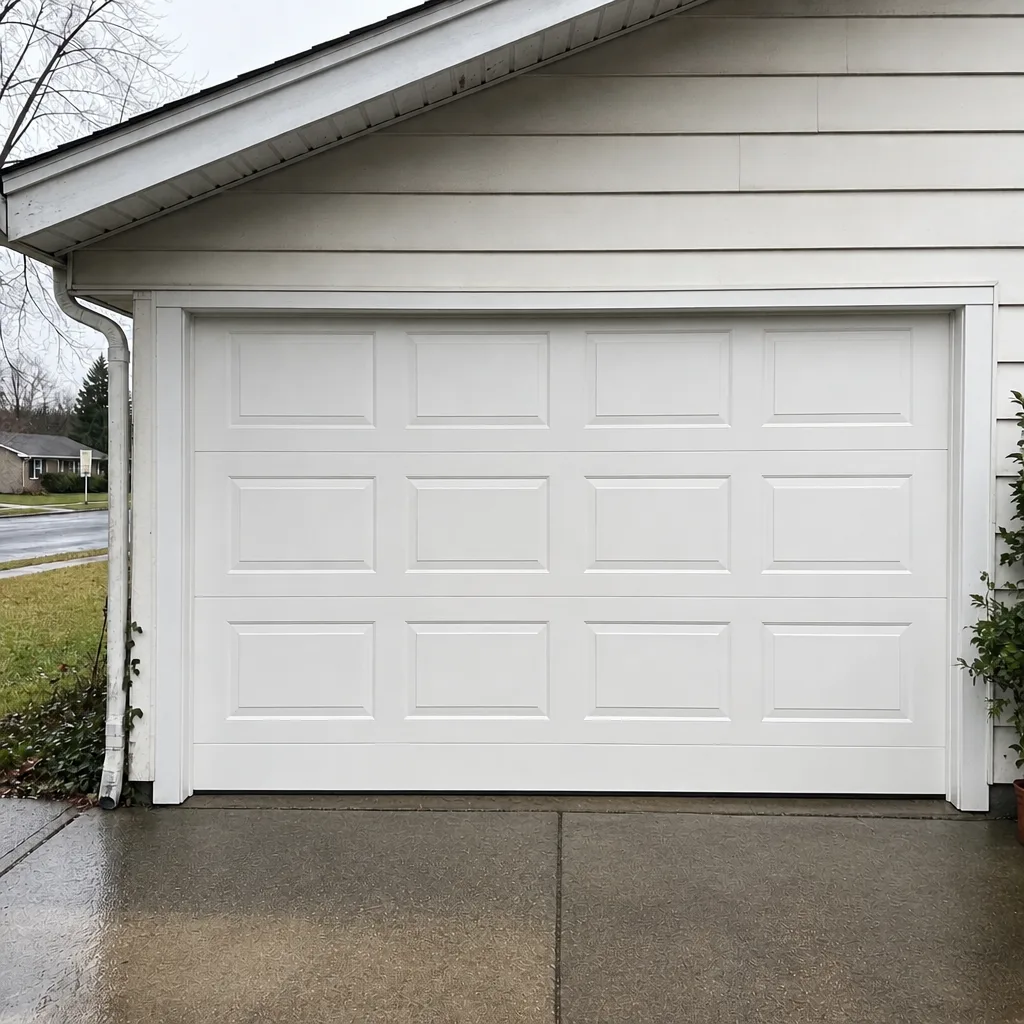 After
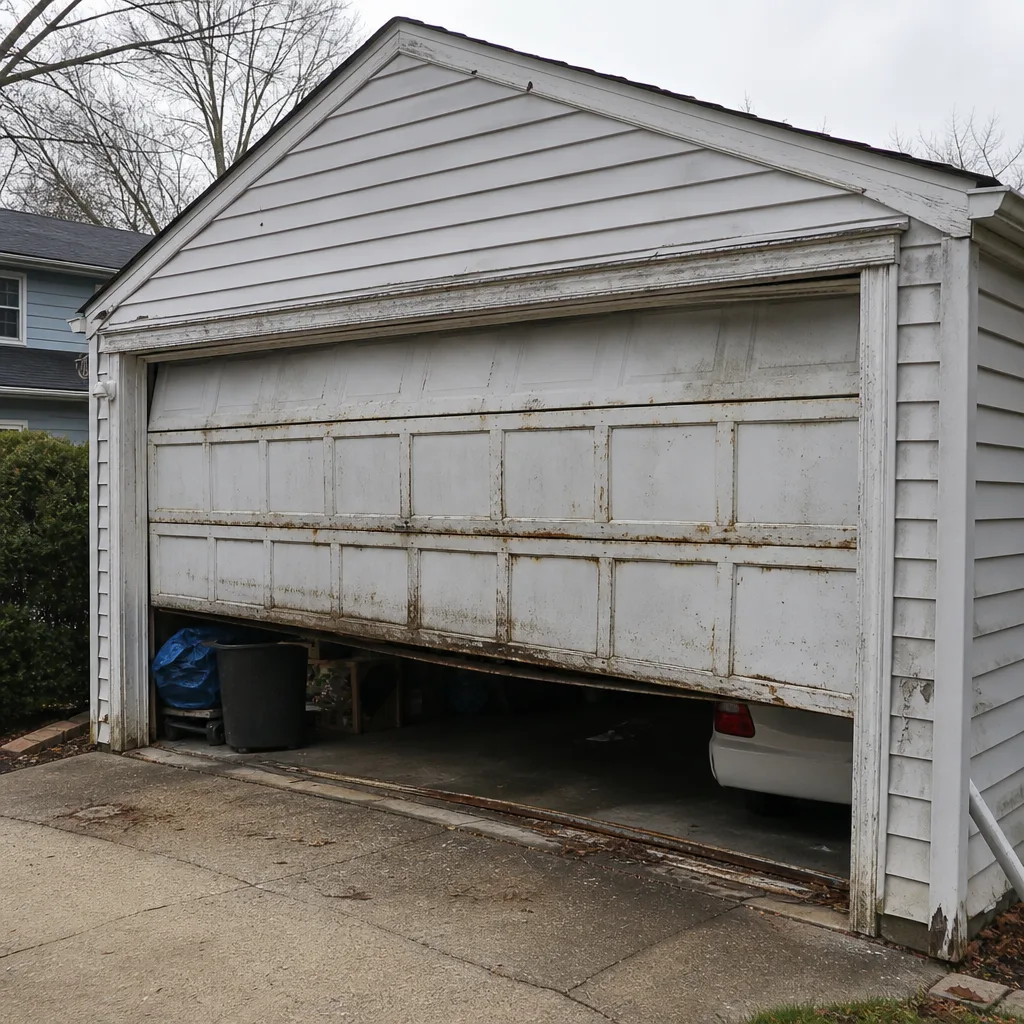 Before
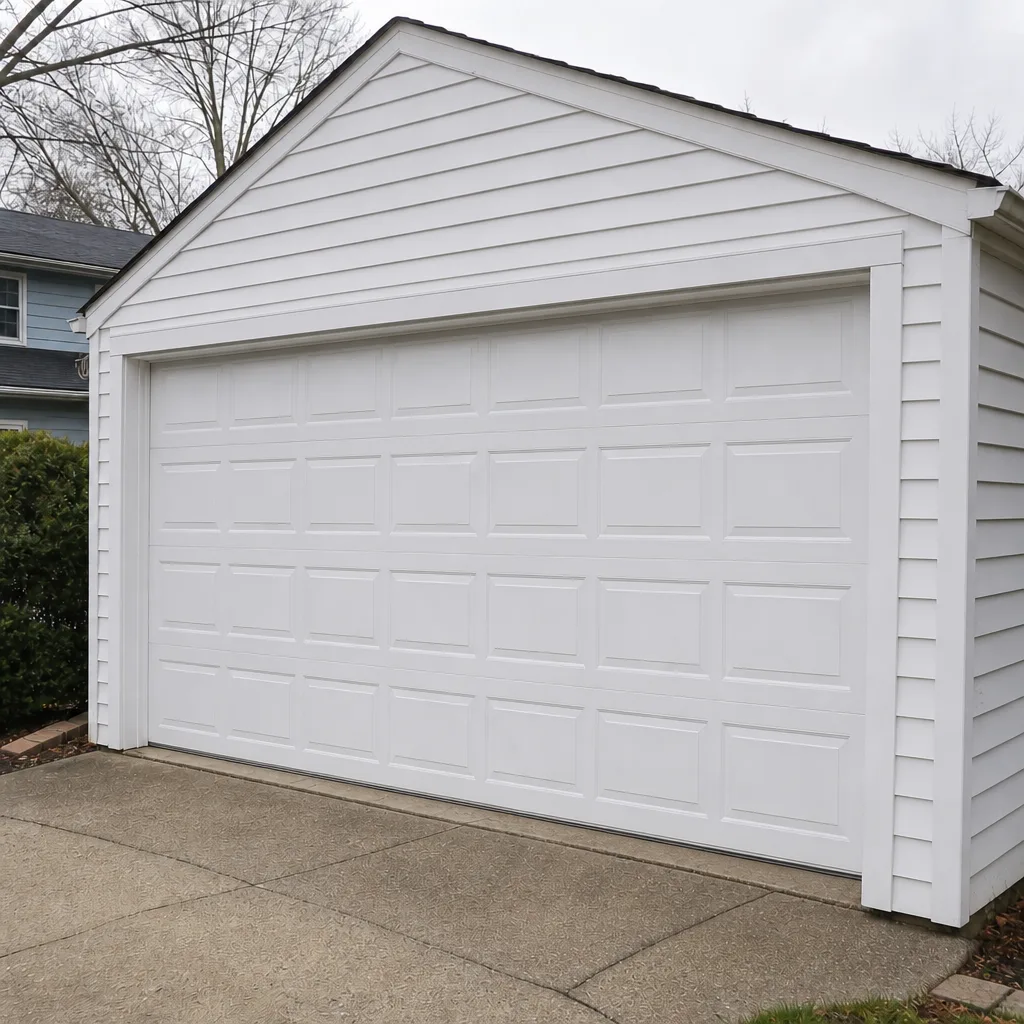 After
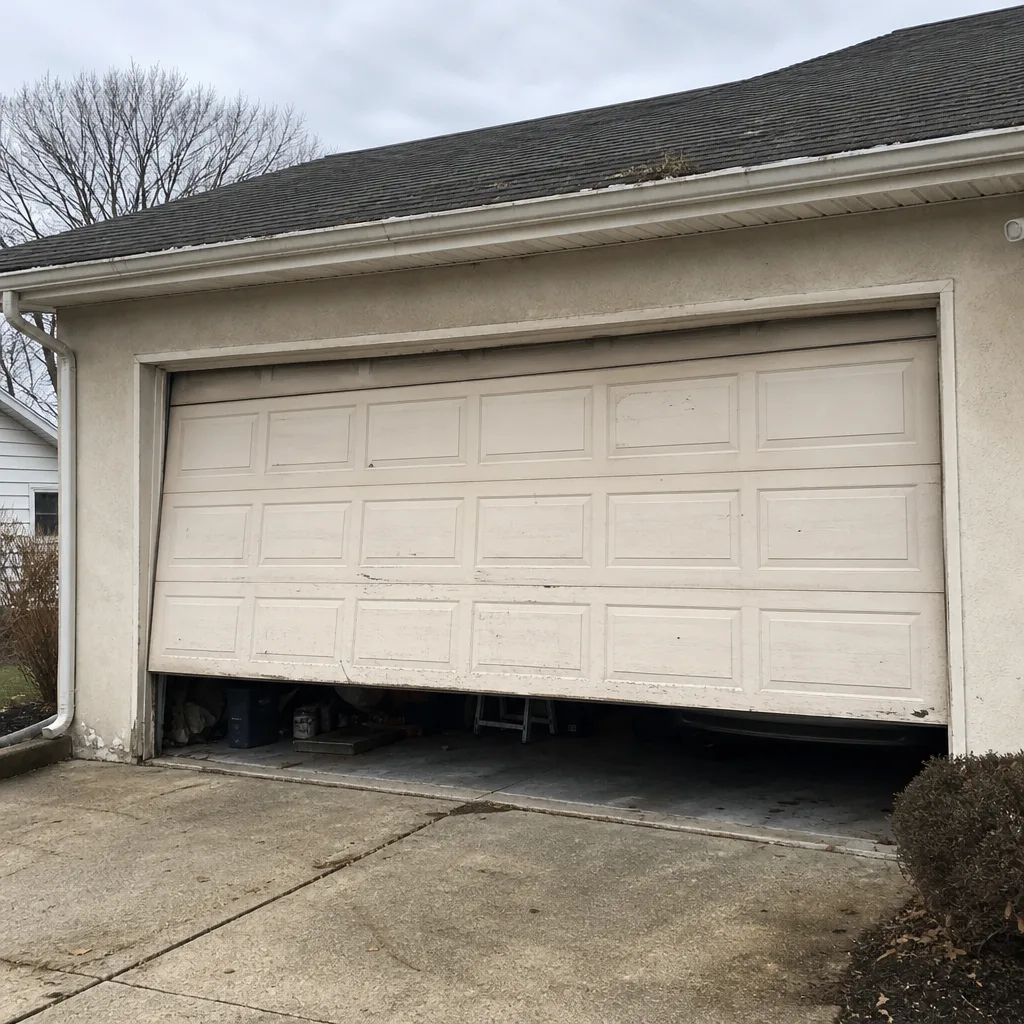 Before
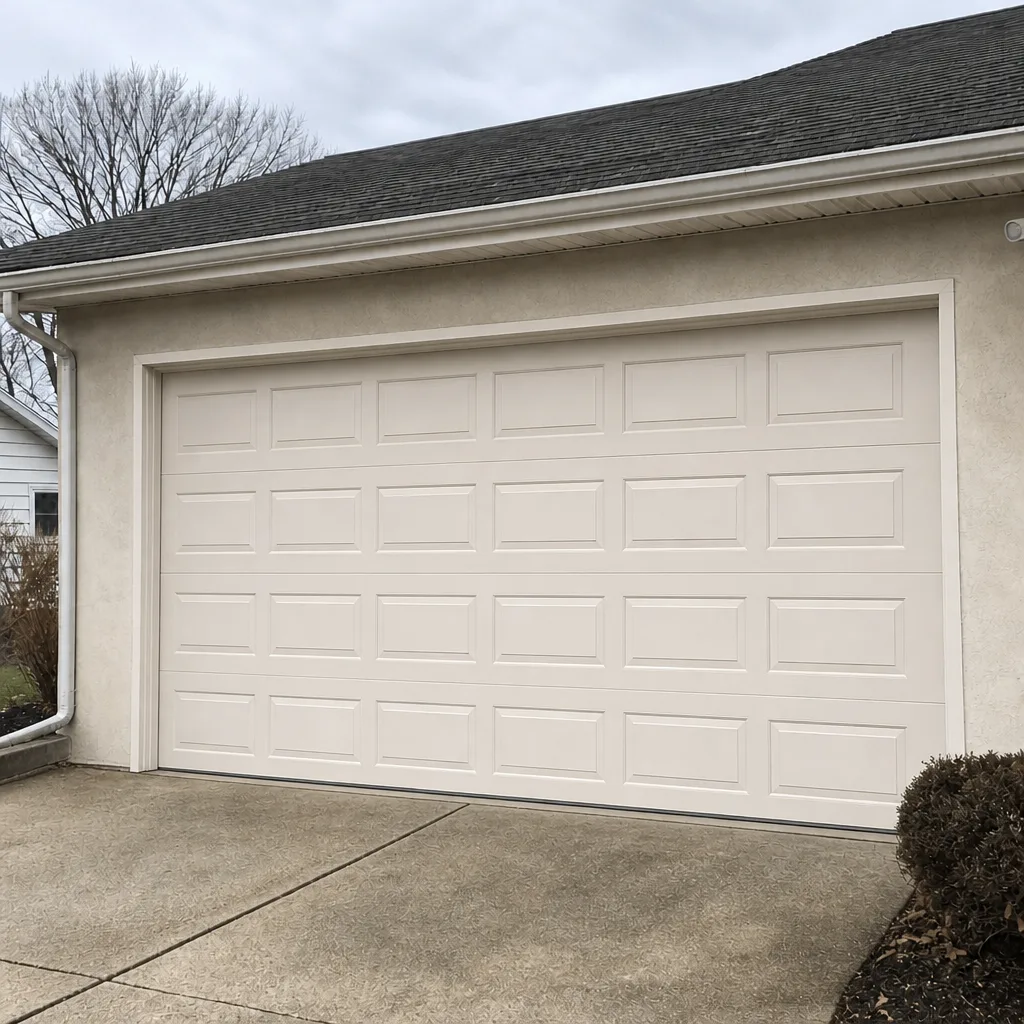 After
When to Call a Professional
Most seasonal checks are safe for a homeowner to do on the door itself: visual inspection of panels, seals, cables, and tracks, plus the balance test with the opener disconnected. Call a professional for anything involving springs, cables, or the opener’s internal settings, and for any symptom you can’t explain. If your door reverses or stalls, a spring makes a loud bang, the door binds halfway, or your post-storm check turns up a displaced cable, stop operating it and call. The same goes for a door that’s beyond repair; if a seasonal inspection shows a door that’s failing repeatedly, a replacement may make more sense than another repair. Garage Door Repair Vineland offers free estimates in Vineland and will quote the job before any work starts. Call (844) 443-4769. We answer 24/7, with fast dispatch from 7am to 7pm, Sunday through Friday. Our technicians have up to 11 years of experience and work on LiftMaster, Chamberlain, Genie, Clopay, Amarr, Wayne Dalton, Craftsman, and Raynor systems.
Frequently Asked Questions
Early spring, especially March and April. Thawing ground shifts frames, winter salt cracks the bottom seal, and weakened springs snap under the first warm-weather cycling. Winter cold is real, but the failures tend to show up once the thaw starts, which is why maintenance should happen in March, not February. Call (844) 443-4769 for a seasonal inspection.
Once a year is the minimum, and in Vineland the best time is October, before the cold. Use a cold-rated garage door lubricant on the rollers, hinges, springs, and bearing plates, and leave the tracks dry. If your door runs heavily or sits near a humid area, a second look in late spring doesn’t hurt. A technician can lubricate the system and check for wear in one visit.
No, test it in November. A battery near the end of its life will pass a test in warm weather and fail on the first cold morning, which is exactly when you don’t want to find out. A LiftMaster or Chamberlain unit with battery backup should be tested before the cold sets in, and the battery replaced if it doesn’t hold. Call (844) 443-4769 if you want a technician to check the opener and its backup.
Humidity. Vineland’s summer air above 70% humidity softens nylon rollers and swells wooden door sections, and the door binds in the track. Grinding or squealing is the usual early sign, and the fix is usually roller replacement plus an adjustment. If your door sticks through the humid months, call (844) 443-4769 to have the rollers and door checked.
Look at the cables first, then the panels and tracks. High wind can partially lift an older door and displace a cable, and operating the door in that condition can cause it to drop. If a cable looks slack or off its drum, keep the door closed and call. We offer emergency service for doors that won’t open, and price is quoted before any work starts. Call (844) 443-4769.
No. Torsion springs and the cables under them are under extreme tension, and releasing one without the right tools can cause serious injury. This is the highest-risk job in the trade, and it belongs to a trained technician. Our garage door spring repair service handles broken springs and balance problems, and we quote the price before any work begins.
The Bottom Line
Vineland’s weather doesn’t follow the usual garage door calendar. March and April are the danger months, not January; summer humidity is the slow-burn problem that wears rollers and swells wood; and October is the month that determines how your door behaves in the cold. Check the frame, seal, rollers, and balance in the spring, manage humidity in the summer, lubricate with a cold-rated product in the fall, and test the battery backup in November. Do the storm check after a nor’easter and call on anything involving springs, cables, or an opener that no longer works right. A few minutes of seasonal attention in Vineland keeps the door moving safely all year. When you need a specialist, call (844) 443-4769 for a free estimate.
Written by the team at Garage Door Repair Vineland.