
Last updated November 23, 2026
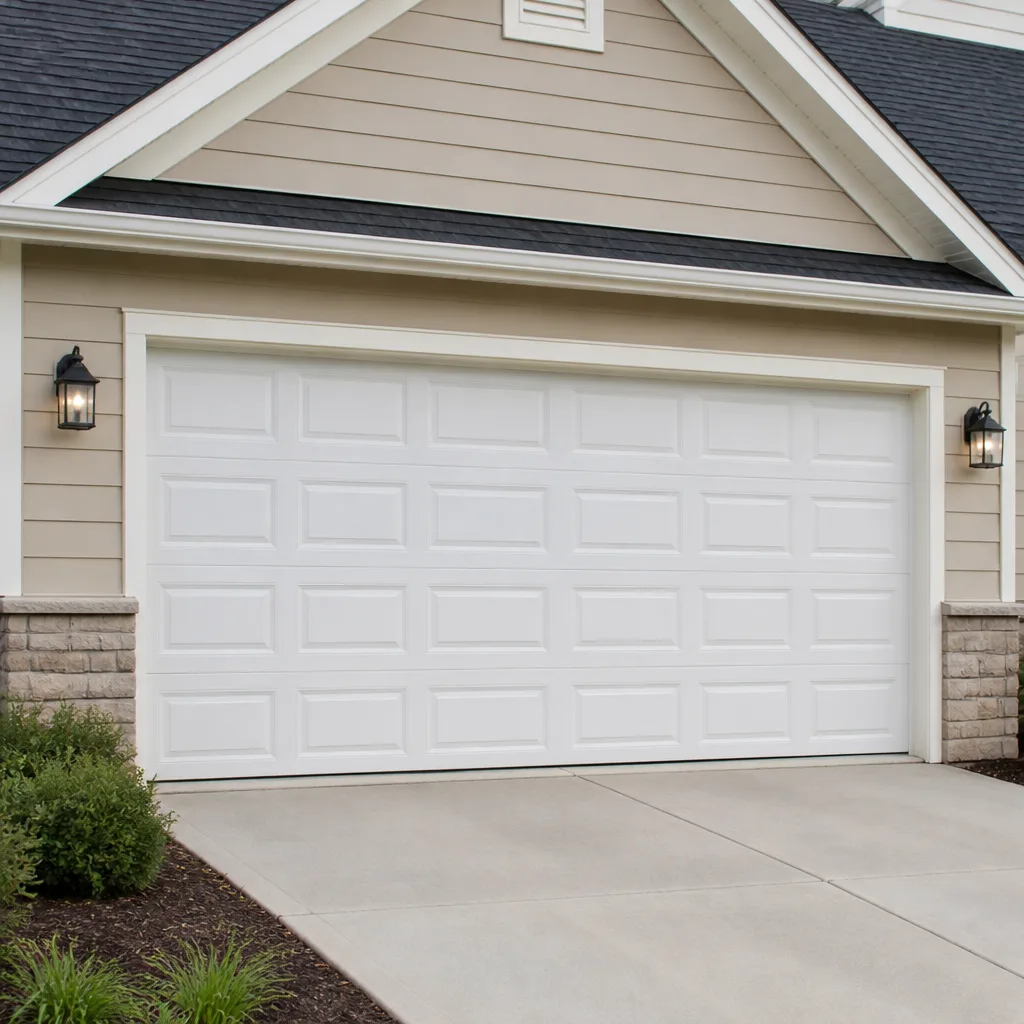 Raised-panel steel
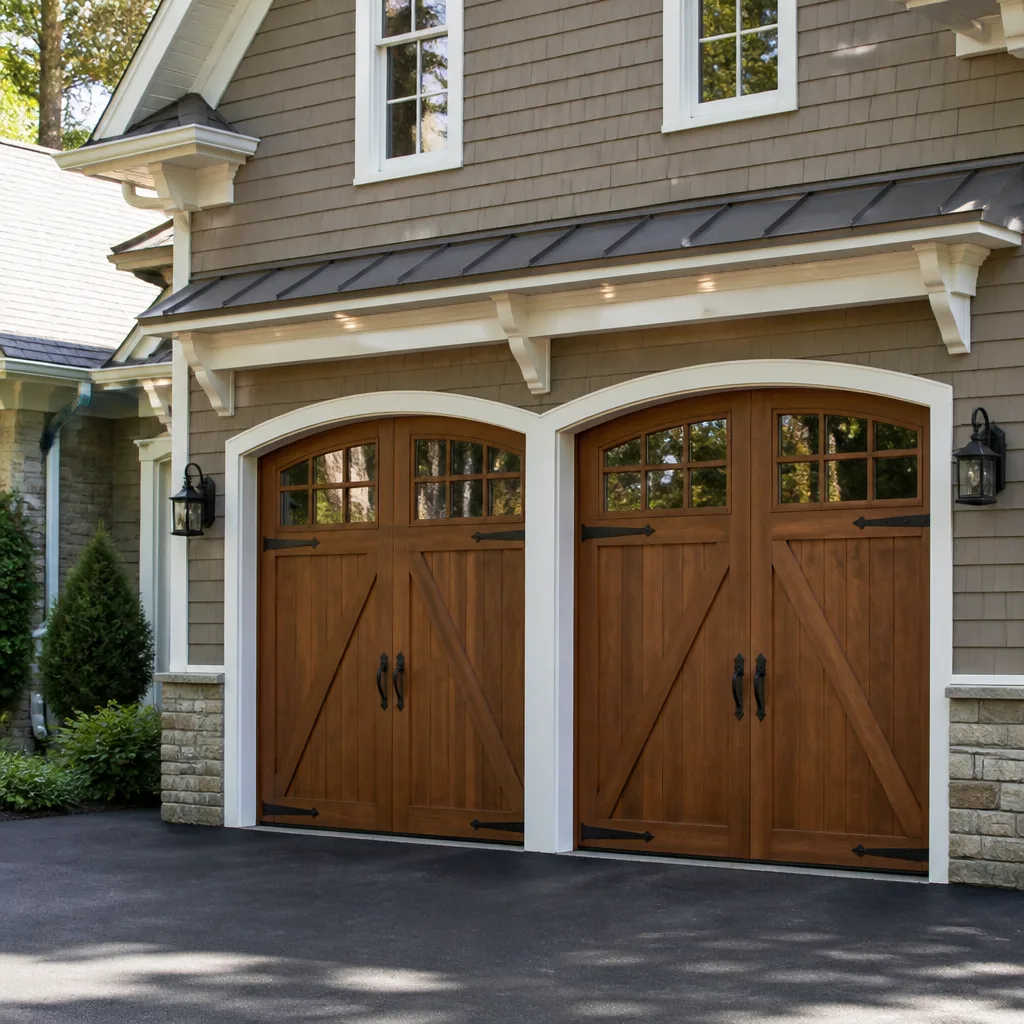 Carriage house
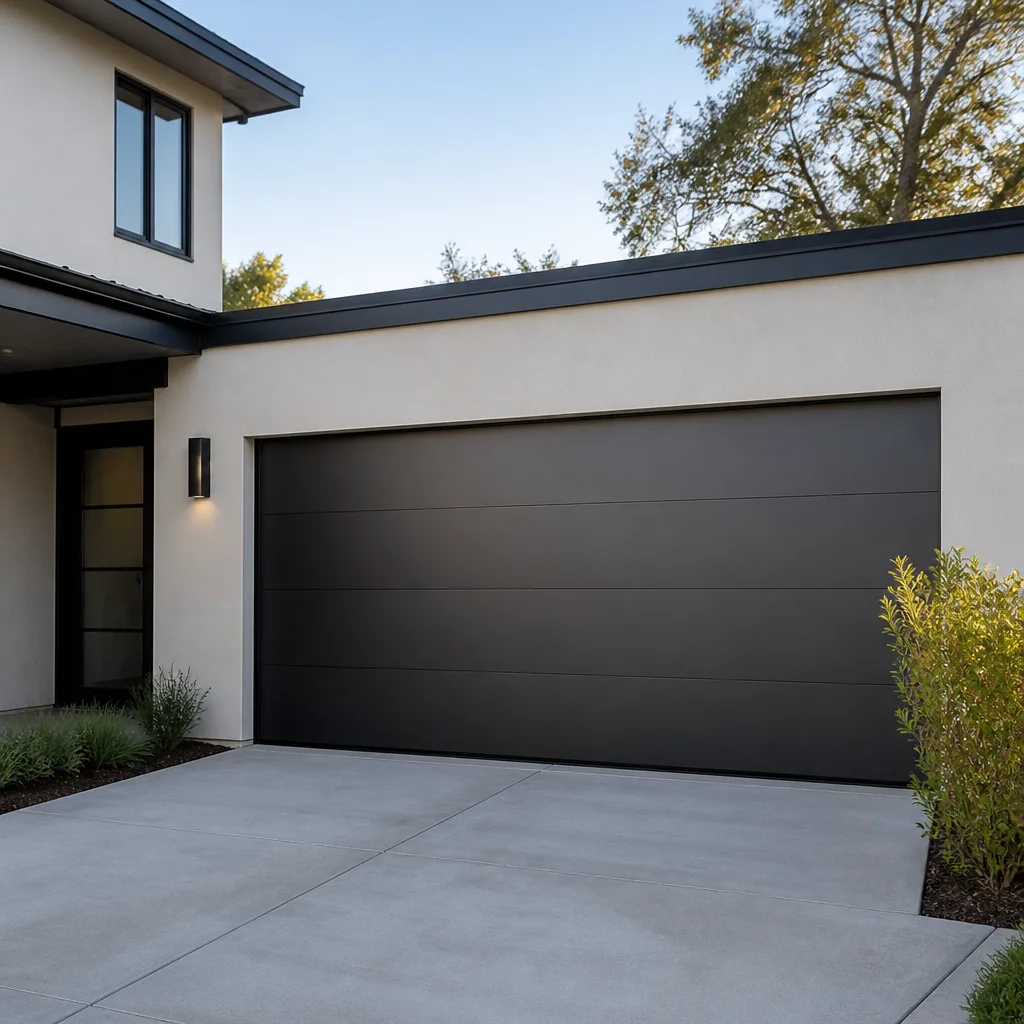 Modern flush
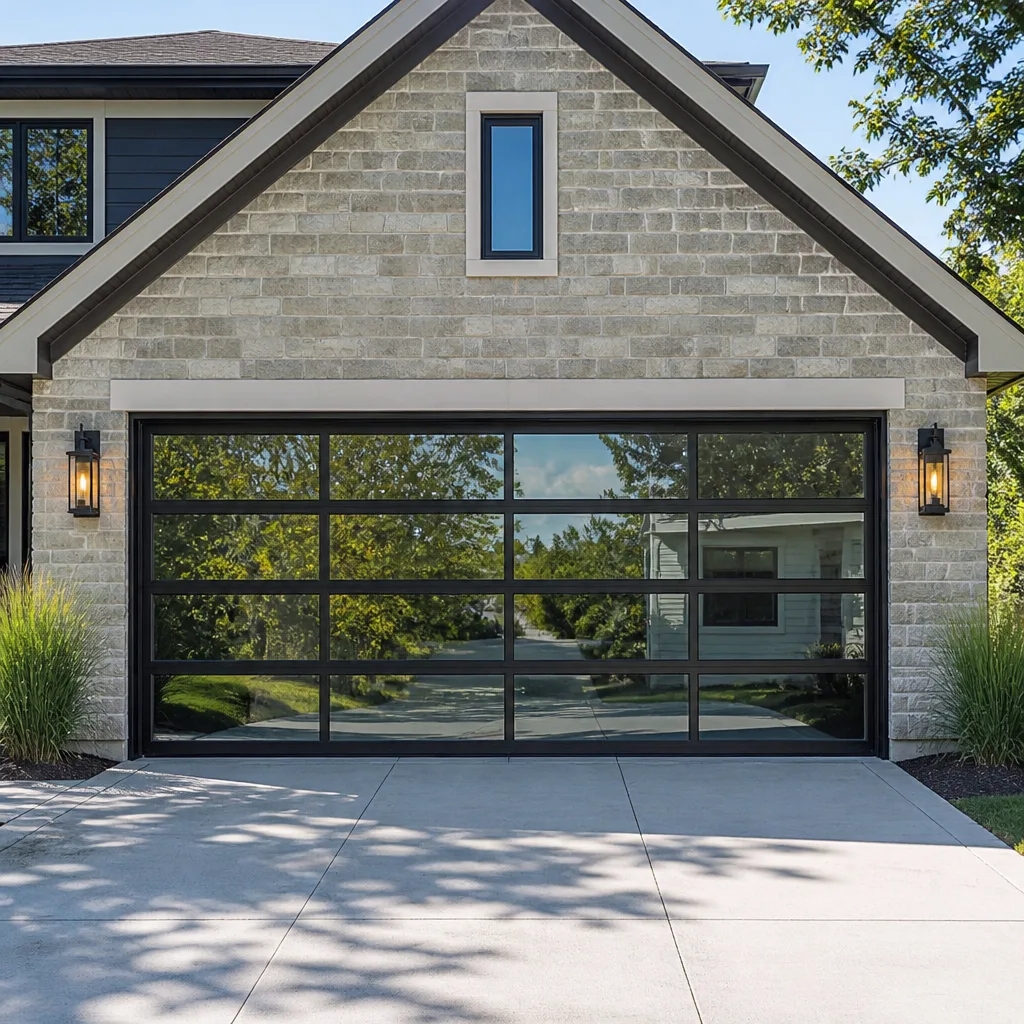 Full-view glass
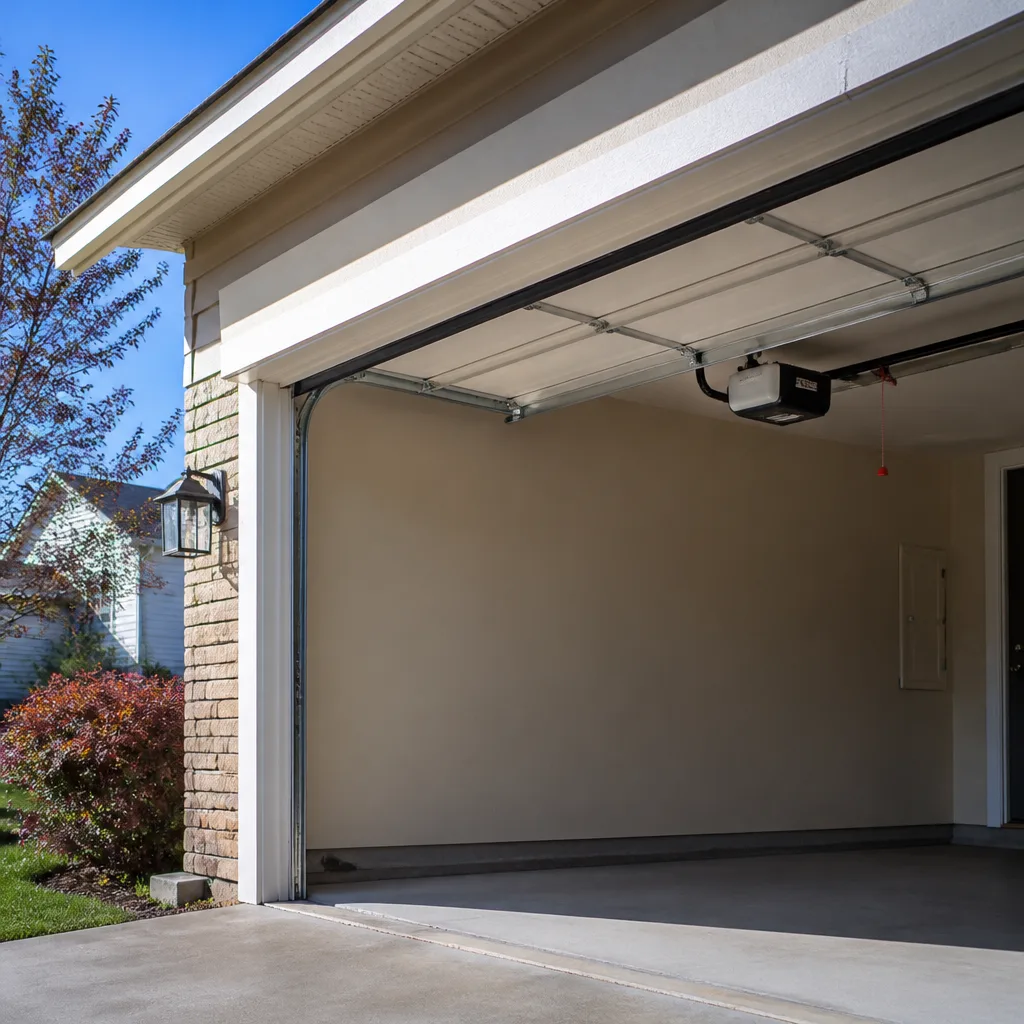 LiftMaster openers
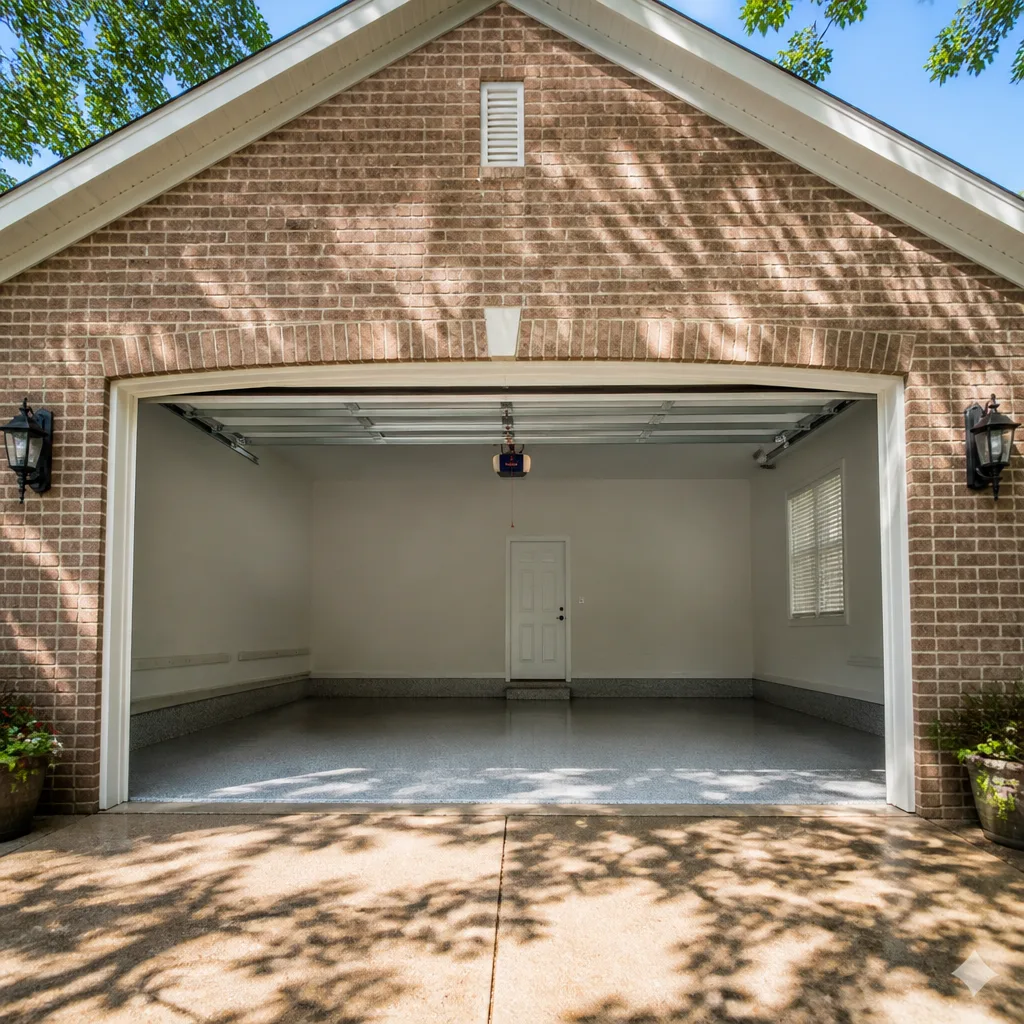 Chamberlain openers
Full 25-point door and opener safety check with every visit - springs, cables, rollers, tracks, and your LiftMaster or Chamberlain opener included
You get a price before we start. It does not change when the pro arrives.
Get your free estimateHow to Hire a Garage Door Contractor in Vineland: A Step-by-Step Guide
Any handyman with a truck can swap a panel or hang an opener. The failures that cost homeowners real money are quieter than that. Mismatched torsion spring wire diameter is a failure that shows up on the second cycle, not the first, and by then you’re already arguing over a callback with someone who has moved on to the next job. Hiring well in Vineland comes down to vetting technical depth instead of vetting price. This guide shows you the exact questions to ask, how to verify a New Jersey contractor’s registration in two minutes, and how to read two quotes side by side so you’re comparing the same job.
Quick Answer
To hire a garage door contractor in Vineland, verify the contractor’s New Jersey Home Improvement Contractor registration on the NJDCA website, ask three technical questions about your specific door and spring setup, and require two written warranties before work starts – one on parts and labor from the contractor, one from the parts manufacturer. A specialist answers those questions without hesitating. A generalist goes quiet or guesses.
Styles & brands we work with
- Raised-panel steel
- Carriage house
- Modern flush
- Full-view glass
- LiftMaster openers
- Chamberlain openers
Table of Contents
- The Three Technical Questions That Separate Specialists From Generalists
- Why NJ HIC Registration Is Non-Negotiable (And How to Check It in Two Minutes)
- The Two Warranties You Need in Writing Before Work Starts
- Red Flags Specific to Garage Door Work
- How to Compare Quotes When One Says “Standard Spring” and the Other Lists a Wire Diameter
- Why Brand Fluency and Ceiling Height Matter More Than You’d Think
- Hiring Under Pressure: What to Do When the Door Won’t Close Tonight
- What’s Different About Hiring in Vineland
The Three Technical Questions That Separate Specialists From Generalists
Before anyone quotes you a number, ask these three questions. You don’t need to know the answers yourself. You need to hear whether the person on the other end of the phone does.
- “What’s the wire diameter and IPPT on my existing spring setup?” IPPT stands for inches per turn – it describes how far the spring lifts the door for each full turn applied. A real garage door technician either reads it off the spring tag or measures the wire with a caliper and matches it to the door weight. A generalist will say “standard spring” and move on.
- “What brand and model of parts will you install, and why that one?” If the answer is vague, that’s your answer. A specialist works in specific names – a LiftMaster opener, a Clopay panel, a Wayne Dalton torch, a particular torsion spring from a particular supplier. Fluency in names is a proxy for fluency in the machine.
- “What’s the cycle rating on the spring you’re quoting?” Springs are rated in cycles – the number of open-and-close movements before failure. A cheap spring with a low cycle rating costs less today and fails sooner. A contractor who quotes springs without ever mentioning cycle rating is quoting a part, not a repair.
Listen for how the questions land. A specialist will often ask you a follow-up – about the door’s weight, the panel count, whether there’s a safety cable on the old spring – before quoting. A generalist will give you a price and a date.
What a correct answer sounds like
You’re looking for specificity and a phrase like “I’d need to look at it.” Nobody quotes a spring accurately over the phone, and a good contractor says so. The answer you want sounds closer to: “Based on the door size you described, that’s probably a 2-inch inside diameter spring with a specific wire gauge, but I’ll measure the wire before I quote you the replacement.” That’s not hedging – that’s somebody who knows that guessing a spring size is how doors break. If someone offers you a firm spring price over the phone without measuring, that’s a red flag, not a bargain.
Why NJ HIC Registration Is Non-Negotiable (And How to Check It in Two Minutes)
New Jersey requires home improvement contractors to hold a Home Improvement Contractor (HIC) registration issued by the New Jersey Division of Consumer Affairs, and the state maintains a public database of every registered contractor. Ask for the registration number before you agree to anything, then verify it yourself. Don’t take a business card as proof.
- Go to the New Jersey Division of Consumer Affairs website and find the Home Improvement Contractor lookup page.
- Search by the contractor’s business name or registration number. Use the number they gave you, not just the name.
- Confirm the registration is active, the business name matches the name on the quote, and the listed business address is real.
- Check for any disciplinary actions or complaints appearing in the record.
The whole process takes under two minutes, and it protects you from the biggest, quietest risk in this trade: the uninsured operator who damages your door, your car, or your property and then disappears. A registered contractor has a legal footprint in New Jersey. An unregistered one doesn’t.
Why this matters more for garage doors than for other trades
Garage door work involves high-tension springs, torsion bars, and cable tension that can cause serious injury when handled wrong. In New Jersey, a general handyman who doesn’t hold an HIC registration isn’t legally doing the work. This isn’t paperwork for its own sake. When a spring lets go during installation and someone gets hurt, the registration is what determines who’s responsible and whether there’s coverage for the damage. It’s the first question, not the last.
The Two Warranties You Need in Writing Before Work Starts
Most homeowners focus on price and forget the warranty conversation entirely. Then six months later, when the opener starts binding or the spring loses tension, they find out there’s nothing in writing. This is where a low quote gets expensive.
You need two warranties, and they’re different:
- The contractor’s parts-and-labor warranty. This covers the contractor’s own workmanship – installation, adjustment, and labor if the part fails or the door doesn’t operate correctly. Terms vary, so ask how long it runs and what voids it. Get it in writing before work starts.
- The manufacturer’s warranty. This is issued by the parts manufacturer – LiftMaster, Clopay, Amarr, Chamberlain, Genie, Craftsman, Raynor, Wayne Dalton and others each publish their own warranty terms for openers and doors. Ask for the manufacturer documentation that comes with the parts installed at your home.
Why you need both: a manufacturer warranty typically covers a replacement part but not the labor to install it. If only the manufacturer warranty is honored, you can end up paying twice for a part that shouldn’t have failed. And a labor warranty with no manufacturer coverage behind it means the contractor eats the cost – which is fine if they’re still in business, and worthless if they aren’t.
Ask this directly: “What’s your labor warranty, what’s the manufacturer warranty on the parts you’re installing, and can I have both in writing before you start?” A specialist answers without flinching. A generalist gets defensive.
The Q&A that resolves the second fear
Right behind “what’s this going to cost” comes “is this going to cost more once you see it.” Ask the contractor to state, in the written estimate, that the price is quoted and agreed before any work begins. If a surprise turns up – a bent track, a broken bottom bracket, a door out of balance – the contractor stops, shows you, and gives you a revised written price before touching anything. That’s the standard. Hold them to it.
Red Flags Specific to Garage Door Work
Garage door work has its own set of tells, and they show up before the tech arrives. Watch for these:
- Quoting a spring without measuring the existing setup. Springs come in specific wire diameters matched to door weight. A quote given over the phone without a measurement is a guess, and a wrong-size spring fails early. Ask how they’ll match the part, and listen for how they plan to measure.
- Can’t name the brands of parts they carry. A specialist works with LiftMaster, Chamberlain, Genie, Clopay, Amarr, Wayne Dalton, Craftsman, and Raynor systems specifically. If the contractor can’t name the opener or door brands they service without looking it up, that’s your signal.
- Can’t explain ceiling height and opener model fit. Opener models are matched to ceiling height, door weight, and travel requirements. A LiftMaster model that fits a low-clearance ceiling won’t match a taller one, and installing the wrong model stresses the door. A contractor who can’t explain this is installing what’s on the truck, not what your door needs.
- Won’t put the price or warranty in writing. The quote should be written, itemized by part and labor, and signed. A verbal estimate over the phone is not a quote.
- No HIC registration number. Business cards and phone numbers aren’t proof. Verify the registration on the state’s website.
- Can’t explain the difference between repair and replacement. A good contractor will tell you when a door is worth repairing and when it isn’t. A generalist tells you what you want to hear.
- Quotes one price for a “spring replacement” without distinguishing one spring from a matched pair. Torsion springs are usually replaced in matched pairs. A quote that doesn’t specify “one spring” or “two springs” is going to mean something different at invoice time.
How to Compare Quotes When One Says “Standard Spring” and the Other Lists a Wire Diameter
Two quotes with very different totals aren’t necessarily comparing the same job. One contractor lists “spring replacement: $X.” Another lists “matched pair of torsion springs, wire diameter Y, cycle rating Z, plus labor.” One of those is a part number. The other is a repair. Here’s the translation.
- “Standard spring” means nothing specific. It usually indicates a low-cost universal spring. Ask what the wire diameter and inside diameter are, and what the cycle rating is.
- “Wire diameter + inside diameter + length” is specific. These three numbers define the spring’s strength and fit. Ask whether they measured the existing spring to arrive at these numbers.
- “Cycle rating” tells you how long the spring lasts. A higher cycle rating costs more up front and lasts longer. If a quote omits cycle rating, ask what it is and why they chose it.
- “One spring” vs. “matched pair” is the biggest source of apples-to-oranges confusion. Torsion springs are usually replaced in matched pairs. If one quote is for a single spring and one is for a pair, the price difference isn’t’ a pricing difference – it’s a scope difference.
- Labor treated as a line item lets you see what the contractor is actually charging for the work versus the parts. If labor is bundled invisibly into a parts price, you can’t compare bids meaningfully.
- Warranty terms spelled out separately – labor warranty and manufacturer warranty on two separate lines – is the mark of a contractor who expects the repair to last.
Ask every contractor to quote the same scope and break out parts and labor in writing. When both quotes are broken down the same way, the comparison becomes honest.
A note on spring pricing
Spring pricing is driven by the specific part – wire diameter, cycle rating, whether it’s a single spring or a matched pair – not by a flat “spring” fee. When you ask for a quote on garage door spring repair, the estimate should reflect the part being installed and the labor to install it safely, not a bundled number. Ask to see those two elements separated in the written estimate, and ask what happens if the measured spring turns out to be a different size than quoted. A specialist will tell you that the price is quoted and agreed before work begins, and stays where it is.
Why Brand Fluency and Ceiling Height Matter More Than You’d Think
A garage door system has to fit three things: the door, the opening, and the ceiling above it. That last one catches homeowners out more often than any other single detail. Openers are designed for a range of ceiling heights and clearances, and an opener that fits a standard garage in Vineland won’t fit a garage with a low-clearance ceiling or a storage rack overhead.
Ask your contractor to explain, before installation, why a specific opener model fits your ceiling height and door weight. If they can name the model – a LiftMaster, a Chamberlain, a Genie – and explain the clearance requirement, you’re talking to a specialist. If they say “we’ll figure it out,” you’re going to end up with an opener that binds, a door that doesn’t open fully, and a limiter setting that never gets adjusted correctly.
Travel limits are the other quiet failure. Every opener has travel limit settings that tell it where to stop on the open and close cycle. A generalist often installs the opener without fully adjusting those limits, and the door starts to reverse partway up or slam at the bottom. The door still works, in a sense. It just doesn’t work correctly, and it will wear itself out faster because of it.
The same logic applies to panels and doors. Clopay, Amarr, Wayne Dalton and Craftsman all make quality products, but they don’t share mounting patterns, spring anchor points, or panel profiles. A contractor who knows the specific brand will have the right hinges, brackets, and reinforcement on hand. One who doesn’t will improvise. Ask your contractor to tell you, in plain language, which brand of door or opener they’re recommending and why. Specific answers build confidence. Vague answers don’t.
Hiring Under Pressure: What to Do When the Door Won’t Close Tonight
A broken garage door is a different problem at 9 p.m. than it is at 9 a.m. If the door won’t come down, your house is open. If it won’t go up, your car is trapped. Both are situations where you’re tempted to skip the vetting. Don’t skip all of it – but you can compress it.
The two-minute version of the vetting checklist:
- Ask for the HIC registration number on the first call. Verify it once the door is secure, not before.
- Ask the technician what brand of door and opener you have. If they need to “look it up” for a common brand, that tells you something.
- Ask for the price in writing before work starts, even if the written estimate is a text message.
What you should not do under pressure: agree to a verbal price, let anyone start work without confirming the price, or trust a stranger who arrives unsolicited and tells you your spring is broken. For urgent situations, we offer emergency garage door service as a core offering, not an upsell. Call (844) 443-4769. We answer 24/7. Fast dispatch from 7am to 7pm, Sunday through Friday. If it’s outside dispatch hours, a call is booked into the next opening, Sunday through Friday, 7am to 7pm.
For non-emergency repair work, same-day service is often available. The point is to call a specialist and know what happens next, rather than let the door sit broken overnight waiting for a generalist to call back.
What’s Different About Hiring in Vineland
Vineland sits in Cumberland County, and the housing stock here varies widely – older homes with original single-car garages alongside newer construction with two-car setups and modern openers. That range matters when you hire, because a door from one era and a door from another have different spring systems, different panel profiles, and different opener clearance requirements. A contractor who has worked across Vineland’s housing types will typically recognize the differences faster than someone driving in from an unfamiliar area.
The other Vineland-specific consideration is temperature. New Jersey’s seasonal swings – hot, humid summers and cold winters – work the door’s mechanical parts through a full expansion and contraction cycle every year. Metal springs and torsion bars take that load in a way that milder climates don’t demand. A spring that’s technically within spec can still fail early if it’s installed with the wrong tension or a part rated below what the door weight demands. This is why the cycle rating question matters so much here: the door is doing more work over the course of a year in Vineland than it would in a place with a flatter climate.
One more thing: garage door work in Vineland often reveals a second problem. A homeowner calls about a broken spring and the technician finds the opener is on its last legs, or a panel is cracked. That’s why the full service range – repair, opener repair, spring repair, and new installation – should come from one specialist. You shouldn’t need to hire a second company when the first repair reveals the door is past saving.
How our specialist positioning fits this
We’re garage door specialists. Not a handyman service, not a general contractor, not a multi-trade home-service company. Every technician we connect you with works exclusively on garage door repair and related systems, which means they’re not splitting their attention between a plumbing job and a torsion spring job. Our technicians have up to 11 years of experience. We work on LiftMaster, Chamberlain, Genie, Clopay, Amarr, Wayne Dalton, Craftsman, and Raynor systems – the brands that cover the vast majority of doors and openers a Vineland homeowner is likely to own. For opener-specific work, our garage door opener repair team handles travel limits, sensors, and motor issues on those same brands.
The safety caveat is worth stating plainly: torsion springs and cable systems are high-tension mechanical assemblies. If a spring is broken, don’t try to lift the door by hand or wind the spring yourself. Call a trained technician. The cost of a service call is trivially small next to the cost of a serious injury, and the work should be done by someone who has been trained on the specific wrench and safety practices that govern it.
Common Mistakes to Avoid
- Vetting price instead of technical depth. A $30 difference between two quotes is worth less than the difference between a contractor who measured your spring and one who didn’t. Ask about the part, not just the number.
- Skipping the HIC registration check. It takes two minutes on the state’s website. Skipping it means you have no verified recourse if something goes wrong.
- Settling for one warranty. Ask for both the contractor’s labor warranty and the manufacturer’s part warranty in writing before any work starts. A verbal warranty is not a warranty.
- Accepting a phone quote for a spring repair. Springs are measured, not guessed. A quote that doesn’t involve a measurement is an estimate of what the contractor hopes the job is.
- Comparing “standard spring” to “matched pair of torsion springs.” These are different scopes. Ask each contractor to quote the same scope in the same format so the comparison means something.
- Not asking about ceiling height and opener model fit. This is the most common installation failure in the trade, and it shows up as a door that reverses halfway up or slams at the bottom.
- Hiring a generalist because the door “just needs a quick fix.” A mismatched spring or a badly-adjusted opener doesn’t fail on the first cycle. It fails on the second, which is why the first impression is misleading.
See the difference
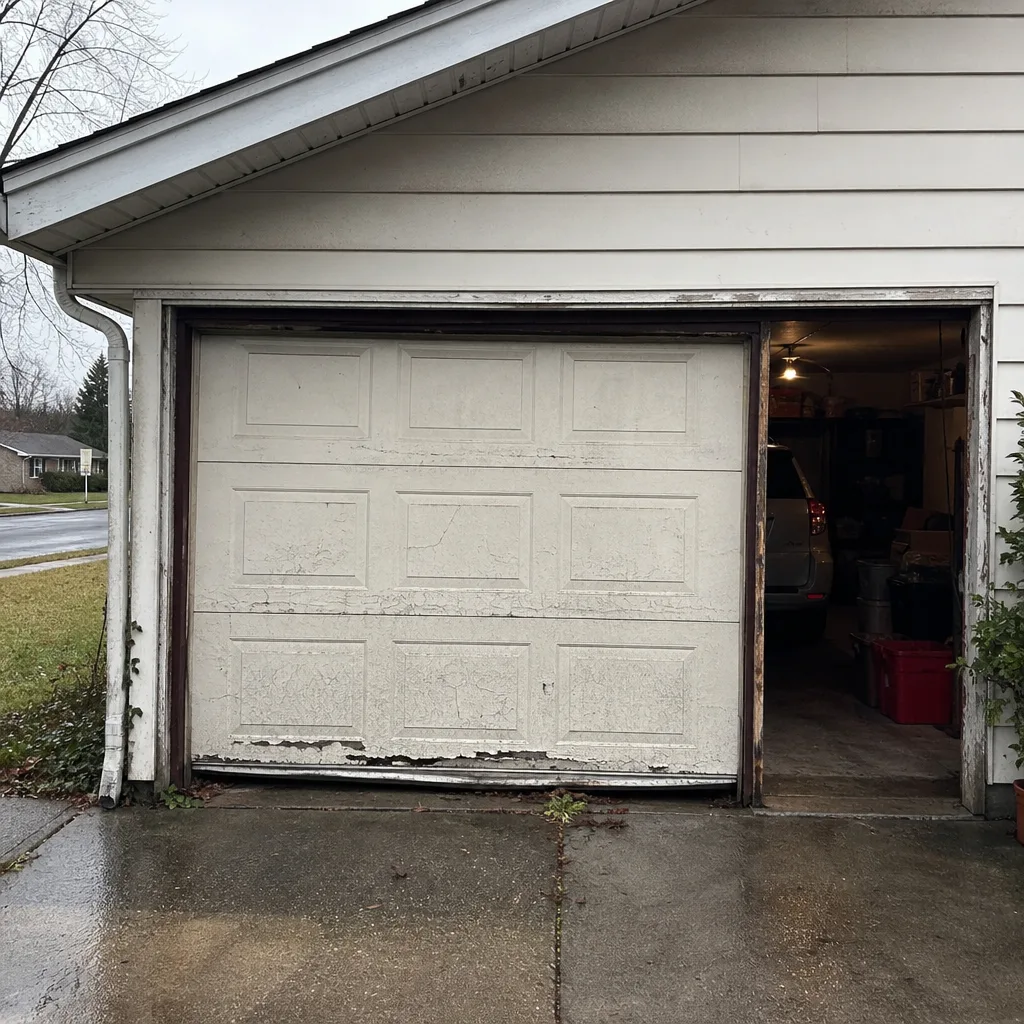 Before
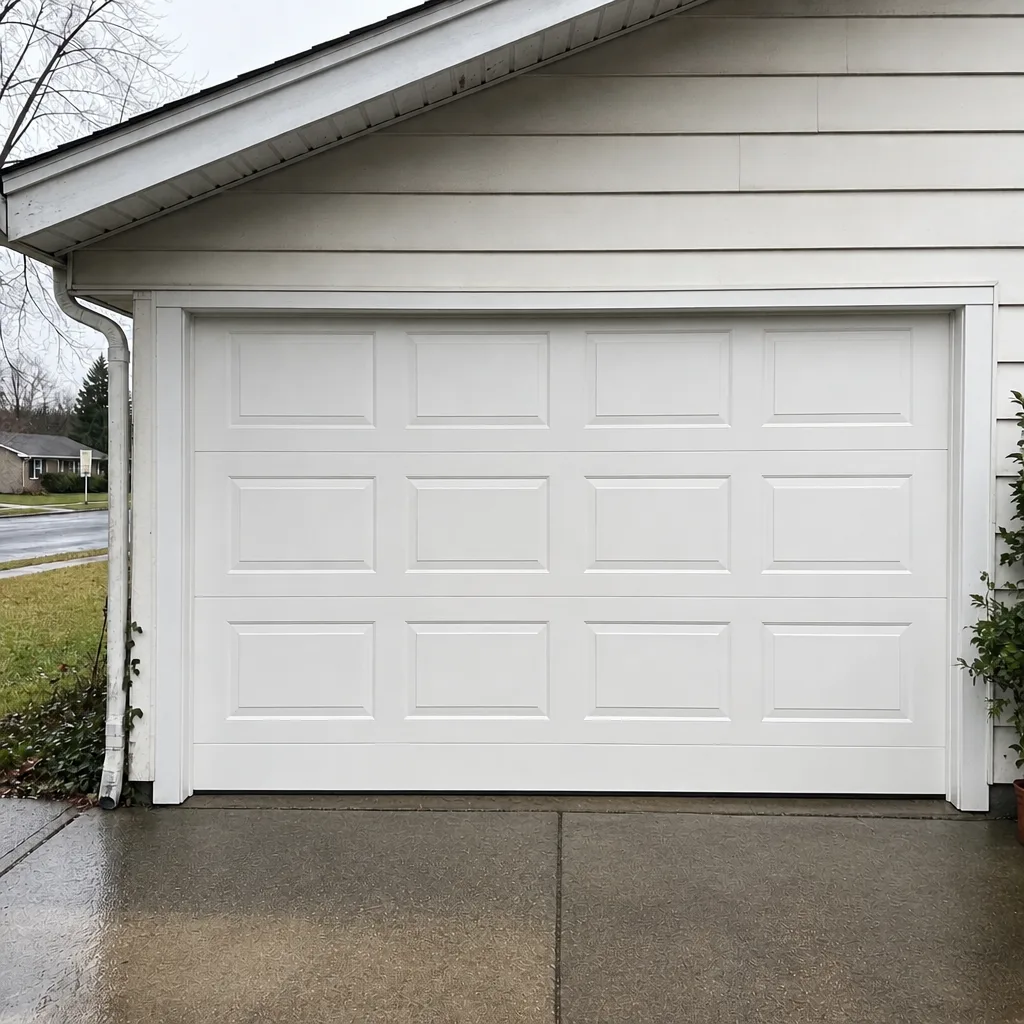 After
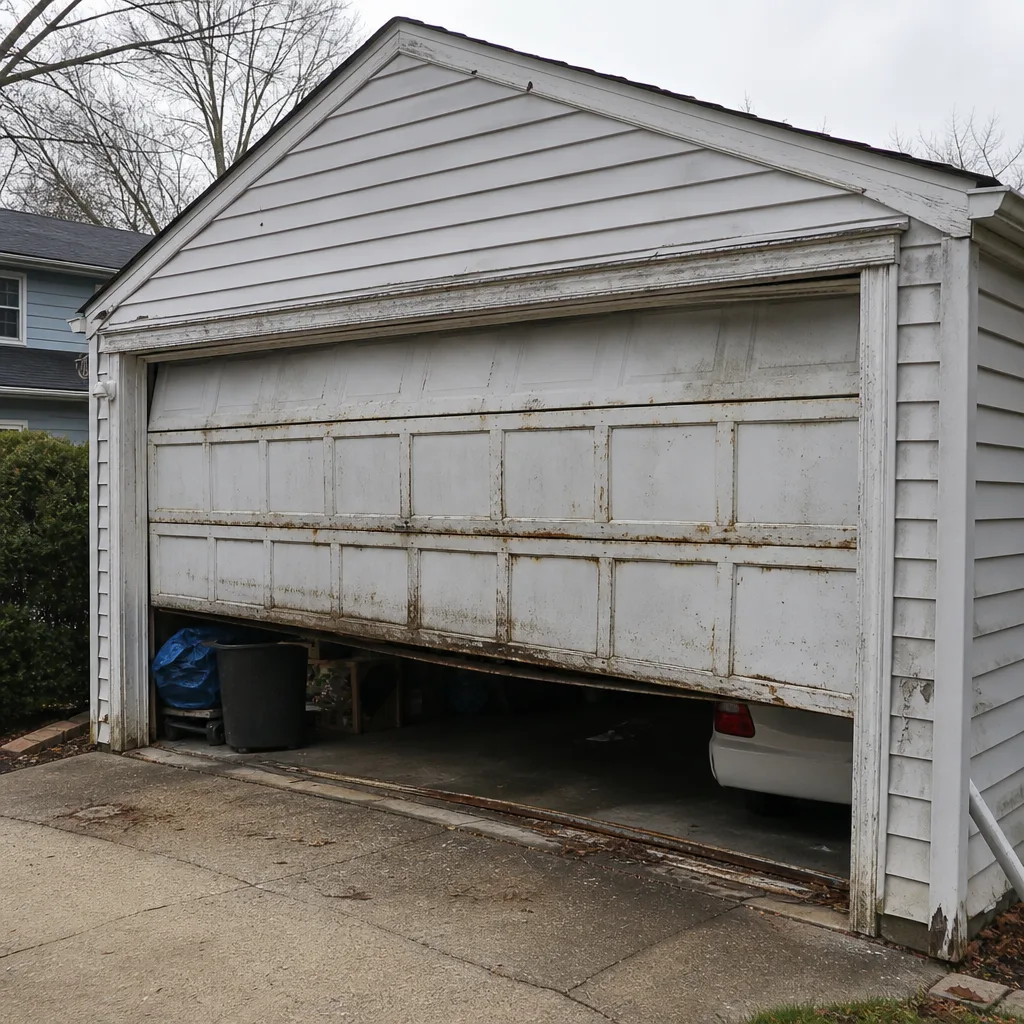 Before
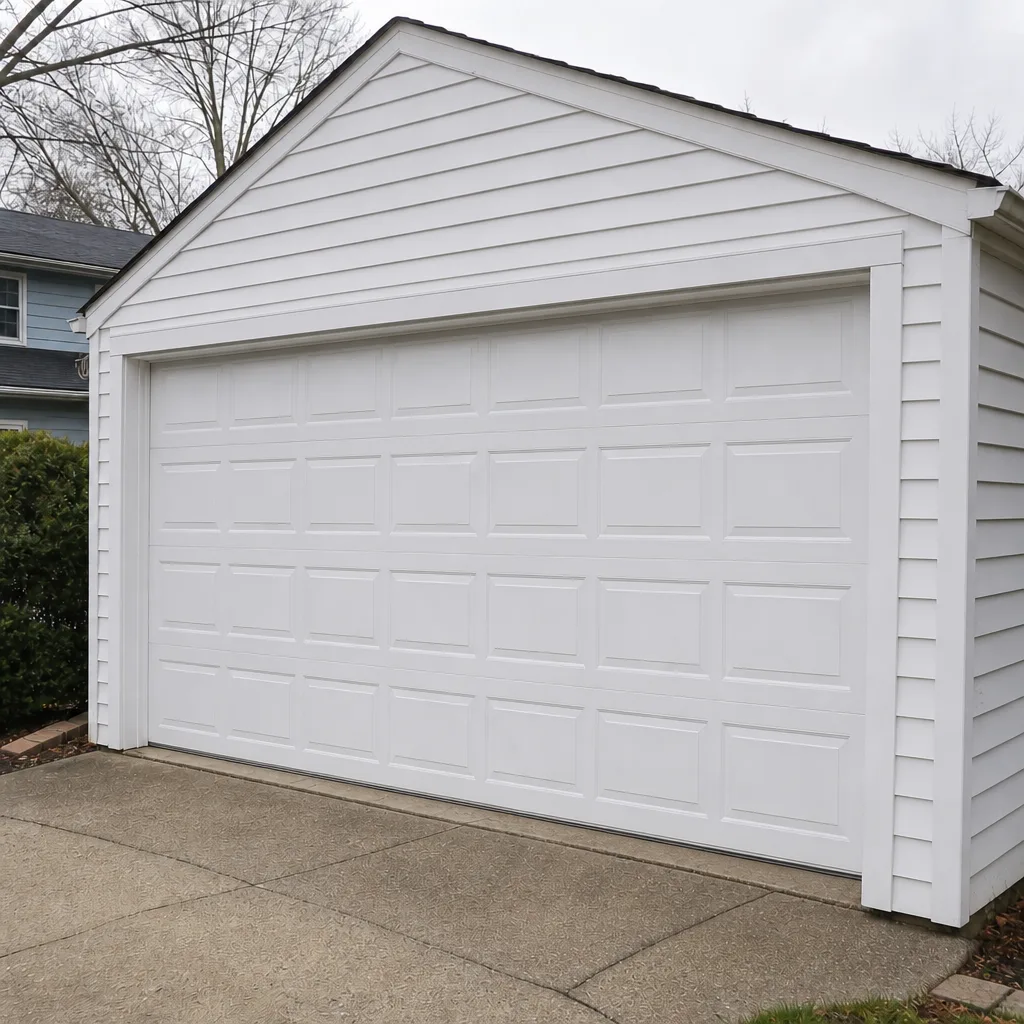 After
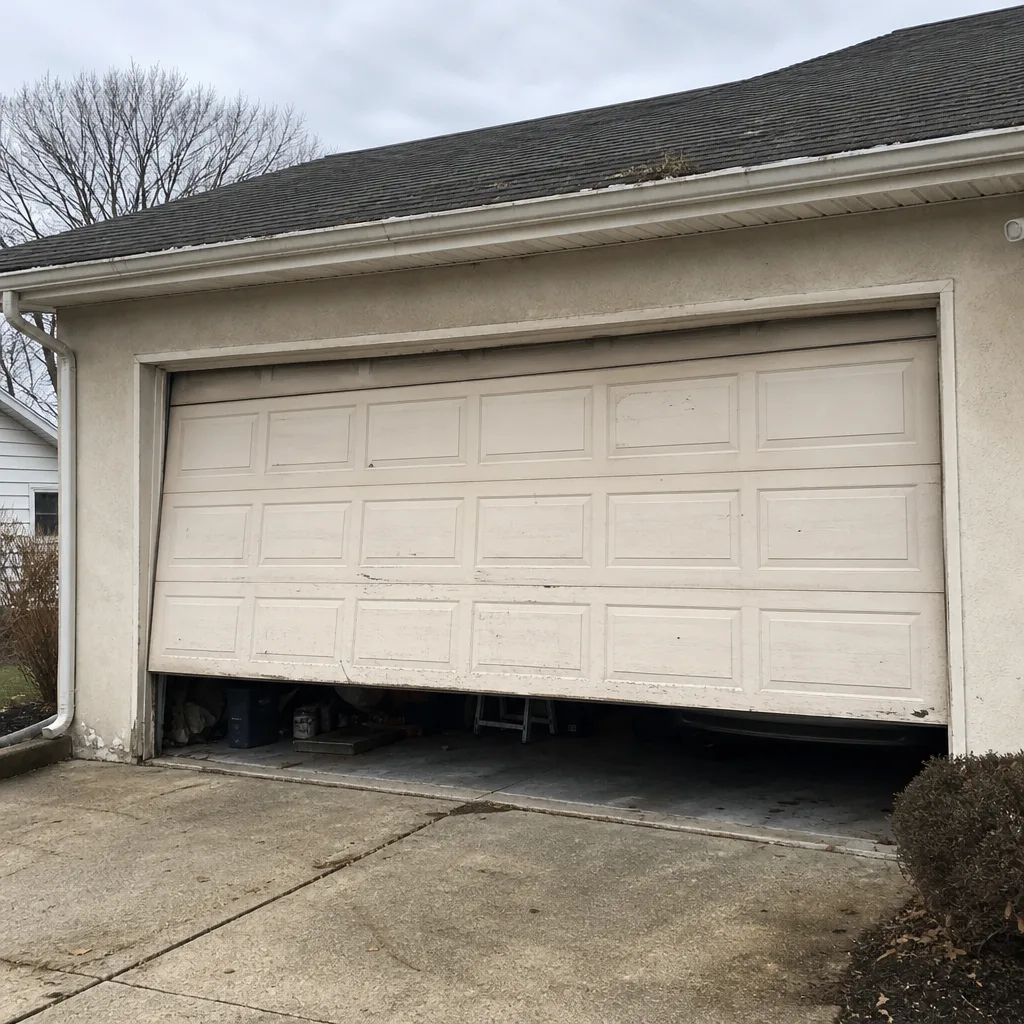 Before
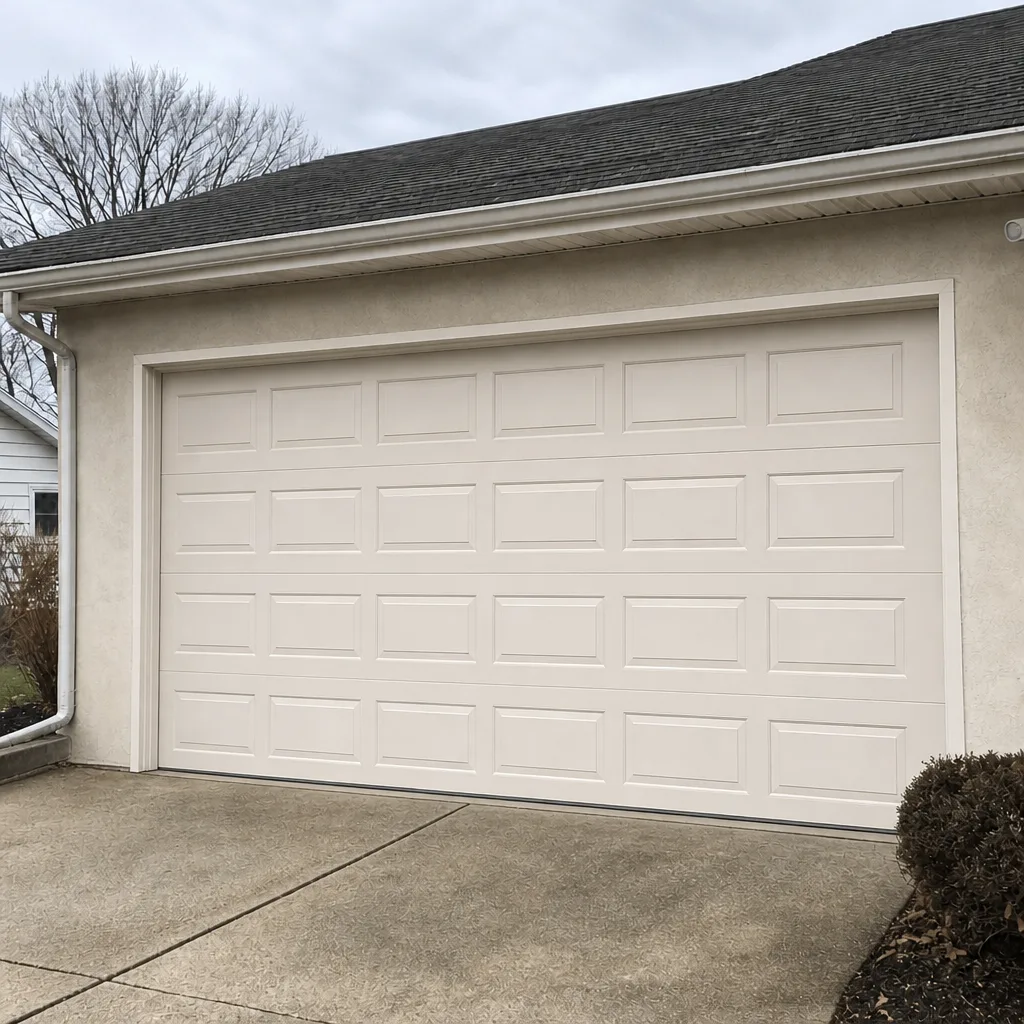 After
When to Call a Professional
Call a professional for any garage door problem that touches the spring, cable, or opener motor. A snapped torsion spring, a door that hangs crookedly from one corner, a door that reverses before it reaches the ground, or a door that won’t come down at all – these are situations where the safest move is a call. Don’t try to lift a door with a broken spring by hand, and don’t try to wind or unwind a torsion spring yourself. Springs, cables, and tracks hold stored energy that can release suddenly and cause serious injury. The work should be done by a trained technician who knows how to release that stored energy safely.
Other situations where a professional is the right call: an opener that’s become inconsistent, a door that makes new noises when it moves, or a garage door that’s stuck open. Any of those means the system needs a diagnosis, not a DIY fix. Call Garage Door Repair Vineland for a free estimate. Our number is (844) 443-4769. We answer 24/7. Fast dispatch from 7am to 7pm, Sunday through Friday. Same-day service is often available for repairs, and the price is quoted and agreed before any work starts.
Frequently Asked Questions
New Jersey requires home improvement contractors to hold a Home Improvement Contractor (HIC) registration issued by the Division of Consumer Affairs, and you can verify it on the NJDCA website in under two minutes. Ask for the registration number, then search for it yourself by name or number and confirm the record is active and matches the business name on your quote. If the contractor can’t provide a number, or the number doesn’t match the business name, that’s your answer.
Spring repair pricing depends on the specific part (wire diameter, cycle rating, single spring vs. matched pair) and the labor to install it safely. Because torsion springs need to be measured before a quote can be accurate, we don’t quote a firm price without seeing the door. Call (844) 443-4769 for a free estimate and a clear written price before work starts.
For repair work, same-day service is often available. Call (844) 443-4769 first thing. We answer 24/7. Fast dispatch from 7am to 7pm, Sunday through Friday. If it’s outside dispatch hours, a call is booked into the next opening.
No. The price is quoted and agreed before any work starts, based on the written estimate. If a surprise discovery happens on the job – a bent track, a broken bracket, a door out of balance – the technician stops, shows you the problem, and gives you a revised written price before touching it. You don’t get an invoice bigger than the estimate unless you approved the change in writing.
The local professional we connect you with is licensed and insured as their state requires. Before any work starts, ask for the HIC registration number and verify it on the NJDCA website. We can work with your insurer on documented claims.
A labor warranty covers the contractor’s workmanship – installation, adjustment, and their contribution to the repair if a part fails. A manufacturer warranty comes from the parts maker and typically covers the part itself but not the labor to install it. You want both in writing before work starts. A manufacturer warranty without a labor warranty can leave you paying twice for a failed part.
The Bottom Line
Hiring a garage door contractor in Vineland comes down to asking better questions than the next homeowner. Verify the HIC registration. Ask about wire diameter, IPPT, and cycle rating before you hear a price. Require both a labor warranty and a manufacturer warranty in writing. Compare quotes only when both are broken down the same way. And treat the technical answers as the real signal, because a contractor who can explain your spring setup will install the right one. That’s the difference between a repair that lasts and a callback you’ll spend a week arguing about.
If you’d rather skip the vetting and start with a specialist, call (844) 443-4769 for a free estimate. We work on the brands you own, we know what your door needs, and the price is agreed before any work begins. Whether it’s a routine repair on a Clopay door or an emergency call on a broken spring at night, you can reach Garage Door Repair Vineland and get a clear next step.
Written by the team at Garage Door Repair Vineland.