
Last updated November 23, 2026
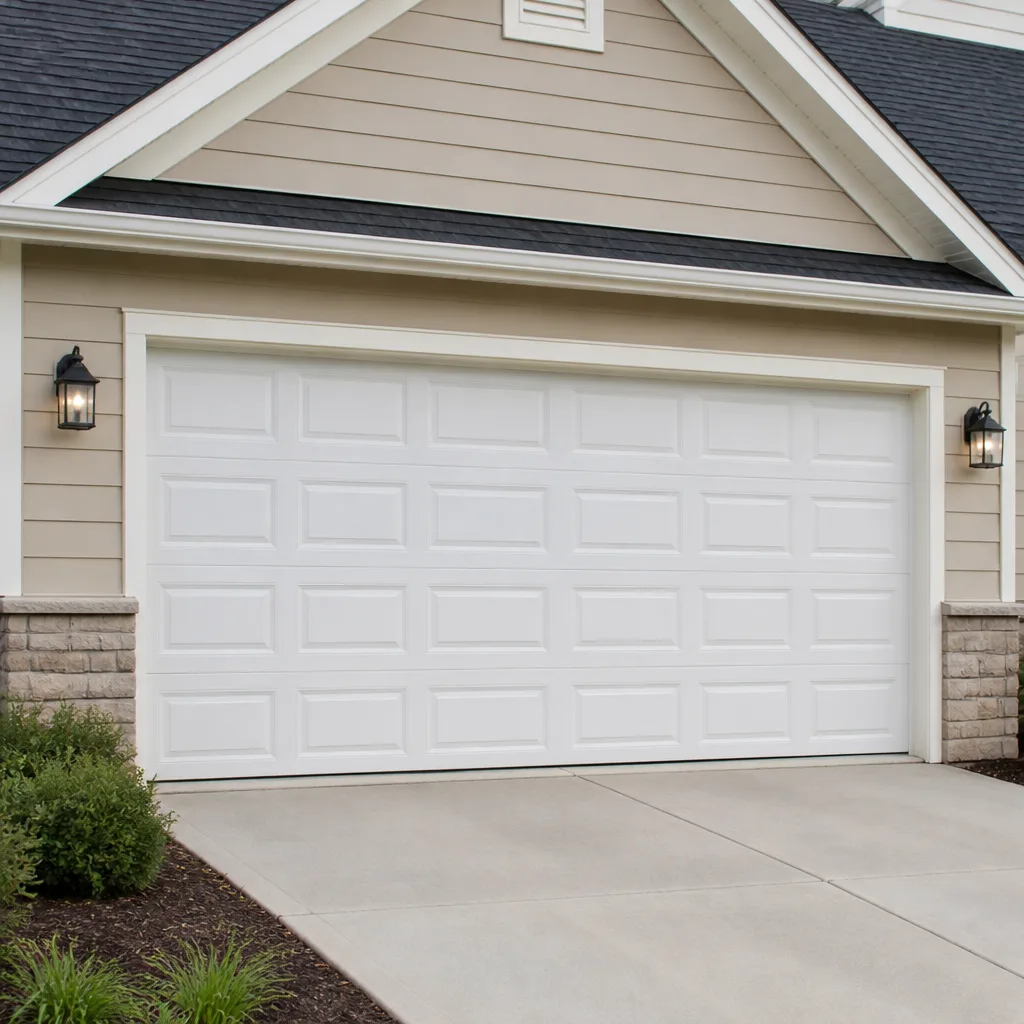 Raised-panel steel
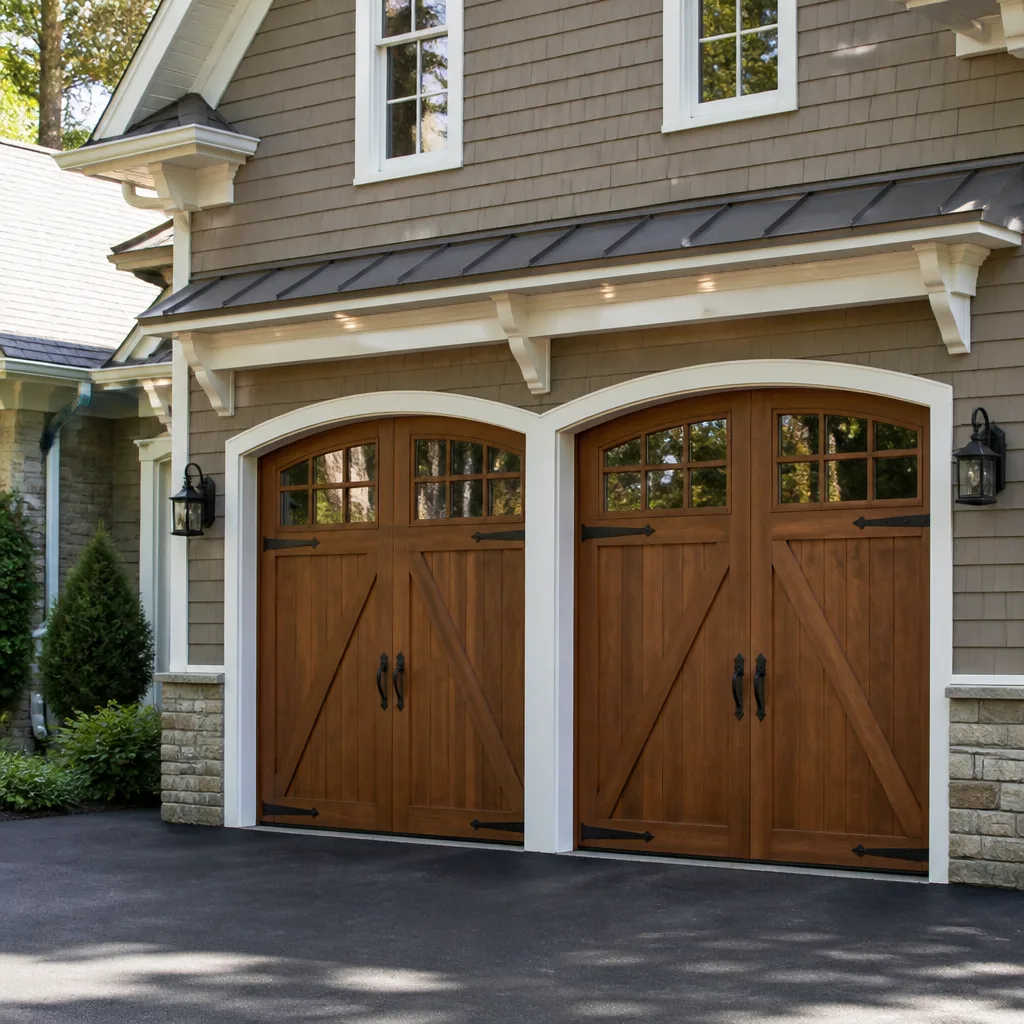 Carriage house
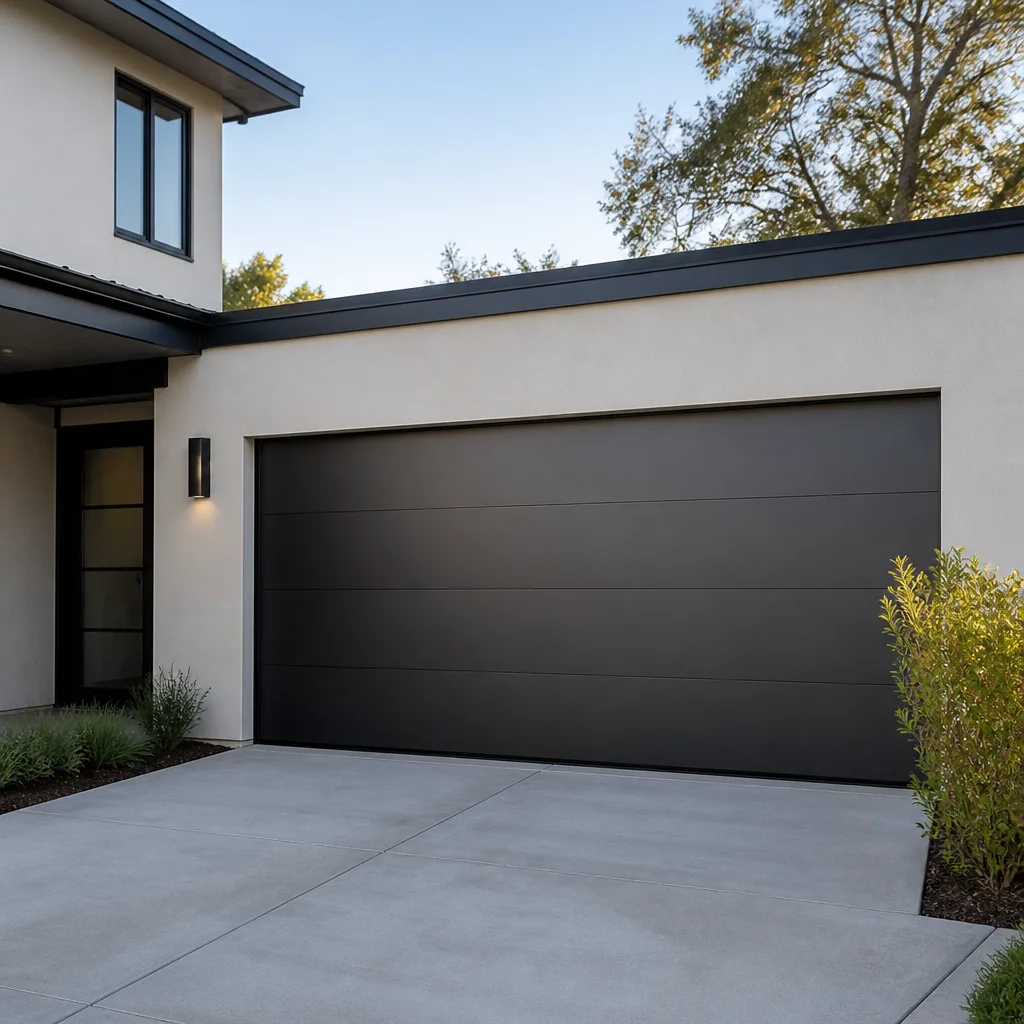 Modern flush
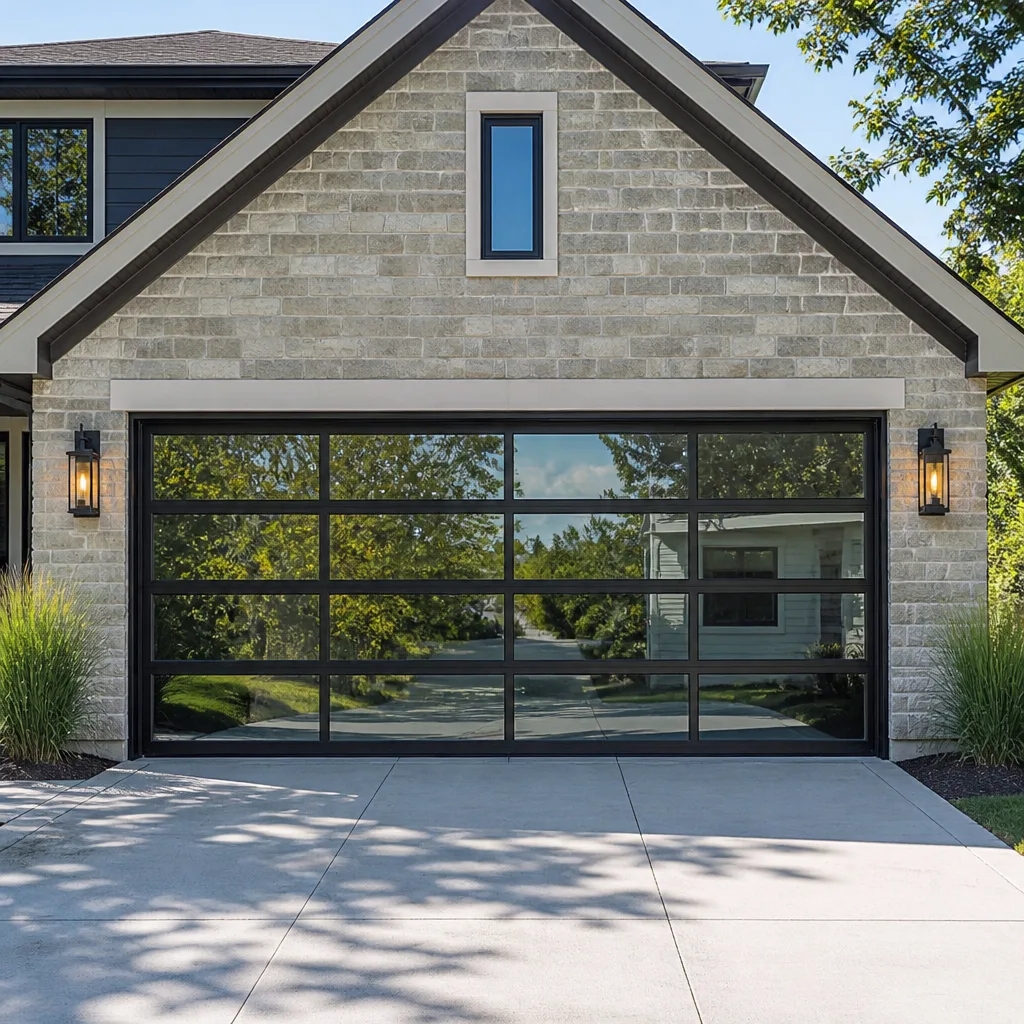 Full-view glass
 LiftMaster openers
 Chamberlain openers
Full 25-point door and opener safety check with every visit - springs, cables, rollers, tracks, and your LiftMaster or Chamberlain opener included
You get a price before we start. It does not change when the pro arrives.
Get your free estimateGarage Door Warning Signs: A Vineland Homeowner’s Reference Guide
A door that takes three seconds longer to open than it did last month isn’t “getting old.” It’s telling you something specific – about spring tension, roller wear, or the load your opener motor is carrying. The difference between those diagnoses is the difference between a small adjustment and a major repair, and most homeowners can’t tell them apart because most warning-signs guides only describe symptoms. “Slow movement” means nothing on its own. This reference pairs every warning sign we run into in Vineland with the mechanical cause most likely behind it, so you know whether to watch it, adjust it, or stop using the door and call. It covers sound diagnostics, spring checks you can do without touching a spring, opener behavior as a testing tool, and the signs that show up specifically in Vineland’s climate.
Quick Answer
The warning signs that need immediate attention are a loud bang from above the door followed by a door that won’t lift, a visible gap in one of the torsion springs, a door that reverses the moment it touches the floor, and any door hanging crooked in its tracks. Slower signs – rattling, squealing, a door that drifts down on its own, a remote that only works up close – are usually safe to schedule rather than panic over, but they don’t fix themselves. Matching each sound and movement to its mechanical cause is what separates a cheap fix from an expensive one.
Styles & brands we work with
- Raised-panel steel
- Carriage house
- Modern flush
- Full-view glass
- LiftMaster openers
- Chamberlain openers
Table of Contents
- What the Noise Is Telling You: Rattling, Grinding, Squealing, Popping
- The Visual Gap Test for Torsion Springs
- The Door-Won’t-Stay-Open Test for Spring Balance
- Opener Behavior as a Diagnostic Tool
- Warning Signs Specific to Vineland’s Climate
- The Five-Minute Visual Walkaround
- Which Signs Mean Watch, Which Mean Stop
- Common Mistakes to Avoid
What the Noise Is Telling You: Rattling, Grinding, Squealing, Popping
Every garage door makes some noise. The useful question isn’t whether your door is loud, it’s whether the noise is new, and where in the door’s travel it happens. Sound is the earliest diagnostic signal a garage door gives you, and each type of noise points to a different mechanical system.
Rattling is usually loose hardware: hinge screws backing out, the bolts that hold the track brackets, or the roller stems shifting in their hinges. It’s the least urgent sound. Tightening hardware and lubricating rollers typically settles it. If the rattle has a metallic ring to it and shows up at one specific point in the door’s travel, look at the track alignment before you assume it’s just loose bolts.
Grinding implicates the moving contact points. Worn steel rollers, dry bearings, or a bent track section that forces the roller to scrape as it passes. Grinding that has developed gradually is a scheduled-service job. Grinding that started suddenly after the door took a hit is worth stopping the door for.
Squealing is almost always metal-on-metal friction – dry torsion springs, dry hinges, or bearings that have lost their lubrication. It’s annoying before it’s dangerous, but a dry spring is a spring that’s wearing faster than it should.
Popping deserves its own category. A sharp pop from above the door, especially one followed by the door failing to lift, is the classic signature of a torsion spring that has just snapped. Popping from the tracks means a roller has jumped or a cable has come off its drum. Do not run the door again to “see if it does it again.”
Which sounds mean same-day attention versus scheduled service
- Same-day: a single loud bang or pop followed by a door that won’t open, grinding that started overnight, and any noise accompanied by the door hanging at an angle.
- Scheduled within the week: new squealing, rattling that’s getting louder, popping that repeats at the same point in the travel without a total failure.
- Watch and lubricate: a dull, consistent rattle that’s been there for months and hasn’t changed.
If you’re not sure which category your door falls into, describe the sound and when it happens to our team. Matching a noise to its cause over the phone is something we do often, and more than once a Vineland homeowner has avoided a needless service call that way, while others learned their door needed garage door repair sooner than they thought.
The Visual Gap Test for Torsion Springs
You can identify a broken torsion spring without touching it. Springs sit on the shaft above the door, and a healthy spring is a continuous coil. A broken one has a visible gap where the coil has separated, usually with a loose section that has wrapped itself around the shaft. The gap is the tell, and it’s readable from the floor with a flashlight.
Look at the spring from a few angles. A broken spring often shows its gap at the point where the coil ends meet, and the two halves may sit at slightly different resting positions. If the gap is there, the spring is gone, even if the door still opens under opener power.
Why a broken spring must never be operated further
A torsion spring is the component that balances the door’s weight. When one spring of a pair breaks, the remaining spring is carrying its half of the load plus whatever the dead spring used to hold. Running the opener on a door with a broken spring forces the motor to lift the full weight of the door plus the remaining spring’s unbalanced tension. That load lands on the cables, the drums, and the opener’s gears all at once. Cables can snap. The door can come down hard. The opener usually fails next, and that turns a spring repair into a spring repair and an opener replacement.
The gap test tells you what to do next, which is nothing – leave the door down and closed. Springs are stored energy, and the tension in a spring that’s still intact can cause serious injury to anyone who tries to manage it without the right winding bars and training. This is where we strongly recommend a trained professional. Our garage door spring repair work is the part of what we do we’re most particular about, because it’s the job where doing it wrong hurts people.
Spring prices are per spring. A matched pair usually gets replaced together, so a pair costs roughly double a single. If your door has two springs and one has failed, expect the pair discussion, and get the quote in writing before anything is touched. Vineland’s temperature swings work springs hard, and we’d rather explain why a pair replacement makes sense than have you back on the phone in a year for the other one.
The Door-Won’t-Stay-Open Test for Spring Balance
A properly balanced door stays put wherever you leave it. That single fact gives you a 30-second check that reveals spring underload long before a cable snaps – but it only works on a door that currently opens and closes normally under opener power.
- Disconnect the opener by pulling the red emergency release handle so the door is on manual operation only.
- Lift the door by hand to roughly waist height and stop. Don’t force it and don’t run it to the top.
- Let go and watch. A balanced door should hold roughly in place with little drift.
- Now raise it about halfway, to the midpoint of its travel, and let go again.
- If the door sags downward on its own, slides closed, or needs real effort to lift at all, the springs are under tensioned or worn.
Do not test a door you already know is compromised. If you’ve seen a gap in a spring, heard the bang, or the door is crooked, skip this test entirely – a manual test on a door with a failed spring is exactly how people get hurt. The midpoint check is for doors that seem fine but feel different than they used to.
What the test tells you is that the springs are no longer carrying the door’s weight, and the opener has been doing some of the lifting for a while. Springs don’t wear out in a straight line. Once they start losing tension, the load moves to the cables and the opener, and both of those fail more expensively than a spring does. Reconnect the opener afterward if the door passed – and if it didn’t, leave the opener disconnected and get the balance checked. If you’d rather not run the test yourself, garage door opener repair visits often turn up unbalanced doors the homeowner never suspected, because a spring problem and an opener problem feel identical from the driver’s seat.
Opener Behavior as a Diagnostic Tool
How your opener behaves under load tells you whether you have a mechanical problem or an electrical one – and the two behave differently enough to separate them from the floor. The dividing line is whether the door reverses immediately or struggles and then reverses.
Reverses immediately, with little resistance
An opener that stops or reverses the moment it touches something is doing its job. That’s the safety reverse feature, and it triggers on the slightest obstruction. It usually points to an obstruction in the door’s path, a misaligned safety sensor, or a track problem that the sensor’s beam is catching as the door closes. This is an electrical or sensor-side issue more often than a motor issue.
Struggles, then reverses
An opener that strains, moves partway, and then gives up is fighting something mechanical. The motor is trying to lift and finding the load higher than it expects. The most common reasons: a failing spring no longer balancing the door, a binding track, a worn roller dragging in its hinge, or a door that’s become heavier than the opener’s travel force setting assumes. On a Craftsman or LiftMaster unit, the force adjustment can be a factor, but force settings should be adjusted by a technician, not turned up to push past a mechanical problem. Turning up the force to compensate for a weak spring is how openers burn out.
Other opener signatures worth knowing
- Remote works up close only: usually the receiver, the remote battery, or an LED bulb nearby interfering with the signal. Test with the wall button first.
- Door opens via wall button but not remote: the logic board is fine and the issue lives in the remote or receiver.
- Blinking lights and no movement: a sensor-side fault. Clean the lenses and check alignment before assuming the motor.
- Opener runs but the door doesn’t move: a broken spring, a snapped cable, or a working-loose drive gear inside the unit.
We work on openers across the major brands – LiftMaster, Chamberlain, Genie, and Wayne Dalton among them – which matters, because “the opener is broken” is rarely the diagnosis. It’s the symptom. A brand-specific look at the travel force settings, the logic board, and the safety reverse is how you avoid replacing a unit that only needed a spring rebalance or a sensor alignment.
Warning Signs Specific to Vineland’s Climate
Vineland’s weather does things to a garage door that a general guide won’t tell you. The climate here drives three failure patterns we see repeatedly: oxidation on the metal parts low on the door, humidity issues in wood composite panels, and bottom seals that fail from the inside out after a freeze. None of these look like a “broken door,” which is exactly why they get missed.
Oxidation on bottom brackets and hardware
The metal brackets that anchor the bottom corners of the door and carry the cable ends are exposed to whatever the floor throws at them. Oxidation on those brackets and the bottom hinge plates is the earliest sign to catch, because once the metal thins, the bracket stops doing its job of holding the cable anchor point secure. Check the bottom brackets, the low hinges, and the metal edges of the bottom section. Surface discoloration is cosmetic; flaking or pitting is a signal to have the hardware inspected.
Humidity-induced panel warping in wood composite
Wood composite doors take on moisture through the seams and edges. In Vineland’s humid stretches, an unpainted edge or a worn seal lets water into the material, and the panel can swell and warp. The first sign is usually a door that doesn’t sit flush in its opening anymore, or a horizontal gap that’s tighter on one side. Warped panels change the door’s alignment in the tracks and put more load on the rollers and opener.
Freeze-damaged bottom seals
A bottom seal can look fine and fail its actual job. Freeze cycles stiffen the rubber, and after enough of them the seal loses its flexibility. It sits on the floor looking intact, but it no longer compresses against the concrete, which means it stops blocking water, air, and pests. The test is simple: close the door and see whether light shows under it, or whether a piece of paper slides out freely when you close the door on it. If it does, the seal has failed even if it looks whole. Vineland homes lose real heat through a failed bottom seal, and it’s one of the cheapest things on a garage door to fix.
On top of all three, the temperature swings here stress springs more than a stable climate does. That’s why the visual gap test belongs on a routine, monthly pass and not just when something sounds wrong.
The Five-Minute Visual Walkaround
Most serious garage door failures leave visual evidence before they happen. A five-minute walkaround once a month, done from the floor with a flashlight, catches the majority of the warning signs before they turn into an emergency. You don’t need to touch anything, and you don’t need to climb.
- Check the springs. Look along the shaft above the door for any gap in the coil or a loose section. A gap means stop here and call.
- Look at the bottom brackets and low hinges. Check for flaking metal, cracked plates, or anything loose. Don’t touch them – the bottom bracket is under cable tension.
- Scan the tracks on both sides. They should run parallel and vertical, with no dents, bends, or sections that drift inward. A bent track forces the roller to bind.
- Look at the roller condition. Rollers should turn freely and sit in their hinge with some visible play. Flat spots, cracked steel rollers, or a roller sitting crooked in its hinge are all early signs.
- Check the door’s closed position. The door should sit level, with an even gap across the bottom and the panels aligned vertically. A crooked door is a track or cable issue.
- Inspect every panel from a few angles. Look for dents, warping, and separation along the seams. On a wood composite door, check the lower edges and any unpainted seams.
- Look at the cables. They should run straight and under tension. A cable that’s slack, fuzzy with broken strands, or off its drum means the door shouldn’t be operated.
If anything on this list looks wrong, the next step is a phone call, not a tool. Garage doors hold hundreds of pounds of tension in springs and cables, and a walkaround is the safe amount of inspection for a homeowner. Catching a problem during the walkaround is the goal; fixing it is a professional job.
Which Signs Mean Watch, Which Mean Stop
Sorting your door’s warning signs by urgency is what tells you whether to book service or take the door out of use. Here’s how we categorize them, and what each one points to mechanically.
- Stop using the door and call: a visible gap in a torsion spring; a single loud bang followed by a door that won’t open; a door hanging crooked in the tracks; a cable that’s slack or snapped; the door reversing the moment it touches the floor; any door you can’t lift by hand at all.
- Book service soon (within days): grinding at a consistent point in travel; a door that drifts down on its own during the balance test; an opener that struggles before it reverses; a bent track section; a door that no longer sits level when closed; a new popping sound that repeats.
- Watch and maintain: a consistent rattle that hasn’t changed; new squealing; a bottom seal that’s stiff but still sealing; a remote that needs a fresh battery; oxidation without flaking.
The rule of thumb: if the sign involves springs, cables, or the door sitting crooked, stop using it. If it involves noise, speed, or friction, schedule it. If it’s a rattle or a sound you’ve had for months, watch it, lubricate what’s accessibly lubricated, and recheck next month. That sorting alone prevents the majority of expensive failures, because the dangerous signs are the ones homeowners are most tempted to ignore – the door still opens, so it “must be fine.”
Common Mistakes to Avoid
- Running the door “one more time” after a loud bang. A single bang above the door is the signature of a failed spring. Opening the door after that risks a snapped cable and a hard-falling door. Stop using it.
- Turning up the opener’s force adjustment to push past a slow door. Force settings are the opener’s protective limit, and raising them to fight a weak spring or a binding track burns out the motor and compromises the safety reverse. Diagnose the load problem instead.
- Lubricating springs, cables, and the door’s balance points with the wrong product. A dry torsion spring gets a purpose-made spring lubricant, not WD-40 or general household oil, which attracts grit and accelerates wear. The bottom brackets and cables don’t get touched at all.
- Trusting the bottom seal because it looks intact. In Vineland’s freeze cycles, a seal goes stiff and stops compressing against the concrete while still looking whole. Test with light or a piece of paper, not by eye.
- Buying a new opener to fix a door problem. Most “opener failures” are spring, track, or sensor issues. Replacing the opener before the door is balanced just puts the same load on a brand-new motor.
- Ignoring a door that’s suddenly crooked in its tracks. A crooked door usually means a cable or roller problem, and driving it further can walk the door out of the tracks entirely.
- Skipping the walkaround because nothing’s obviously wrong. The visual checks are what turn a $40 roller job into a repair before it becomes an opener replacement and a track rebuild alongside it.
See the difference
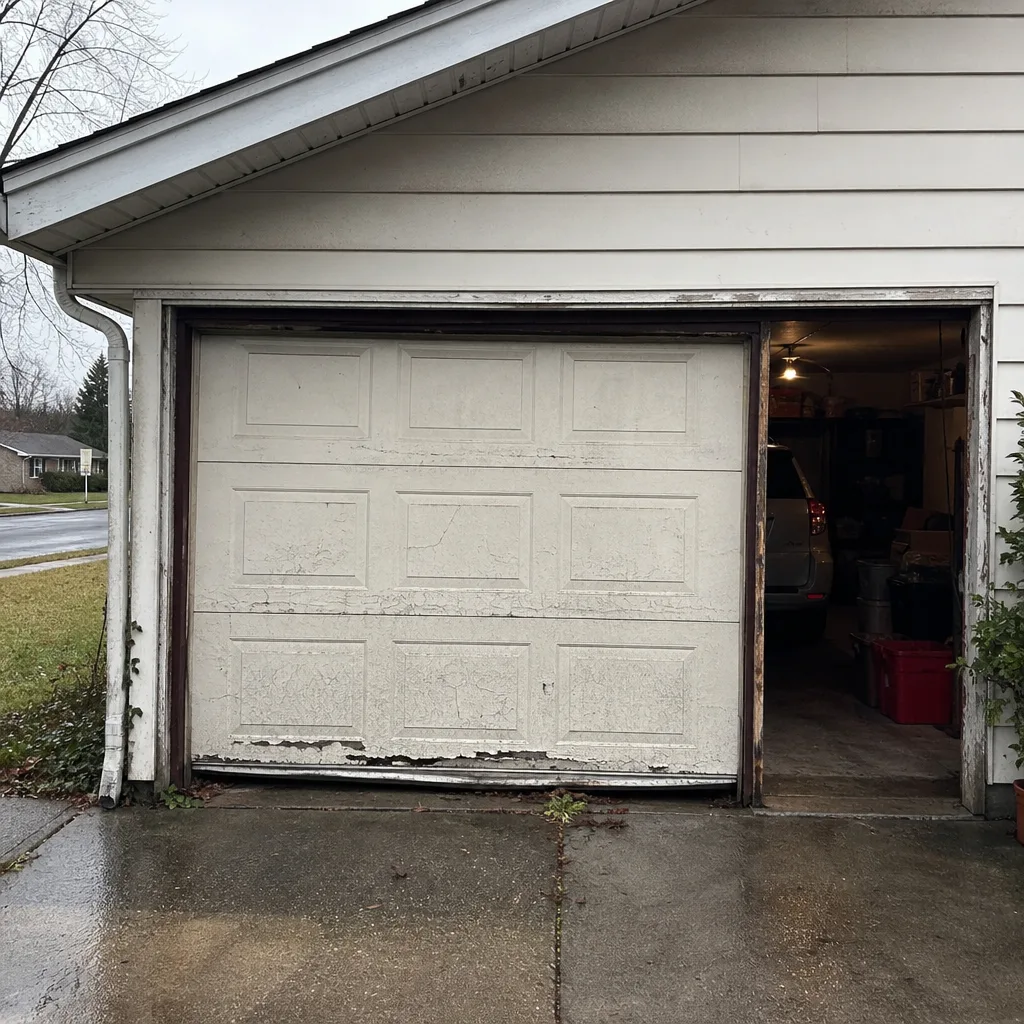 Before
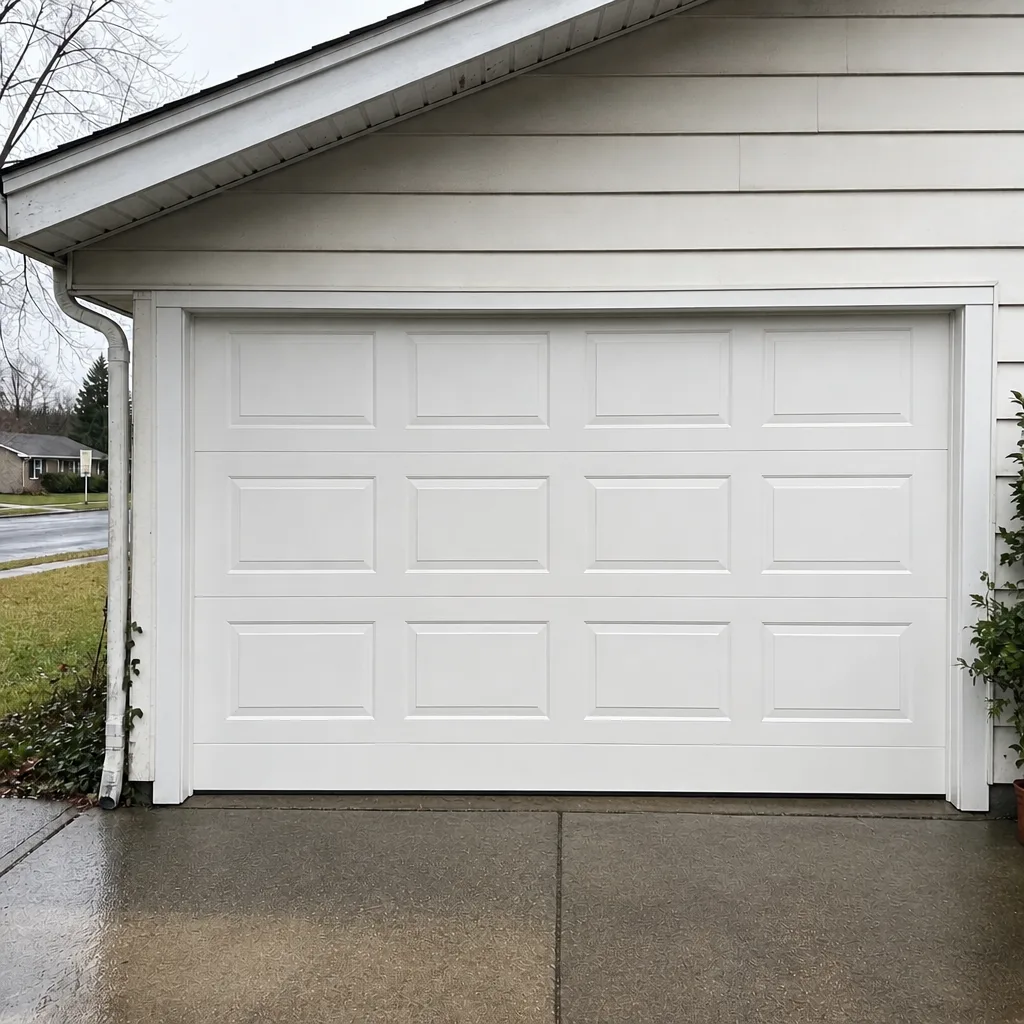 After
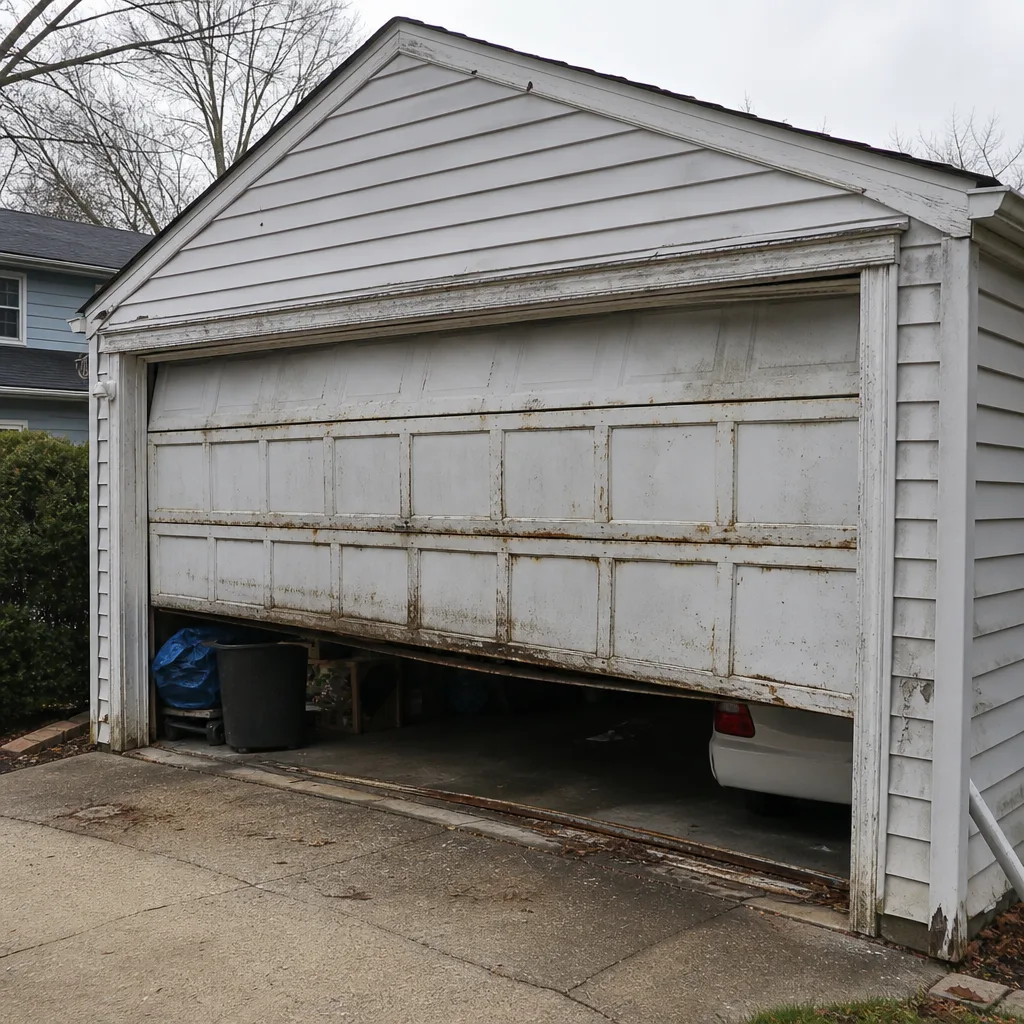 Before
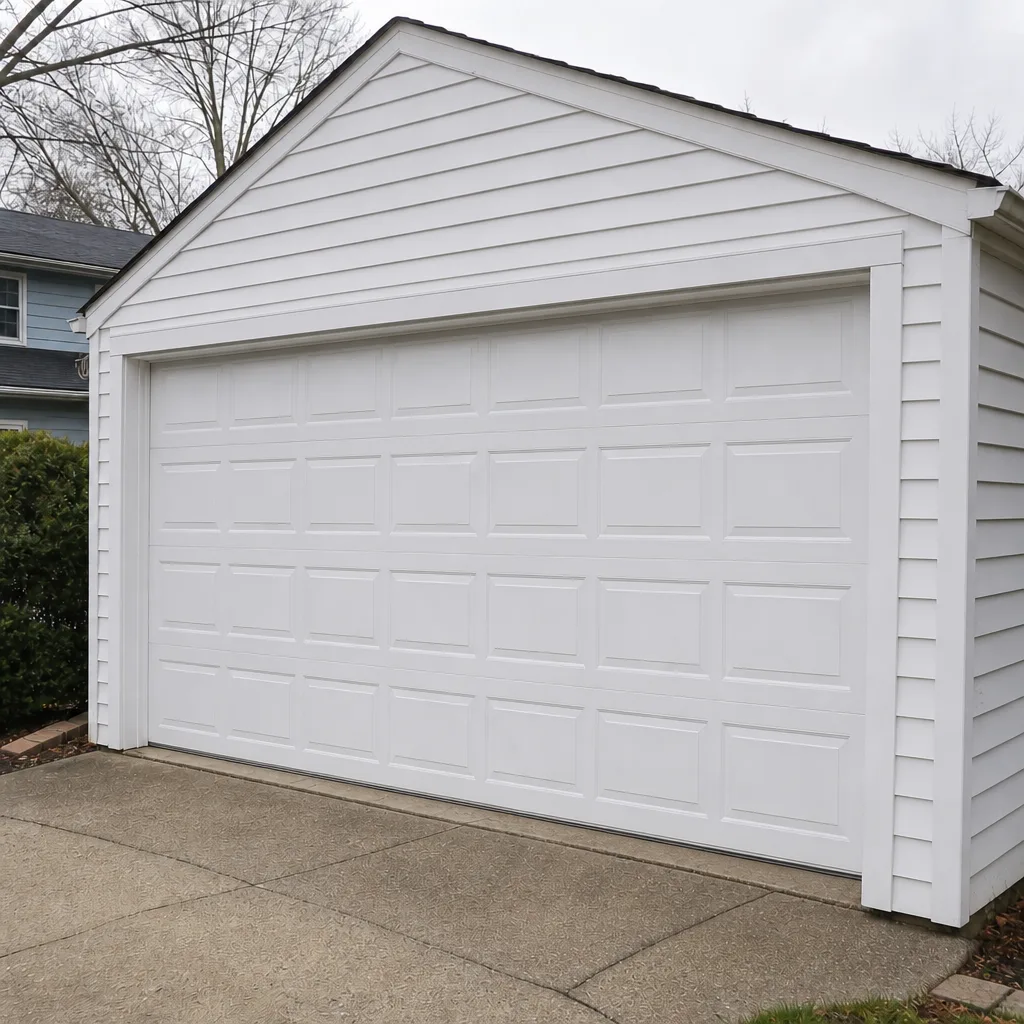 After
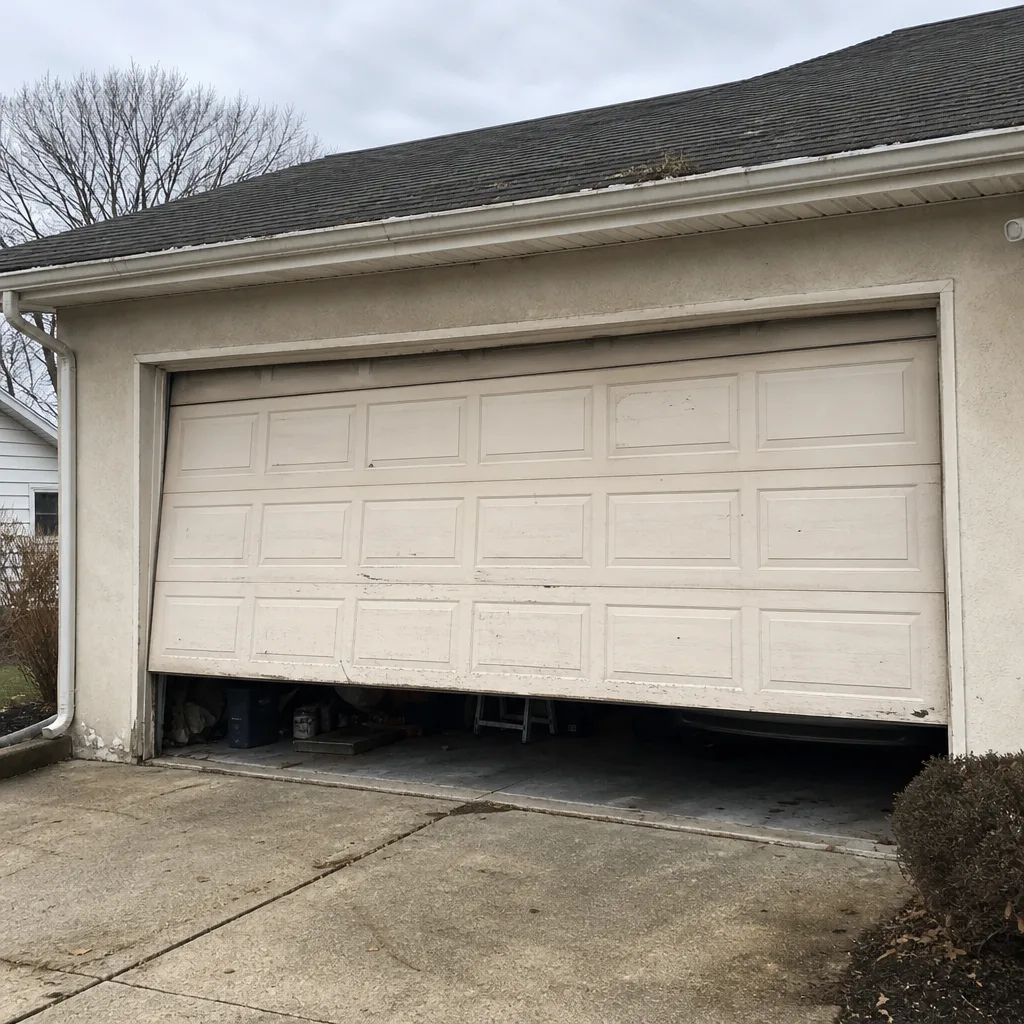 Before
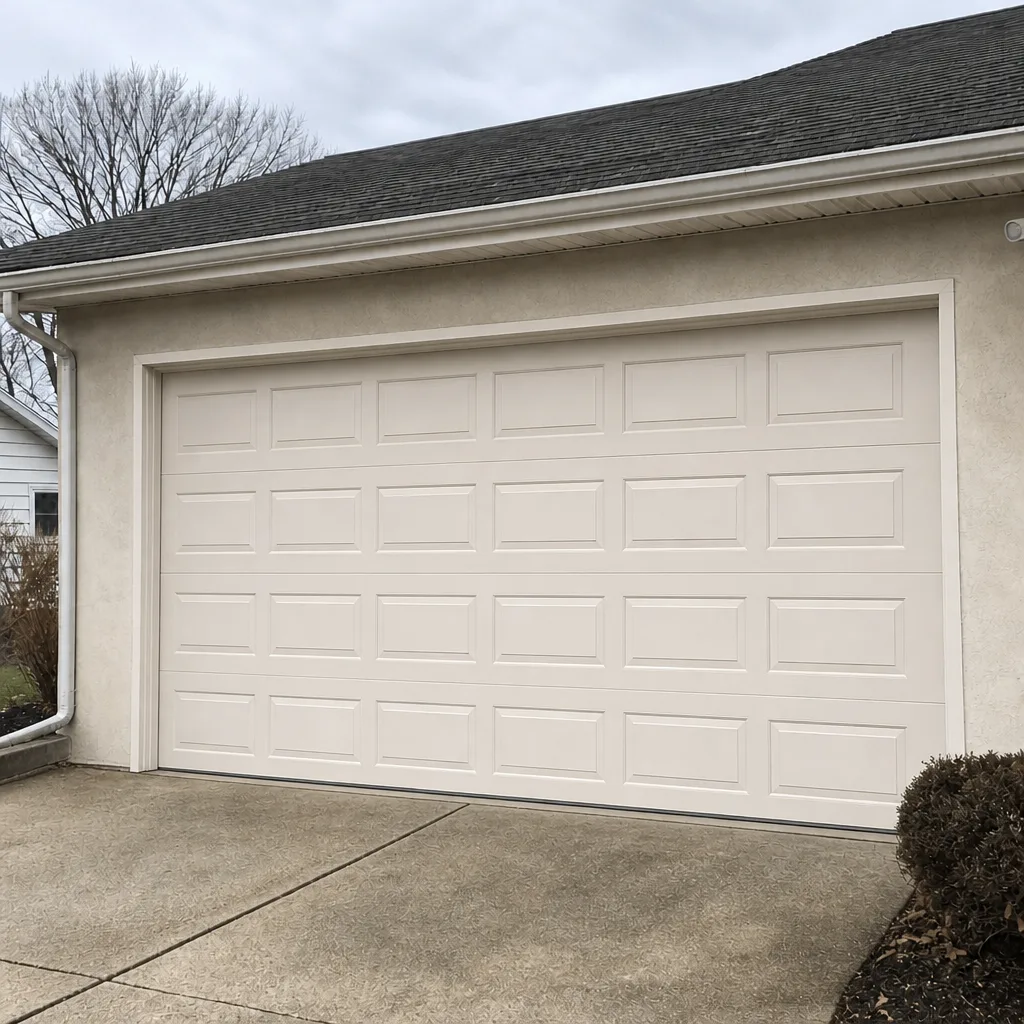 After
When to Call a Professional
Call a professional the moment any warning sign involves springs, cables, or a door sitting crooked – those hold stored energy and aren’t a homeowner job. Also call if your opener struggles before it reverses, if you’ve had to raise the force setting, if the door drifts down on its own at the midpoint test, or if you’ve seen a gap in a spring. A door that closed fine last month and won’t stay up this month doesn’t need another test, it needs a technician who can identify whether the problem is spring tension, a binding track, or the opener. Our technicians have up to 11 years of experience, and we work on LiftMaster, Chamberlain, Genie, Clopay, Amarr, Wayne Dalton, Craftsman, and Raynor systems specifically, so we diagnose the right part the first time. Garage Door Repair Vineland offers free estimates in Vineland – call (844) 443-4769 to get your door moving safely again.
Frequently Asked Questions
The first and most reliable sign is a visible gap in the coil when you look at the torsion spring above the door. A healthy spring is one continuous coil; a failed one has a separation where the two halves rest apart, often with a loose section wrapped around the shaft. Before the gap appears, watch for a door that feels heavy on the manual balance test or an opener that strains on the way up. If you see the gap, stop using the door and call (844) 443-4769 for a free estimate.
No. A door with a broken spring should stay down and closed until it’s repaired. The remaining spring and the opener end up carrying twice the load they were designed for, which can snap a cable or bring the door down hard. Even if the opener still lifts the door, that doesn’t mean it’s safe to keep running it. Call us and we’ll tell you what the repair involves before you book.
Immediate reversal means the safety reverse is doing exactly what it should – something is tripping it. The usual culprits are a misaligned or dirty safety sensor, an obstruction in the door’s path, or a track issue the sensor’s beam is catching. An opener that struggles first and then reverses is a different story; that points to a mechanical problem like a weak spring or a binding track. Call (844) 443-4769 and we’ll help you sort which one it is.
It depends entirely on which component is failing, which is why we diagnose before we quote. A roller, hinge, or bottom seal repair is a small job; a spring or track issue is a bigger one. The estimate is free and the price is set per job, in writing, before any work starts. Call (844) 443-4769 for a free estimate.
No – the written estimate sets the price, and we quote and agree on it before any work begins. If we find something beyond the original diagnosis, we tell you what it is and what it adds before touching it. You never get an invoice bigger than what you agreed to. Call (844) 443-4769 to book an estimate.
The local professionals we connect you with are licensed and insured as their state requires. Our technicians have up to 11 years of experience, and we specialize only in garage doors – springs, openers, panels, and tracks – which is why we can diagnose the cause rather than replace parts on a guess. Call (844) 443-4769 to get started.
The Bottom Line
Garage door problems almost always announce themselves before they fail. The skill is knowing which sign means stop and which means schedule. A gap in a spring, a loud bang, a door that reverses on contact, or a door hanging crooked: stop using it and call. Grinding, drifting, struggling openers, and new squealing: book service before they complicate. Rattling and minor friction: watch, lubricate, and recheck. Vineland’s climate adds its own tells – oxidation on low hardware, warped composite panels, stiff bottom seals – that a general guide would never mention. Run the five-minute walkaround once a month and you’ll catch most problems while they’re still small. We’re here when you need a specialist who works on the door, not everything around it.
Contact us for a free estimate – call (844) 443-4769. We answer 24/7. Fast dispatch from 7am to 7pm, Sunday through Friday. Whether you’ve seen a gap in a spring, heard a bang, or just want a second opinion on a sound you’ve been ignoring, Garage Door Repair Vineland is ready to help. Get your door moving safely again.
Written by the team at Garage Door Repair Vineland.