
Last updated November 23, 2026
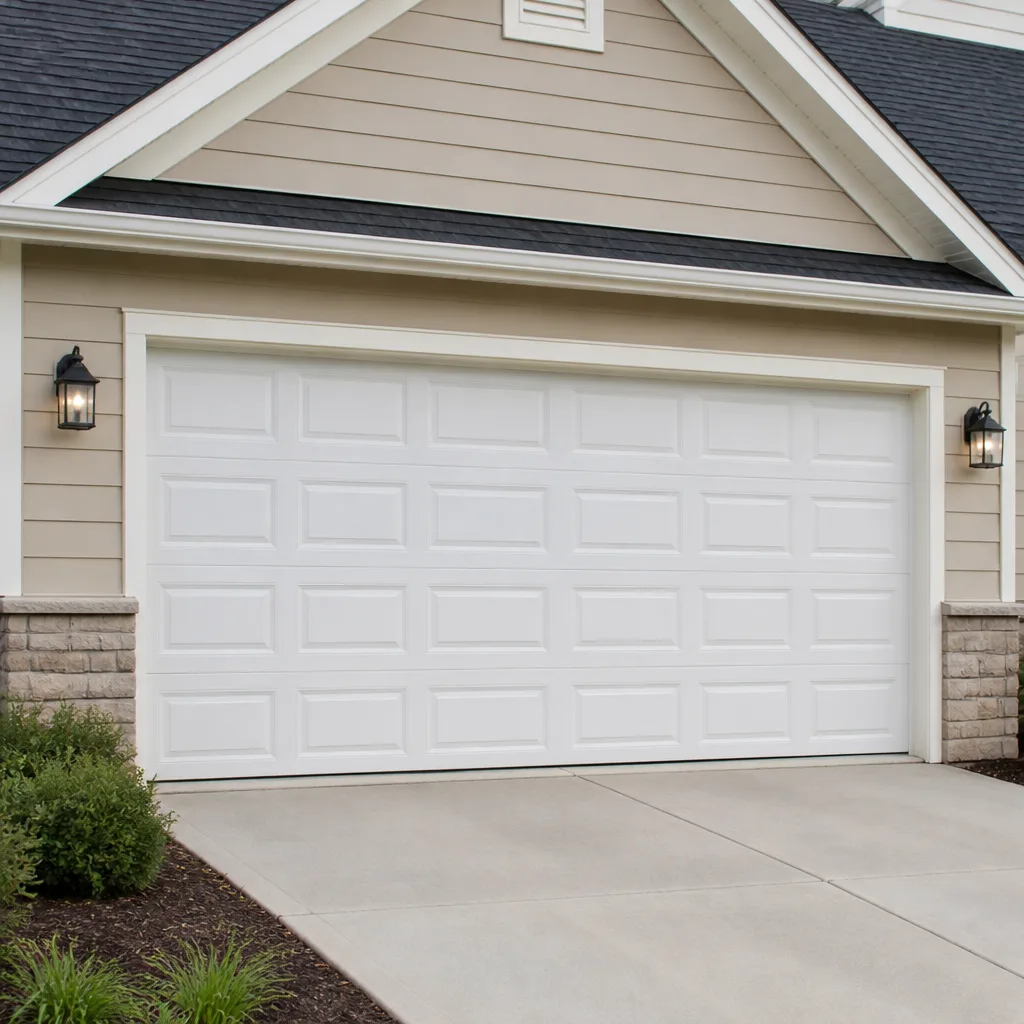 Raised-panel steel
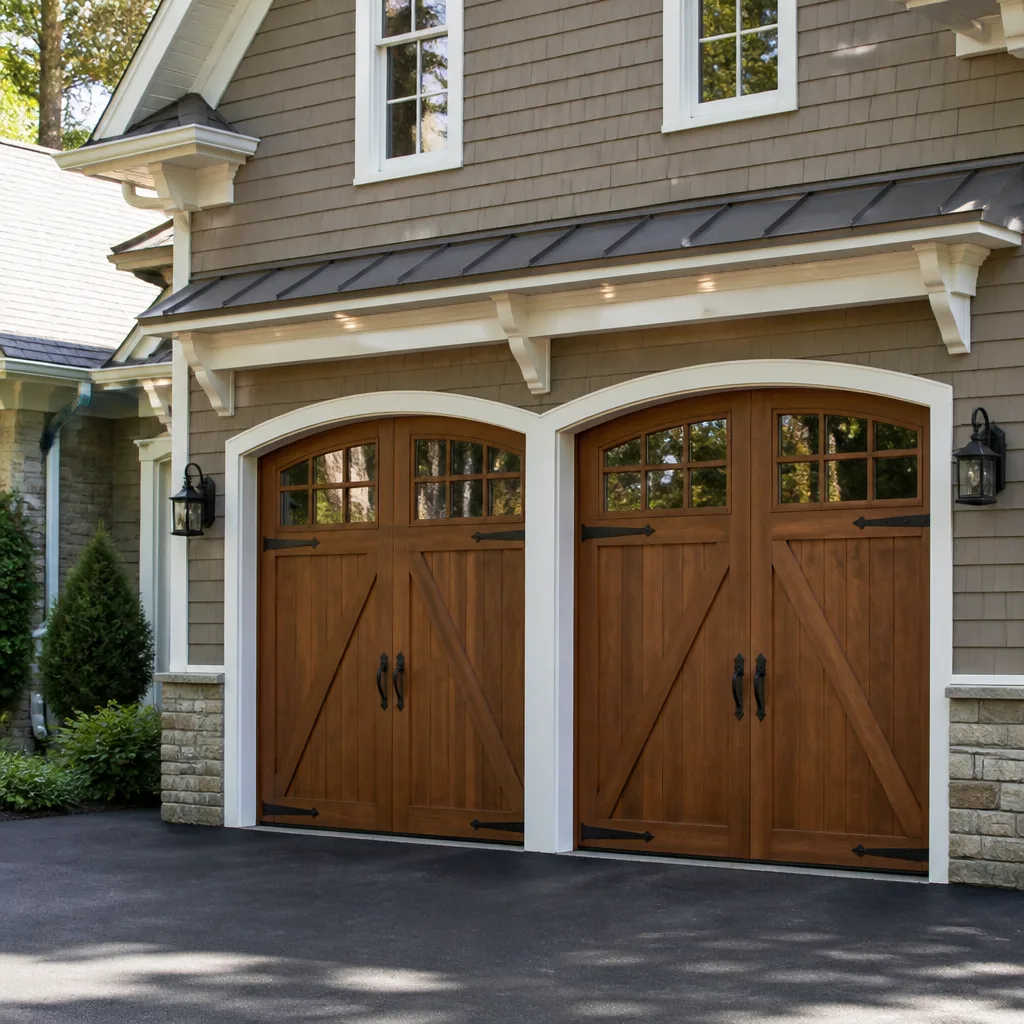 Carriage house
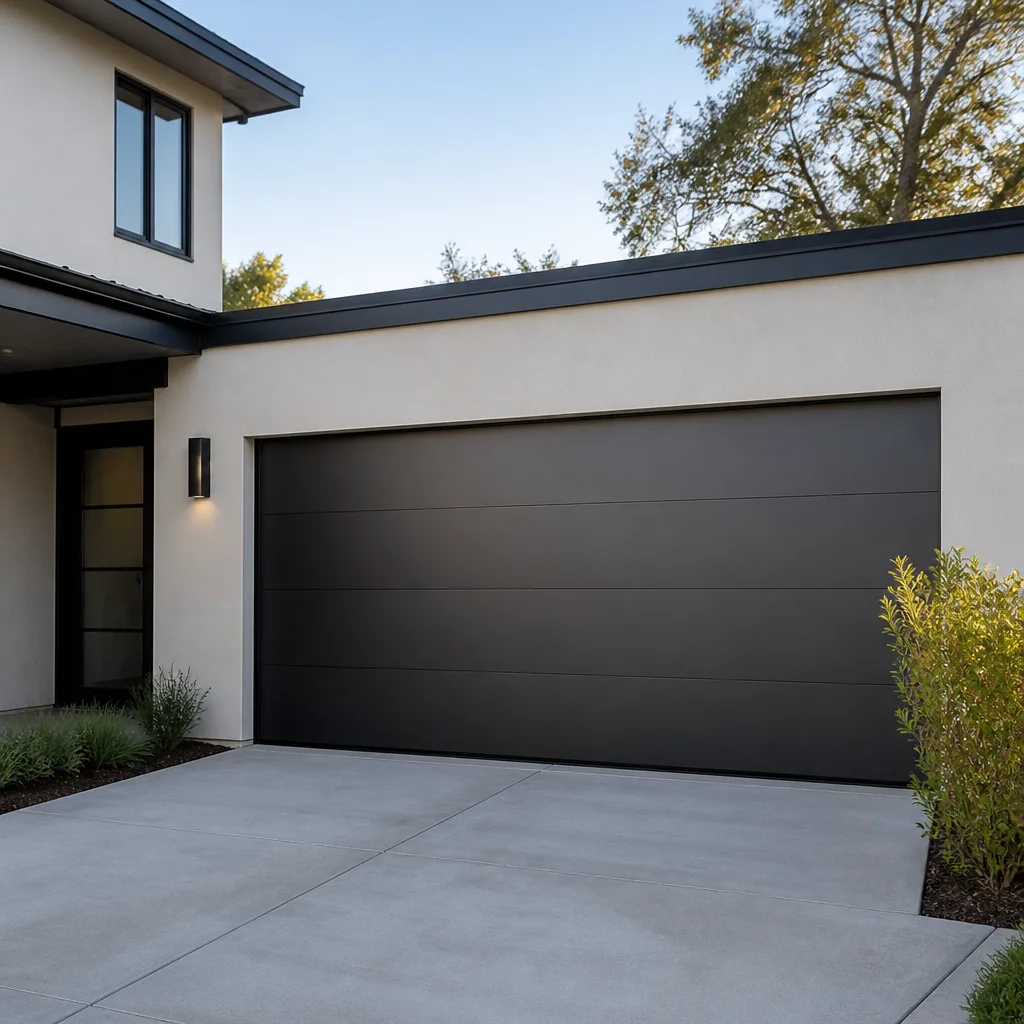 Modern flush
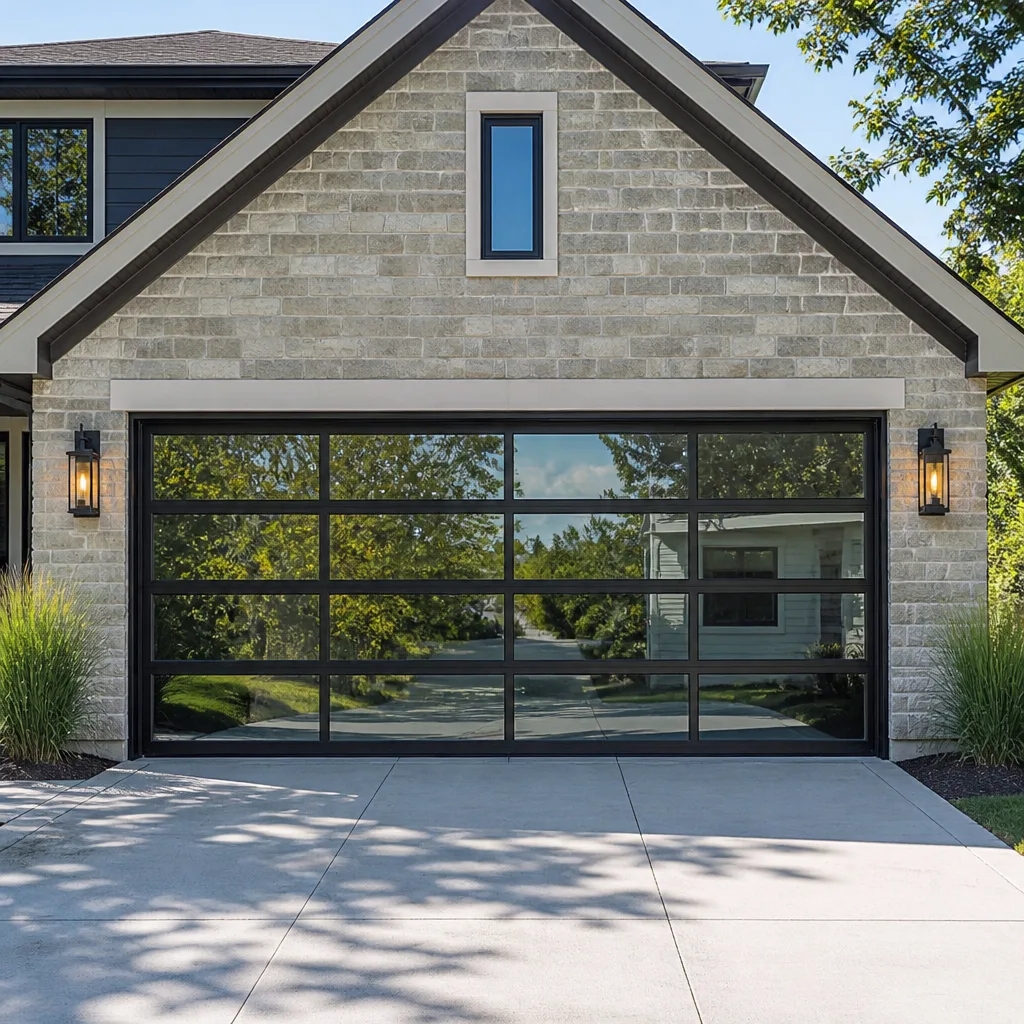 Full-view glass
 LiftMaster openers
 Chamberlain openers
Full 25-point door and opener safety check with every visit - springs, cables, rollers, tracks, and your LiftMaster or Chamberlain opener included
You get a price before we start. It does not change when the pro arrives.
Get your free estimateGarage Door Repair Troubleshooting in Vineland: Common Problems and How to Fix Them
A door that reverses before it closes usually isn’t broken. Its safety sensors are misaligned by as little as a quarter-inch, and that tiny gap is enough to tell the opener something is in the way. Homeowners call that a “door problem” and start adjusting springs or replacing openers when the real fix takes two minutes with a screwdriver. This guide teaches component-level thinking instead of symptom-chasing. You’ll learn how to map each noise, hesitation and reversal to the exact part responsible, how to tell a mechanical failure from an electrical one before you touch anything, and which jobs in Vineland are genuinely safe to handle yourself versus which belong in the hands of a specialist. By the end, you’ll know what’s wrong with your door and whether to fix it or call.
Quick Answer
Garage door problems fall into two categories: mechanical (the door, springs, tracks, rollers and cables) and electrical (the opener and its sensors). A two-minute manual release test tells you which one you’re dealing with before you touch anything else. Most of what homeowners diagnose as a “broken opener” is a misaligned sensor or a worn roller, while most of what looks like a door problem is a weakening torsion spring. Match the symptom to the component, and the fix becomes obvious.
Styles & brands we work with
- Raised-panel steel
- Carriage house
- Modern flush
- Full-view glass
- LiftMaster openers
- Chamberlain openers
Table of Contents
- Symptom-to-Component Map: What Every Noise and Behavior Tells You
- The Two-Minute Manual Release Test: Mechanical vs. Electrical
- Vineland Humidity and Cable Corrosion: What to Look For
- Safety Sensors and Reversals: The Most Misdiagnosed Problem
- Torsion Springs: What Homeowners Should Never Adjust
- Opener Gear and Logic Board Failures
- Tracks, Rollers and Hinges: The Wear Parts You Can Actually Replace
- The Troubleshooting Decision Tree
Symptom-to-Component Map: What Every Noise and Behavior Tells You
The single most useful troubleshooting skill is learning to hear a garage door. Each part fails with a distinct sound, and once you know the map, most diagnoses happen in the first ten seconds. Every noise a door makes points at a specific component, not a general “it’s broken.”
- Loud popping or a bang from above the door – torsion spring failure. When a torsion spring snaps, you’ll hear a sharp crack that sounds like a gunshot, and the door won’t lift. The door stays down because the spring was counterbalancing its weight. This is a spring problem, full stop. Don’t pull the opener’s release cord until you understand what happened.
- Grinding that changes with door position – worn rollers or a dry, scored track. The grinding gets worse as the door moves through the section of track where the wear is worst. Rollers with flattened bearings rumble; a bent track makes them scrape.
- Squealing or high-pitched whine – dry torsion spring coils, worn opener gears, or the opener’s drive mechanism asking for lubrication. If the sound comes from the ceiling unit rather than the door itself, it’s opener internals.
- Popping without a bang, at consistent intervals – track joint separation or a hinge that’s working loose from its panel. Look for track sections pulling apart at their brackets.
- Rattling that’s worse on the way down – loose panel hardware, a worn hinge, or a roller pulling free of its bracket. Rattles almost always trace to the door, not the opener.
In Vineland, we see these failures cluster by season. Summer humidity softens and swells wooden panels, changing how they move in the tracks; winter cold stiffens lubricant and makes a marginal spring or opener work visibly harder. A noise that only shows up in January and disappears in June isn’t a new problem. It’s an old one that the weather exposed.
The Two-Minute Manual Release Test: Mechanical vs. Electrical
Before you adjust a single thing, find out whether the problem lives in the door or the opener. This test is safe, requires no tools, and separates the two systems cleanly.
- Close the door fully. Pull the manual release cord hanging from the opener’s rail. You should hear a click as the trolley disengages.
- Lift the door halfway by hand. A properly balanced door should rise with modest effort and stay where you leave it, supported by its springs. If it takes real strength to lift, or if it slams down when you let go, the springs are the problem, not the opener. If it lifts easily and holds, the door and springs are fine.
- Reconnect the trolley. Run the opener with the door disconnected from your hand (door attached, or door in place) and watch the trolley travel. If the opener runs smoothly with no door load but struggles with the door, the opener motor is fine and the door is the drag. If the opener alone stutters, reverses, or won’t move, the problem is electrical.
That logic is the whole test. Mechanical problems live in the door’s springs, tracks, rollers, and cables. Electrical problems live in the opener’s motor, capacitors, sensors, or logic board. Every further step depends on which side you land on. In our experience across Vineland, roughly two out of three “the opener is broken” calls resolve on the mechanical side once homeowners run this test first.
Vineland Humidity and Cable Corrosion: What to Look For
South Jersey summers are humid, and garage cables live in that moisture year after year. The lift cables running from the bottom corners of your door up to the drums are galvanized steel, and the zinc coating eventually gives way. What follows isn’t dramatic. It’s slow, and it’s exactly the kind of failure that’s easy to miss until the cable snaps.
Look at the cables where they feed into the drums and where they wrap around the bottom brackets. Healthy cable is smooth and even. Cable that’s failing shows:
- Fuzzing or fraying near the drum. Individual strands separate from the bundle before the whole cable fails.
- Kinks and reverse bends. A cable that’s jumped its drum and gotten caught develops a kink that weakens it permanently.
- Reddish oxidation at the low points where moisture collects. This is what corrosion actually looks like before structural failure.
- Sagging on one side. If one cable looks slack while the other is taut, the door is loading unevenly and one cable is carrying more than its share.
Humidity in Vineland also affects wooden doors differently than steel ones. Wood swells along its grain, which can lift a panel enough to change how it rides in the tracks, causing scraping that looks like a track problem. Steel doors handle humidity better, but the bottom brackets rust first because they’re closest to moisture on the floor. Checking your cables every fall costs you five minutes. Catching a frayed cable before it snaps saves you a much more expensive repair, and avoids the door dropping out of balance.
Safety Sensors and Reversals: The Most Misdiagnosed Problem
A door that reverses before it closes isn’t a broken door. The safety sensors near the floor are misaligned, soiled, or one has failed, and the opener is faithfully obeying its instruction not to crush anything in its path. The safety system is doing its job. It just thinks something is in the doorway.
The sensors are two small eyes mounted near the floor on either side of the opening. One shoots an infrared beam; the other receives it. If the beam is broken, the opener stops and reverses. A quarter-inch of misalignment between them is enough to break the beam, and that adjustment drifts as doors settle, tracks flex, and brackets loosen from vibration.
What to check, in order
- Wipe the sensor lenses with a soft cloth. Spiders and dust love the little plastic domes, especially in a garage.
- Look at the LED lights on both sensors. Most models have an indicator that shows whether they’re powered and whether the beam is being received. If one light is out or the receiving unit’s light flickers, you have your answer.
- Check that the sensors are aimed at each other. Look for the small mounting bracket adjustments and square them up so each unit faces its partner directly.
- Check for obstructions. A broom leaning against a sensor, a stored box, or a kid’s scooter parked in the beam will trigger reversals with no fault in the opener.
- Confirm the wires to the sensors are intact. A chewed or pinched wire between the sensor and the opener will produce the same symptom.
If the lenses are clean, the LEDs read correctly, the sensors face each other, the path is clear, and the door still reverses, one of the sensors has failed and needs replacing. That’s about as far as a homeowner should go with the safety system on their own. If you’d rather have it confirmed and corrected properly, garage door opener repair covers the sensor and opener side together, and a technician can verify the whole safety circuit in one visit.
Torsion Springs: What Homeowners Should Never Adjust
Torsion springs hold the entire weight of the door, usually hundreds of pounds, under enough tension to cause serious injury or death if one lets go while a person is near it. Nothing on your garage door carries as much stored energy, and nothing should be treated with more caution. A torsion spring adjustment is not a homeowner job, no matter how approachable a video makes it look. The wound spring is under load even when the door is closed, and the bars used to turn the winding cones can slip out of a loaded spring without warning.
Cable replacement belongs in the same category. A cable under tension can whip when it fails, and the tension doesn’t disappear because the door is closed. If your manual release test showed a door that’s heavy to lift or that slams down, and the visual inspection shows a broken spring gap or a badly frayed cable, stop there. Don’t touch the springs, don’t cut the cable, and don’t pull the door open and closed to “see what happens.”
Spring repair is a specialist job, and it starts with identification. Torsion springs are matched to the door’s weight by wire gauge, inside diameter, and length. Getting any of those wrong means the door operates out of balance, which wears out the opener and everything else faster. Our technicians have up to 11 years of experience with spring work, and garage door spring repair is where you’ll find the safe way to get a failed spring taken care of. When you call, we can usually tell from the symptom whether you’re dealing with a broken spring or something else before anyone arrives.
One more thing worth saying plainly: because a door with a broken spring won’t lift under its opener, homeowners are often tempted to force it. Don’t. The door is now dead weight on its tracks, and forcing it either strips the opener gear or stresses the panels and brackets.
Opener Gear and Logic Board Failures
When the manual release test points to the opener, the failure is usually one of two things: the gear and drive assembly, or the electronics. Telling them apart is a matter of sound and behavior.
The motor runs but the door doesn’t move. You can hear the unit hum and run, but the door stays put or the trolley doesn’t travel. On chain and belt drive openers, this usually means a stripped gear or a broken drive sprocket, especially on older Craftsman and Chamberlain units. The motor spins, the transmission doesn’t. On a screw drive opener, it can mean a worn carriage. This is a mechanical failure inside the opener, and the fix is replacing the gear set or the opener.
The opener does nothing at all, or behaves erratically. No hum, no movement. Could be the wall button, the remote, a blown capacitor, a dead logic board, or simply a tripped breaker. Try the wall-mounted button and the remote separately. If one works and the other doesn’t, the problem is the remote or the receiver, not the opener itself. If neither works but the unit’s lights are on, it’s usually the logic board or capacitor. Opening the unit and testing components requires power and a multimeter, and the capacitors inside hold a charge. Reach for a technician rather than a screwdriver.
LiftMaster and Chamberlain openers, both common in Vineland garages, have well-documented gear wear patterns as they age. Genie and Raynor units on the same garage door often show their age differently, with logic board failures showing up before mechanical ones. Knowing which brand it is tells us what to expect before we arrive. A trained eye saves diagnostic time even when the symptom looks identical from the outside.
Tracks, Rollers and Hinges: The Wear Parts You Can Actually Replace
Not every garage door problem is a specialist job. Rollers, hinges, and track alignment are maintenance items, and homeowners who pay attention can catch these failures early. That said, work safely: never work on the door with the springs under tension, and never put a hand near the tracks while the opener is running.
What you can inspect yourself:
- Rollers. Look for cracked nylon wheels, flat spots on steel rollers, and rollers that have separated from their stems. Worn rollers are a common cause of grinding and rattling, and they’re one of the least expensive parts on the door.
- Hinges. Loose or bent hinges rattle and make popping noises. A hinge that’s separated from its panel causes a panel to lift out of alignment with its neighbors.
- Track. Run a hand, carefully, along the track edges and feel for bends, dents, or gaps at the joints where two track sections meet. Track that’s out of alignment makes the door fight its way up and down.
- Hardware. Loose bolts at the brackets and hinges snug up with a wrench. This is the easiest troubleshooting win on the door and often eliminates a rattle outright.
If the door is misaligned, binding, or fighting the track, that’s where the DIY work stops. Force a door through a bent track and you can damage panels, brackets, and the opener. When panel or track problems stack up, sometimes the door has reached the point where a new door is the better investment. That’s a conversation worth having with a specialist who can quote both the repair and the replacement rather than pushing one over the other. If your door is a Clopay or Amarr that’s been in place long enough to need replacement panels, we can tell you when a repair makes sense and when a full swap is the better call.
The Troubleshooting Decision Tree
Here’s the logic path that takes you from symptom to next step. Run through it in order and you’ll almost always land in the right place.
- Door won’t open or close at all? Look at the door. Is it visibly off its tracks, or is the bottom panel sitting crooked? Stop calling the opener and call a technician. A jammed or derailed door needs a professional to reset it safely.
- Door reverses before closing? Go to the safety sensors. Clean the lenses, confirm the LEDs, square the alignment, and clear any obstruction. If it still reverses, service the sensors.
- Door lifts with effort or slams down? Run the manual release test. If lifting takes real strength, you have a spring or cable problem. Stop and call for spring work.
- Loud pop and the door won’t lift? Broken spring. Stop. Call for spring replacement.
- Grinding or squealing while the door moves? Inspect the rollers and hinges. Replace visibly worn rollers, tighten loose hardware, and check the track for bends. If the noise persists and everything looks sound, the door needs professional alignment.
- Opener hums but nothing moves? Stripped gear or drive sprocket. The opener needs service or replacement.
- Opener is silent or erratic? Test the wall button and the remote separately. If neither works but the unit has power, call for opener repair.
Follow the branches honestly. A homeowner who tries step 2 before step 3 avoids calling for spring work over a sensor problem, and a homeowner who stops at step 3 avoids the most common DIY injury on a garage door.
Common Mistakes to Avoid
- Adjusting torsion springs yourself. The springs hold the door’s full weight under tension. A wound spring can release without warning and seriously injure anyone nearby. Spring adjustment belongs with a trained technician every time.
- Replacing the opener when the door is the problem. When the door is out of balance or a cable is frayed, a new opener will run hot, strip its own gears, or work intermittently. Fix the door first, then judge the opener.
- Ignoring a sensor misalignment and calling it a door problem. A quarter-inch drift between sensors causes reversals that look like a door failure. Cleaning, aligning, and clearing the beam solves most of these without a repair call.
- Forcing a door with a broken spring. The opener’s motor can’t lift the dead weight of a door with no spring tension. Forcing it strips the opener gear, bends panels, and makes a simple spring repair into a much larger job.
- Skipping cable inspections through Vineland’s humid summers. Cable corrosion is slow and quiet until the cable snaps. Look at the cables each fall for fraying, kinks, and reddish rust at the low points.
- Using the opener repeatedly when the door is binding. If the door fights its way up and down, every cycle strains the opener and the springs. Fix the friction before running the door more.
- Believing the LCD on a remote, not the manual release test. A remote that displays “locked” or “unlocked” isn’t telling you whether the door is balanced. The five-minute manual test is the only reliable answer.
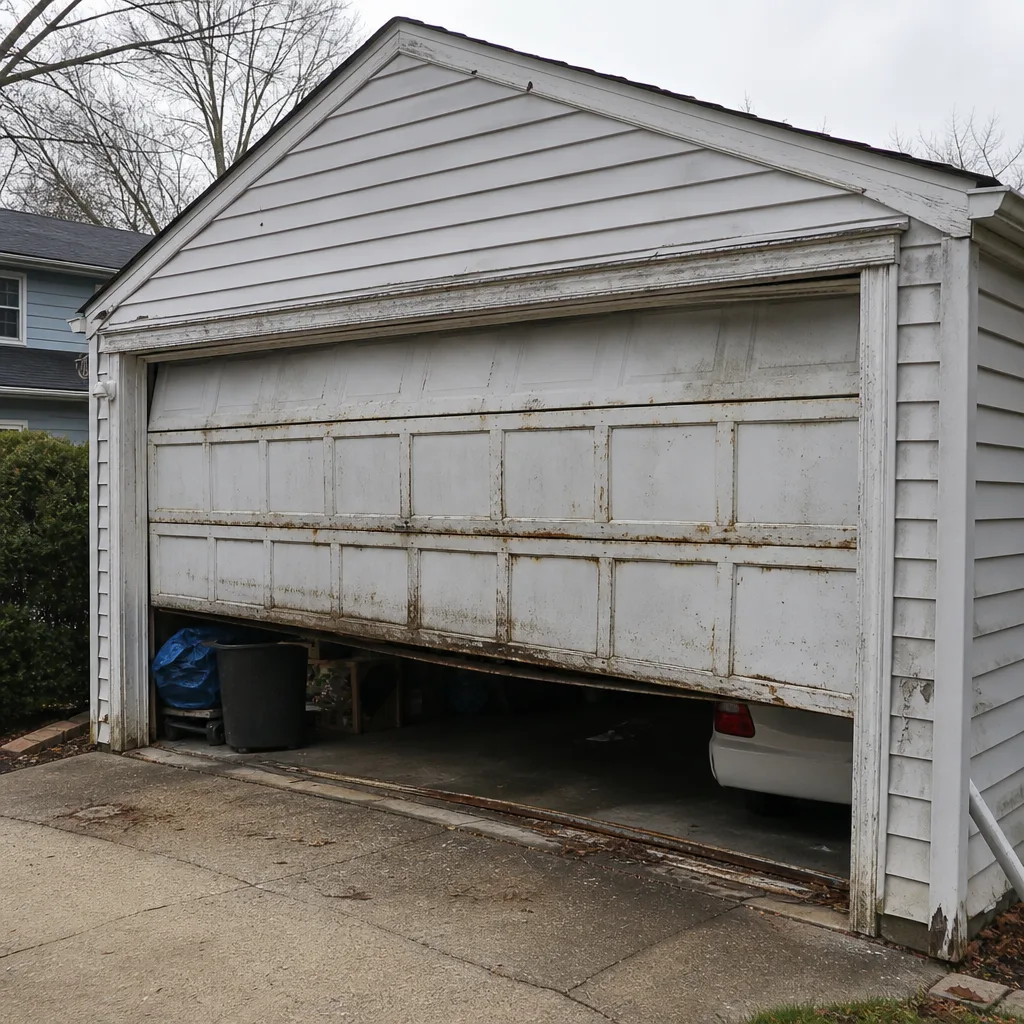
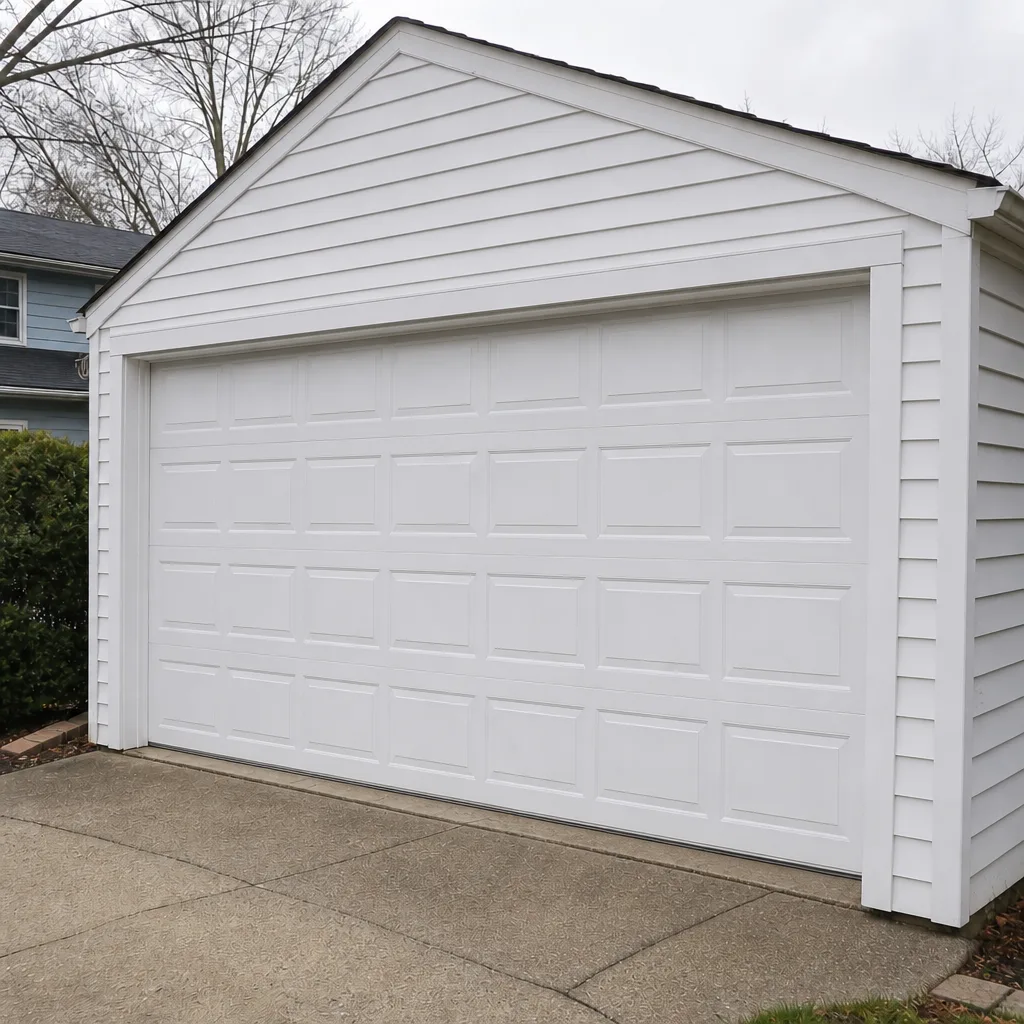
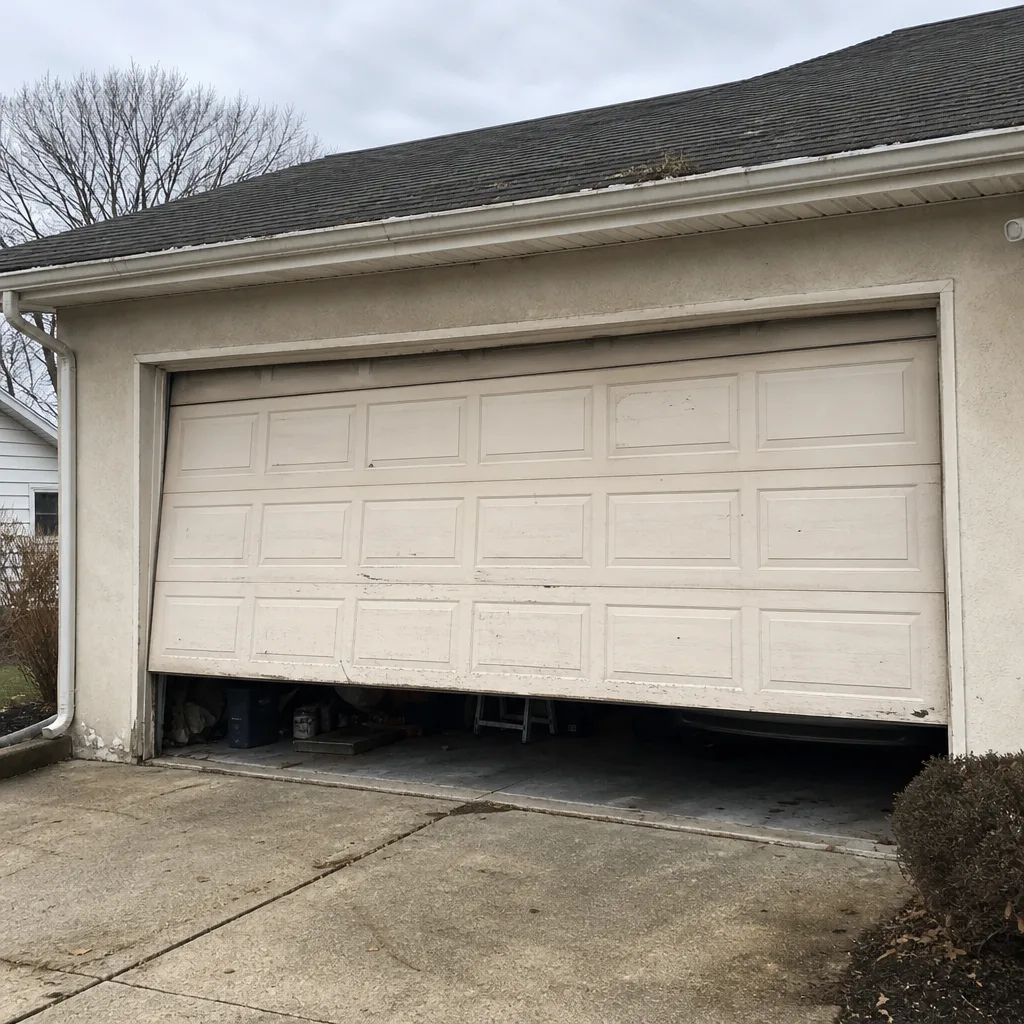
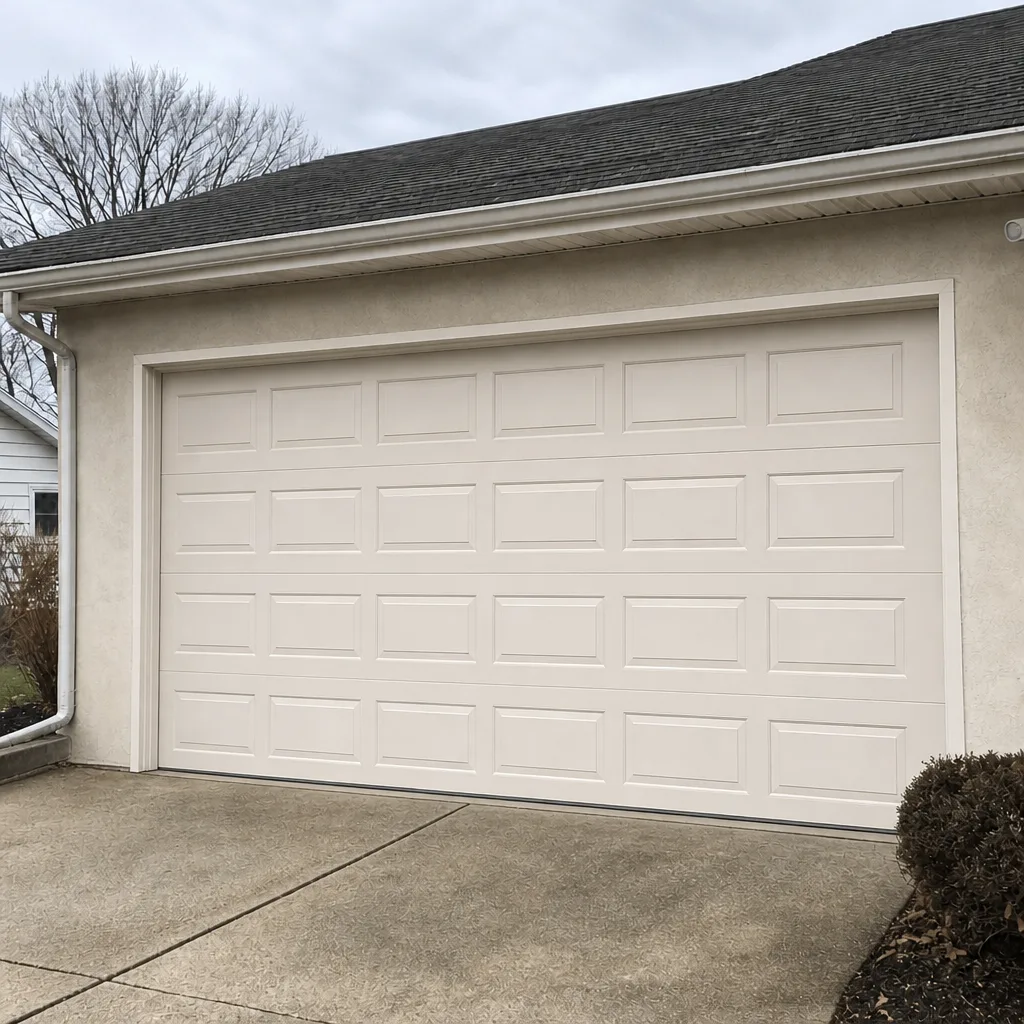
See the difference
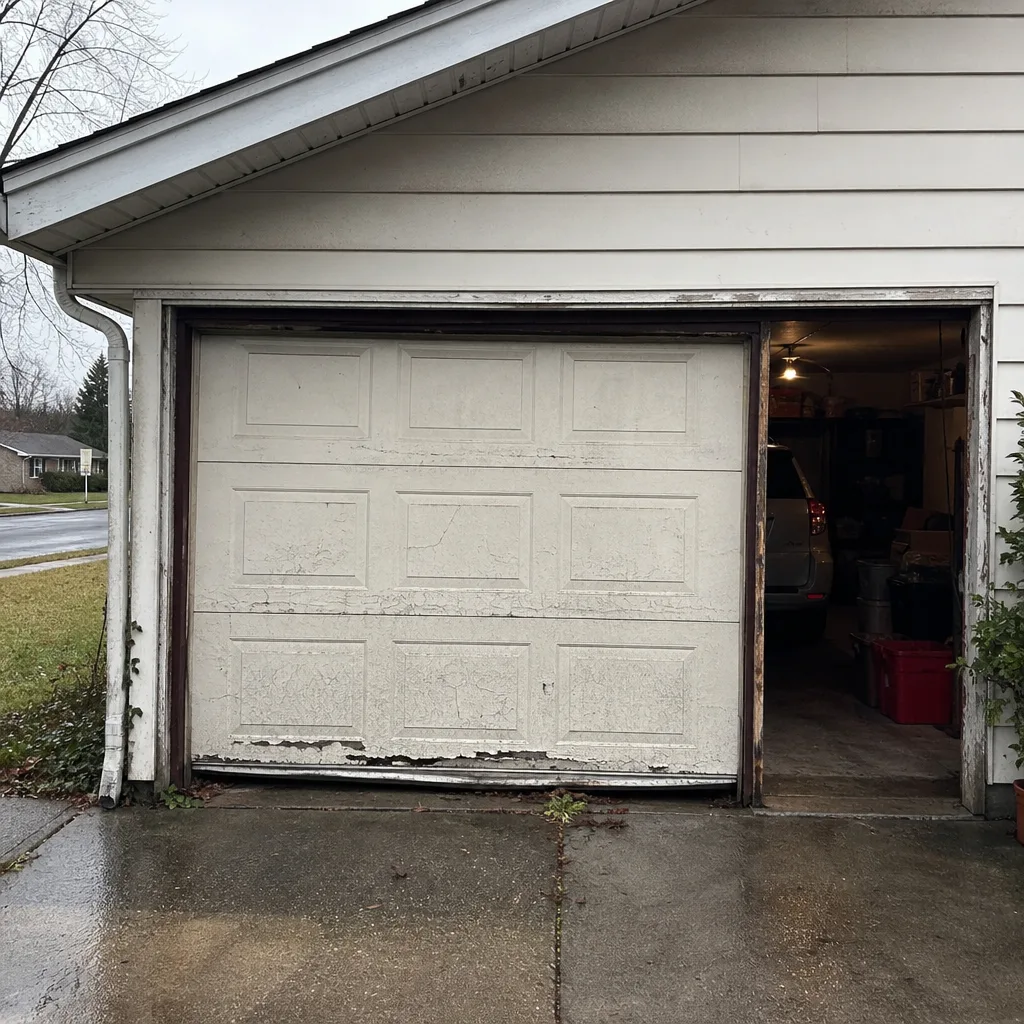 Before
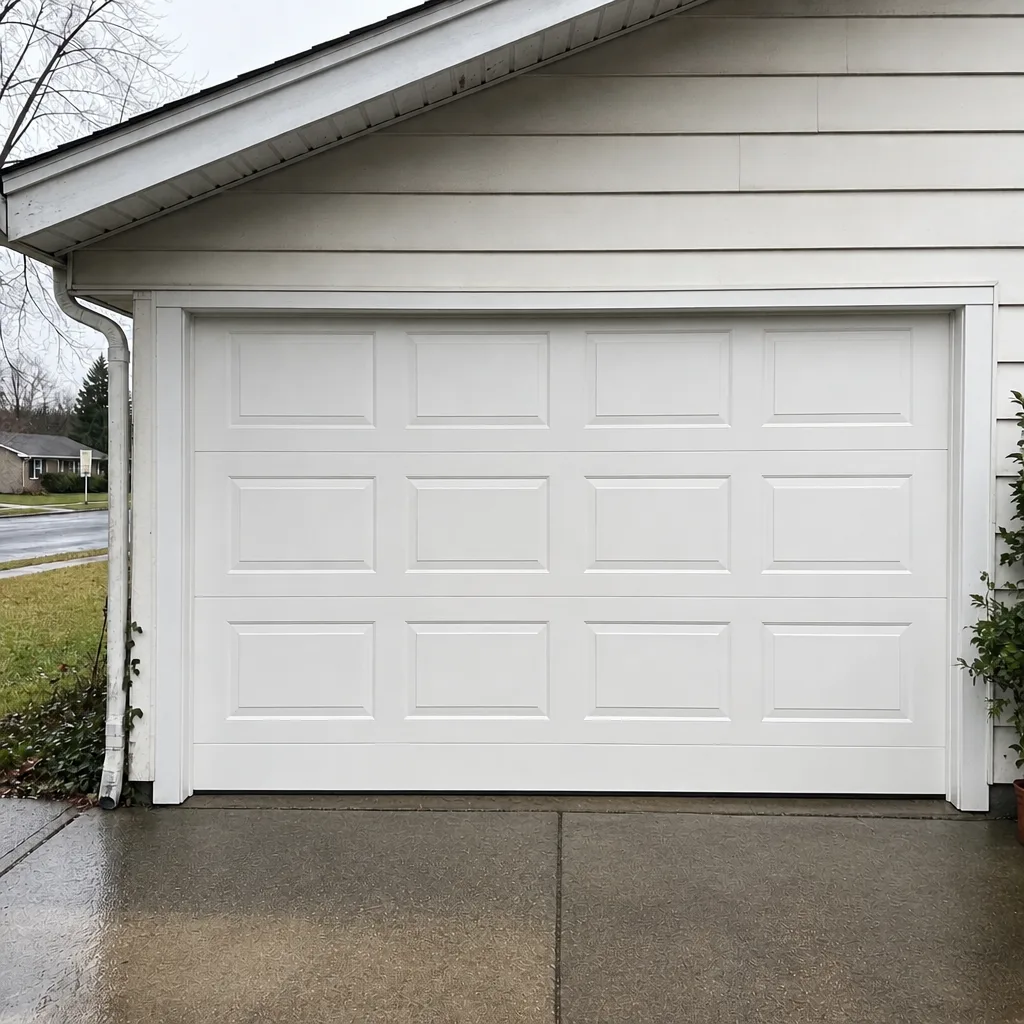 After
 Before
 After
 Before
 After
When to Call a Professional
Call a specialist when the problem involves torsion springs or cables, when the door is off its tracks or binding hard, or when the manual release test shows a door that’s too heavy to lift. Call earlier if you’ve followed the decision tree and landed anywhere in the spring or opener-electronics branch: those are the two places a confident homeowner can turn a manageable repair into a dangerous or expensive one. Our technicians have up to 11 years of experience diagnosing exactly these failures on LiftMaster, Chamberlain, Genie, Clopay, Amarr, Wayne Dalton, Craftsman, and Raynor equipment, and they know the difference between a door that needs a part and a door that needs replacing. Garage Door Repair Vineland offers free estimates in Vineland; call (844) 443-4769. We answer 24/7, with fast dispatch from 7am to 7pm.
If your door is stuck open or won’t open at all, our emergency garage door service exists precisely for that situation: a car trapped, a home left unsecured, a business that can’t open. When we quote the job, the price is set and agreed before any work starts, and the written estimate is what you pay.
Frequently Asked Questions
A door that opens a few inches and stops has almost always hit a physical bind: an obstruction under the door, a misaligned safety sensor, or a track or spring problem. Check the door’s path for debris first, then look at the sensor LEDs. If the bind is a mechanical one in the track or springs, stop running the opener and call for a diagnosis. The free estimate tells you what the fix is before any work starts. Call (844) 443-4769 for that.
No. A torsion spring holds the door’s full weight under heavy tension, and the stored energy can release without warning while the door is closed. Cable replacement carries the same risk. Both belong to a trained technician, and both should stop your troubleshooting the moment you suspect them. That’s true in Vineland and true everywhere. Call (844) 443-4769 to book spring repair.
The safety sensors are telling the opener something is in the doorway, so it’s returning to the open position. Usually that’s a misalignment of a quarter-inch or less, a dirty lens, or an object in the beam. Clean the sensors, square them up, clear the path, and try again. If the door still reverses, one of the sensors has failed and needs service. Call (844) 443-4769 for a quick diagnosis.
That’s almost always a stripped gear or drive sprocket inside the opener. The motor runs, but the drive that connects it to the trolley has failed. It’s a mechanical failure inside the opener unit, not a door problem. On older Craftsman or Chamberlain units, it’s a common end-of-life signal. Call (844) 443-4769 for opener repair or replacement options, whichever makes more sense for your door.
If the motor and logic board are working and one component failed, repair usually makes sense. If the unit is acting erratically, has failed repeatedly, or runs a door that’s out of balance, a new opener often costs less over time than repeated fixes. We diagnose the whole system first and give you a written estimate for both paths so you can decide. Call (844) 443-4769 and we’ll give you a straight answer.
South Jersey humidity swells wooden doors and softens lubricant, so panels can rub against tracks they ran clean in spring. Add worn rollers and the noise multiplies. Tighten loose hardware, replace visibly worn rollers, and clean and lubricate the tracks with a garage-door-rated lubricant. If the noise is a grinding sound that worsens through the door’s travel, it needs a technician’s track and roller inspection. Call (844) 443-4769 if it doesn’t quiet down.
The Bottom Line
Garage door problems look like a single broken thing, but they’re almost always one failing component sending one clear signal. Match the signal to the part: popping is a spring, grinding is a roller or track, reversing is the sensor, and a hum with no movement is the opener gear. Run the manual release test to decide whether you’re working on the door or the opener, and stop when you reach springs or cables. Most of what breaks on a door in Vineland is fixable, and most of the fixes are safe if you know which branch you’re on. When the diagnosis points to a specialist, calling garage door repair gets a technician to confirm the real problem rather than the symptom.
For anything beyond a sensor adjustment or a worn roller, call (844) 443-4769 for a free estimate. We answer 24/7, and fast dispatch runs 7am to 7pm, Sunday through Friday. The written estimate sets the price, and we agree it with you before any work starts. Head back to Garage Door Repair Vineland to see the full range of what we handle.
Written by the team at Garage Door Repair Vineland.