
Last updated November 23, 2026
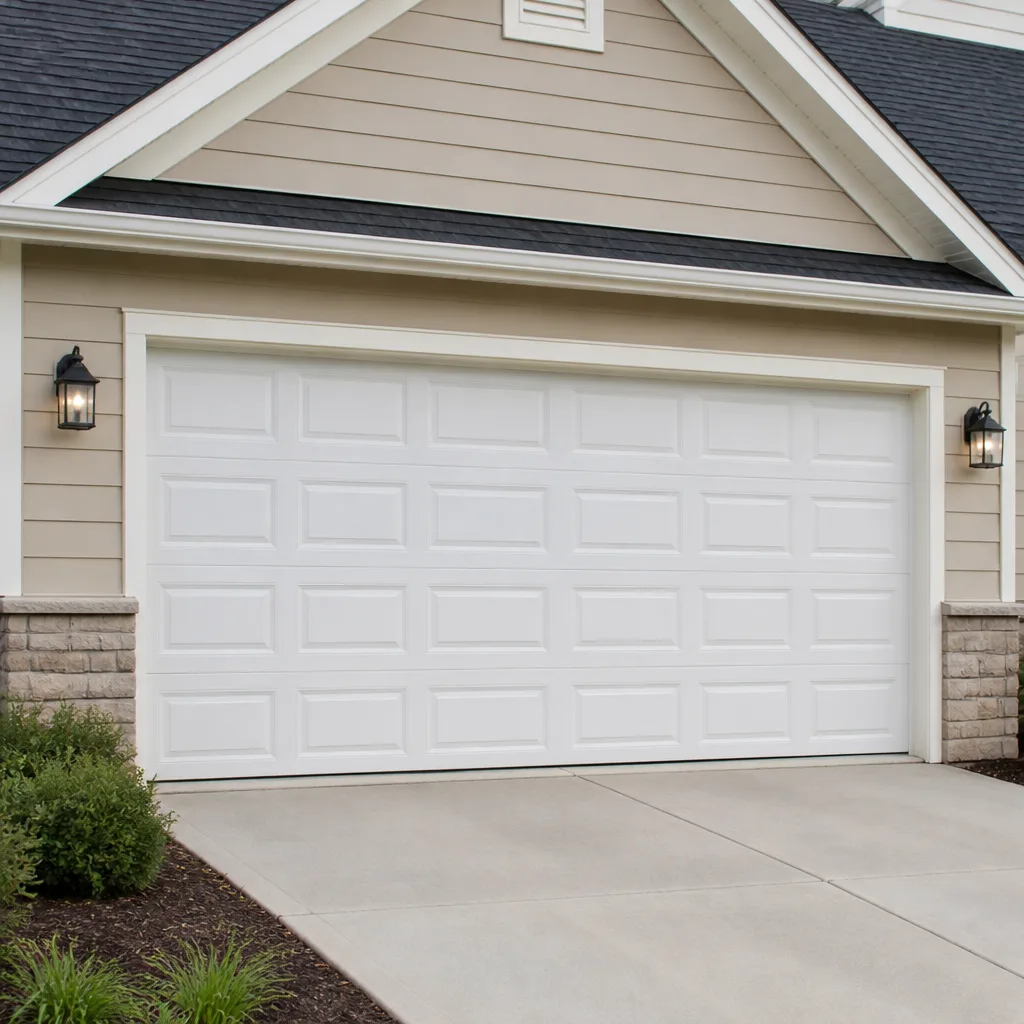 Raised-panel steel
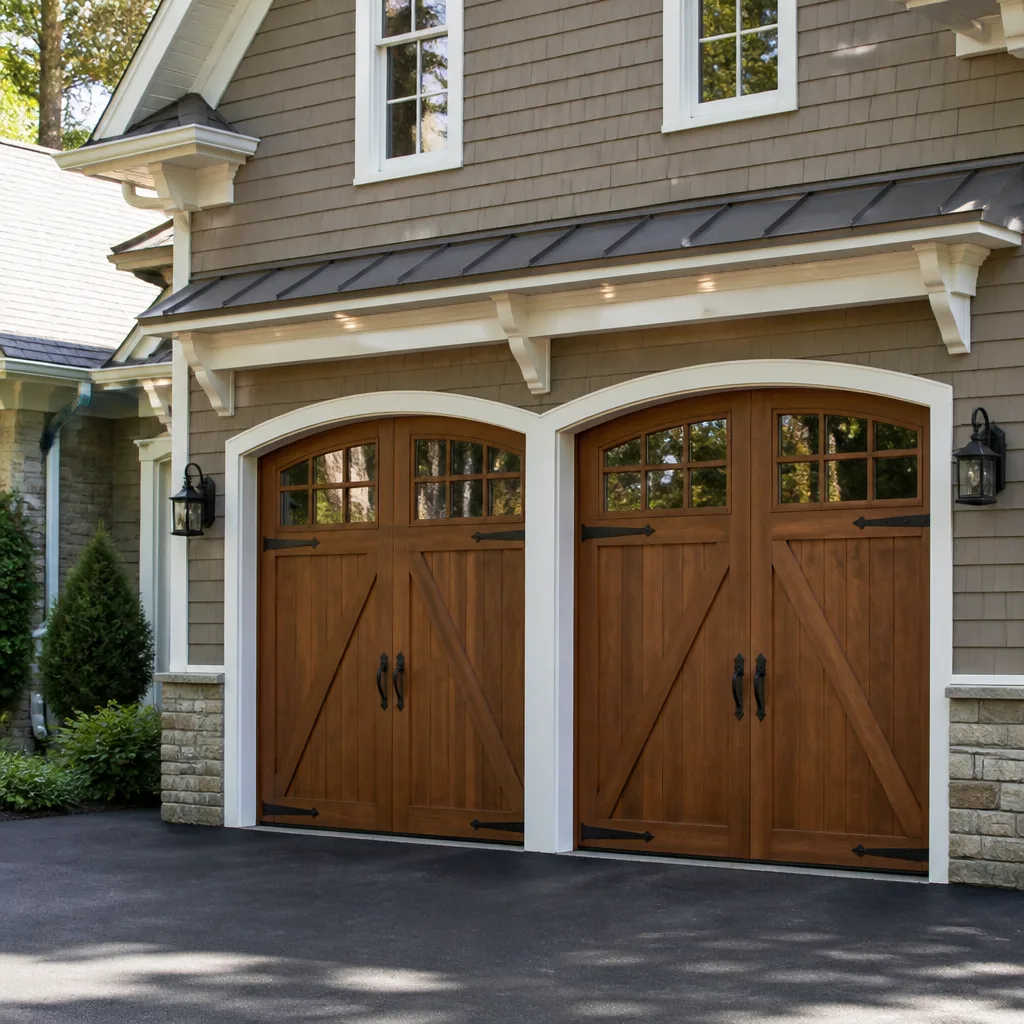 Carriage house
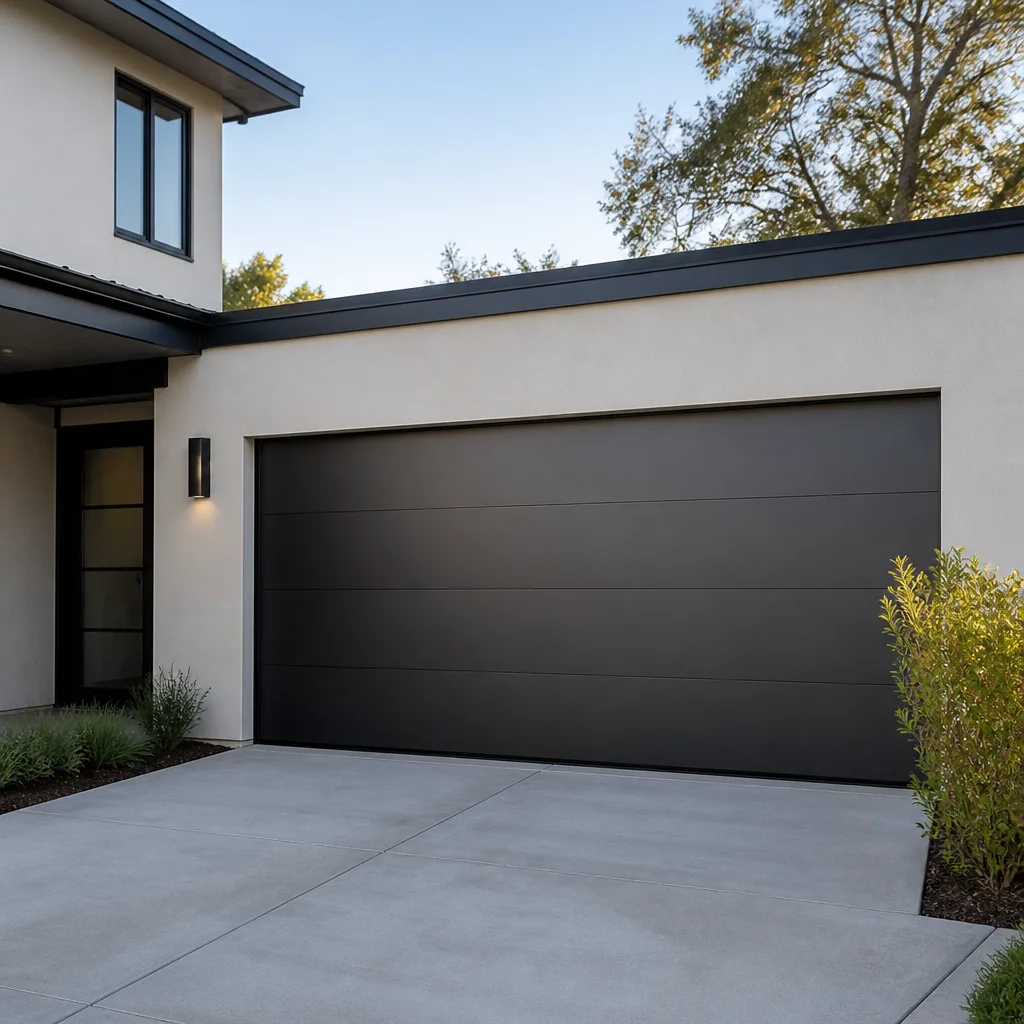 Modern flush
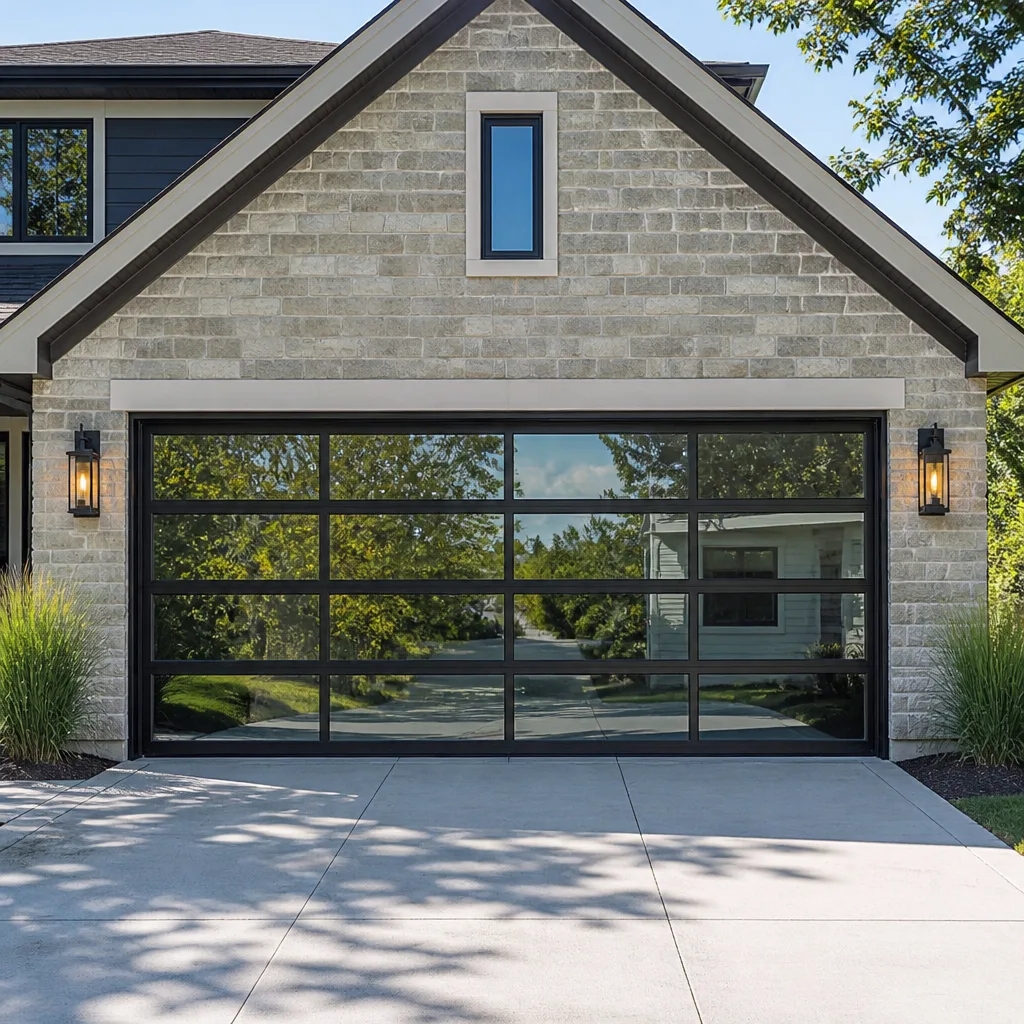 Full-view glass
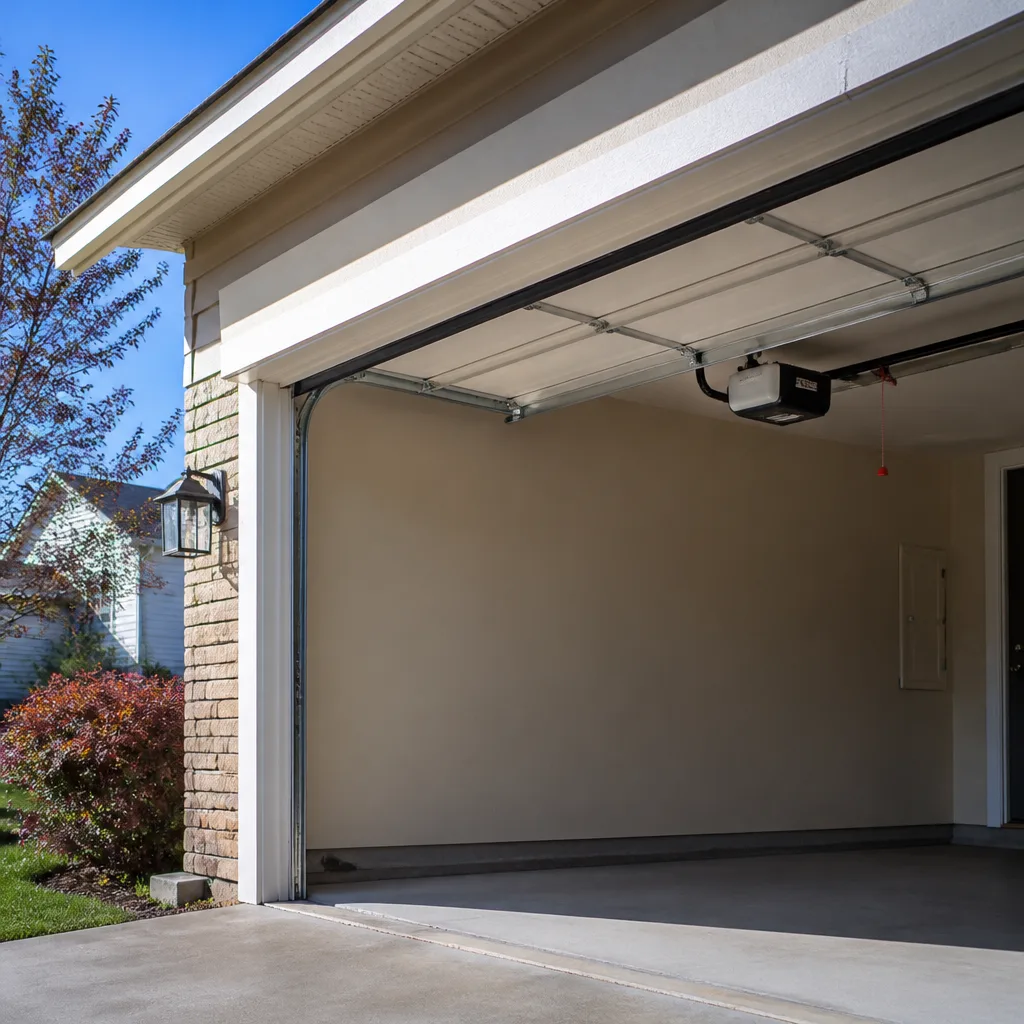 LiftMaster openers
 Chamberlain openers
Full 25-point door and opener safety check with every visit - springs, cables, rollers, tracks, and your LiftMaster or Chamberlain opener included
You get a price before we start. It does not change when the pro arrives.
Get your free estimateGarage Door Emergency Preparedness Guide for Vineland Homes
When a torsion spring snaps at 7 AM on a February morning with a nor’easter in the forecast, the worst time to figure out your garage door company’s emergency line, your manual release procedure, and whether your car is trappable is while it’s happening. Most homeowners in Vineland never think about their garage door until it stops working, and by then the decisions come fast and under pressure. What follows is a planning guide, not a troubleshooting panic page. We’ll walk through the manual release on the LiftMaster and Chamberlain openers common in Vineland homes, how to safely handle a door with a broken spring, what to do in a power outage, and the pre-storm checks that head off the worst of it. Read it once now, while nothing is broken.
Quick Answer
Garage door emergencies in Vineland usually come down to three things: a snapped spring, a dead opener in a power outage, or storm damage from a nor’easter. The single most important prep step is knowing where your manual release cord is and how it works on your specific opener before you need it. For anything involving springs, cables, or a door that’s come off its track, don’t touch it yourself – call a specialist. We answer 24/7 at (844) 443-4769, with fast dispatch from 7am to 7pm, Sunday through Friday.
Styles & brands we work with
- Raised-panel steel
- Carriage house
- Modern flush
- Full-view glass
- LiftMaster openers
- Chamberlain openers
Table of Contents
- Why Vineland Garage Doors Fail on Schedule
- How to Use the Manual Release on Common Vineland Openers
- What to Do (and Not Do) With a Broken Spring
- Power Outage Protocol: Battery Backup and Trapped Cars
- The Vineland Pre-Storm Checklist
- What to Have Ready Before You Call
- Common Mistakes to Avoid
- When to Call a Professional
Why Vineland Garage Doors Fail on Schedule
Garage door failures in Vineland cluster around specific conditions, and once you see the pattern it stops feeling random. The first is cold. Torsion springs are steel under constant tension, and steel gets brittle as temperatures drop. A spring that’s been quietly weakening for months tends to let go on the first hard freeze of the season, often on a Monday morning when the whole household is trying to leave at once. That’s also when demand for repair is highest, which is exactly why planning ahead matters more than reacting.
The second is wind and weather. Vineland sits in a part of South Jersey that takes nor’easters seriously, and sustained high winds put real load on door panels, tracks, and the brackets that hold everything square. A door that’s slightly out of adjustment going into a storm can end up off its track by the time the wind dies down. Freeze-rain does its own damage, sealing weather stripping to the threshold and stressing the bottom section when the door tries to lift.
The third is age and cycling. Every open and close wears the springs, rollers, and hinges a little. A household that runs the door six times a day wears components roughly twice as fast as one that runs it three. None of this is alarming – it’s just predictable. The point of this guide is to move you from reacting to a failure to anticipating one. If your door is showing early warning signs, our garage door repair service is built around catching problems before they strand you.
How to Use the Manual Release on Common Vineland Openers
The manual release is the single most useful thing to understand before an emergency, and it’s the thing most homeowners have never touched. On the LiftMaster and Chamberlain openers that are everywhere in Vineland garages, the release is a cord with a handle hanging from the trolley carriage that rides along the rail above the door. Pulling it disconnects the door from the opener so you can lift it by hand. That sounds simple, and it is – with one giant caveat covered in the next section.
Here’s the general procedure for the belt-drive and chain-drive LiftMaster and Chamberlain units common in this area:
- Confirm the door is fully closed and the opener is powered off if you can reach the switch safely. This keeps the opener from fighting you.
- Locate the release cord hanging from the trolley. On most of these units it’s a red or black handle on a short cord.
- Pull straight down and toward the door with steady pressure. You should feel the carriage disengage with a click.
- Lift the door slowly by hand using the bottom section, keeping your body clear of the door’s path.
- Prop or hold the door fully open before moving a vehicle, and never leave it partway up unattended.
Genie and Wayne Dalton units use a similar trolley release, though the handle style and pull direction vary slightly. When you re-engage the opener, run the door by hand until the carriage clicks back into the trolley, then test a full cycle with the remote. If the door won’t re-engage or the opener runs but the door doesn’t move, that’s an opener problem – our garage door opener repair team handles those regularly.
The safety caveat that changes everything: a manual release only works safely on a door whose springs are intact. If a spring is broken, the door is being held up by the opener alone, and pulling that release can drop the door fast and hard. Never use the manual release on a door with a suspected broken spring.
What to Do (and Not Do) With a Broken Spring
A broken torsion spring announces itself with a loud bang, and afterward the door usually won’t lift or feels impossibly heavy. This is the most mechanically complex and physically dangerous garage door failure there is, and it’s why spring work is a specialty rather than a general repair. Torsion springs store enormous energy; a door with a broken spring is being held in place by whatever tension remains and by the opener, and that’s a fragile arrangement.
What you can safely do:
- Leave the door closed if it’s already down. A closed door with a broken spring is stable and secure.
- Keep vehicles and people clear of the door’s travel path.
- Disconnect the opener at the wall switch or breaker if you can reach it safely, so nobody accidentally runs it.
- Call for spring repair and describe what you heard and see. Our garage door spring repair specialists deal with this exact scenario constantly.
What you should not do: don’t try to lift the door by hand to check “how bad it is,” don’t pull the manual release, and don’t attempt to adjust, wind, or replace the spring yourself. A torsion spring under load can cause serious injury. There’s no safe DIY version of this job, and the risk isn’t worth a few saved dollars. If the door is stuck open with a broken spring, don’t force it down – a door that’s come off balance can drop, and forcing it can bend panels or pop a cable. Call and let a trained specialist bring it down safely.
Power Outage Protocol: Battery Backup and Trapped Cars
Power outages are a real part of life in Vineland during storm season, and whether your car is trapped depends on one feature: battery backup. LiftMaster and Chamberlain openers with a battery backup (often sold as an add-on or built into certain models) keep the door working for a set number of cycles after the power drops. The exact cycle count depends on the model and battery condition, so check your owner’s manual for the number that applies to your unit – but the practical point is that a backup lets you open and close the door a limited number of times, not indefinitely. Each cycle draws it down.
If you have battery backup:
- Use it sparingly. Open once to get the car out or in, then leave the door closed.
- Watch for a warning beep or light that signals low battery, so you know it’s nearly spent before it fails.
- Replace the battery after any long outage, since a drained backup won’t protect you next time.
If the battery is dead and the door is closed with a car inside, the manual release is your route – but only if the springs are intact. Pull the release, lift the door by hand, back the car out, and close the door manually. If the springs are in question, don’t pull the release; call instead. For a door that won’t budge because of opener trouble rather than a dead battery, a Genie or LiftMaster unit can usually be diagnosed and fixed same-day. We answer 24/7 at (844) 443-4769, and a call outside dispatch hours is booked into the next opening, Sunday through Friday, 7am to 7pm.
The Vineland Pre-Storm Checklist
Nor’easters are the big weather event around here, and a little prep before one hits prevents most of the damage we see afterward. This isn’t about battening down – it’s about making sure the door and opener are in a state where the storm won’t find a weak point. Run through this list when a strong system is in the forecast:
- Check cable tension by sight, not by touch. Look at both sides of the door with it closed. The cables should be taut and evenly seated on their drums. Frayed strands, slack, or an obvious difference between the two sides means call a specialist before the wind arrives.
- Verify the weather seal and bottom threshold. A seal that’s cracked or pulling away lets freeze-rain and wind-driven water in. Replace worn seals before the cold snap, not after.
- Test the door’s balance by hand. With the opener disengaged and the door partway up, it should feel roughly neutral, not heavy in either direction. A door that wants to fall or wants to rise is out of balance and should be adjusted.
- Adjust the opener’s force and travel settings if the door is binding. If the door catches or reverses on its own, the force limit is being tripped – that’s a sign of a mechanical problem, and it’s worth fixing now rather than mid-storm.
- Clear the tracks and check the brackets. Loose lag bolts at the track and header brackets are common after a season of cycling, and they loosen further under wind load.
If the door is over a decade old and showing any of these issues, it may be worth thinking about whether a repair or a replacement is the better call. We install and service Clopay, Amarr, and Wayne Dalton doors, so we can walk you through both options honestly. A free measure and a written price up front means no surprises once the work is scheduled.
What to Have Ready Before You Call
The difference between a quick diagnosis and a lot of back-and-forth is having the right details on hand when you call for emergency service. A technician who knows your spring size and opener model before arriving can often have the right parts in hand the first time. Here’s what to gather – do it now while nothing’s wrong, and keep it somewhere you’ll find it under stress, like the inside of the garage door or a note in your phone:
- Spring size markings. Torsion springs have painted or printed markings indicating wire size and length – for example, color-coded ends or a stamped number. These tell the technician exactly what replacement to bring.
- Opener model number. Look on the opener housing or the back panel. LiftMaster, Chamberlain, Genie, and Craftsman model numbers are usually printed on a label on the head unit or the rail.
- Door dimensions. Width and height of the opening, plus the door material and brand if you know it – Clopay, Amarr, Wayne Dalton, and Raynor doors all have identifying labels inside the panel.
- What the door is doing. Won’t open at all, opens partway, reverses, makes a banging sound, or is visibly off-track – describe it plainly.
- Your contact and address details, plus whether a vehicle is trapped behind the door.
None of this takes long to gather, and it turns a stressful call into a quick, useful one. It also means the estimate you get up front is more likely to be the final number, because the technician isn’t discovering problems on arrival that change the scope.
Common Mistakes to Avoid
- Pulling the manual release on a door with a broken spring. It feels like the obvious fix and it’s the fastest way to drop a heavy door. If the spring is suspect, leave the release alone and call.
- Forcing a stuck door by hand. If the door won’t lift or push down with reasonable effort, something is bound or broken. Forcing it bends panels and pops cables, turning a repair into a replacement.
- Ignoring an opener that reverses on its own. A door that goes back up mid-cycle is telling you the safety reversal is tripping – usually because of a binding track or an obstruction. It’s not a quirk to live with; it’s an early warning.
- Letting a battery backup run flat and staying flat. If your opener has battery backup, replace the battery after any long outage so it’s ready for the next one. A dead backup is no backup.
- Assuming a Vineland storm didn’t do damage because the door still works. Wind-loaded doors often come out of the storm slightly out of square, and the misalignment shows up weeks later as uneven wear. Have a pro look if you suspect anything.
- Calling a generalist for spring work. Springs are a specialty, and precision matters. A specialist carries the right parts and knows the tolerances.
- Waiting for the coldest morning to think about it. Demand peaks exactly when springs fail, which is when scheduling is tightest. Get your pre-season check done before the first hard freeze, not after.
When to Call a Professional
Some garage door problems are genuinely minor – a remote that needs a fresh battery, a photo-eye that’s been bumped out of line. Others are not. Call a professional when you hear a bang and the door won’t lift, when the door is visibly off its track or hanging unevenly, when a cable is slack or frayed, when the opener runs but the door stays put, or when a vehicle is trapped behind a door that won’t open. Springs and cables are the components where the risk of injury is real, so treat any suspicion seriously. Garage Door Repair Vineland offers free estimates in Vineland – call (844) 443-4769. We answer 24/7, with fast dispatch from 7am to 7pm, Sunday through Friday. Our technicians have up to 11 years of experience, and we service LiftMaster, Chamberlain, Genie, Clopay, Amarr, Wayne Dalton, Craftsman, and Raynor systems.
See the difference
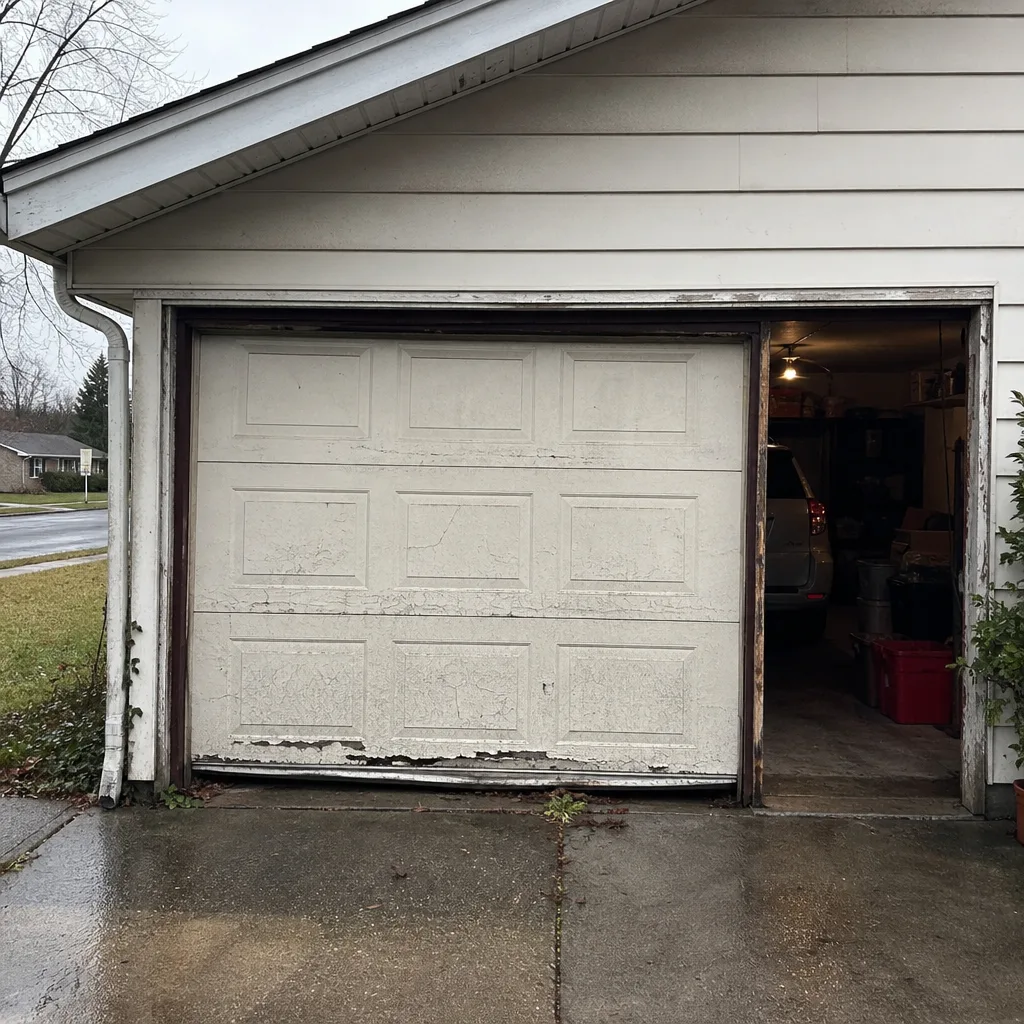 Before
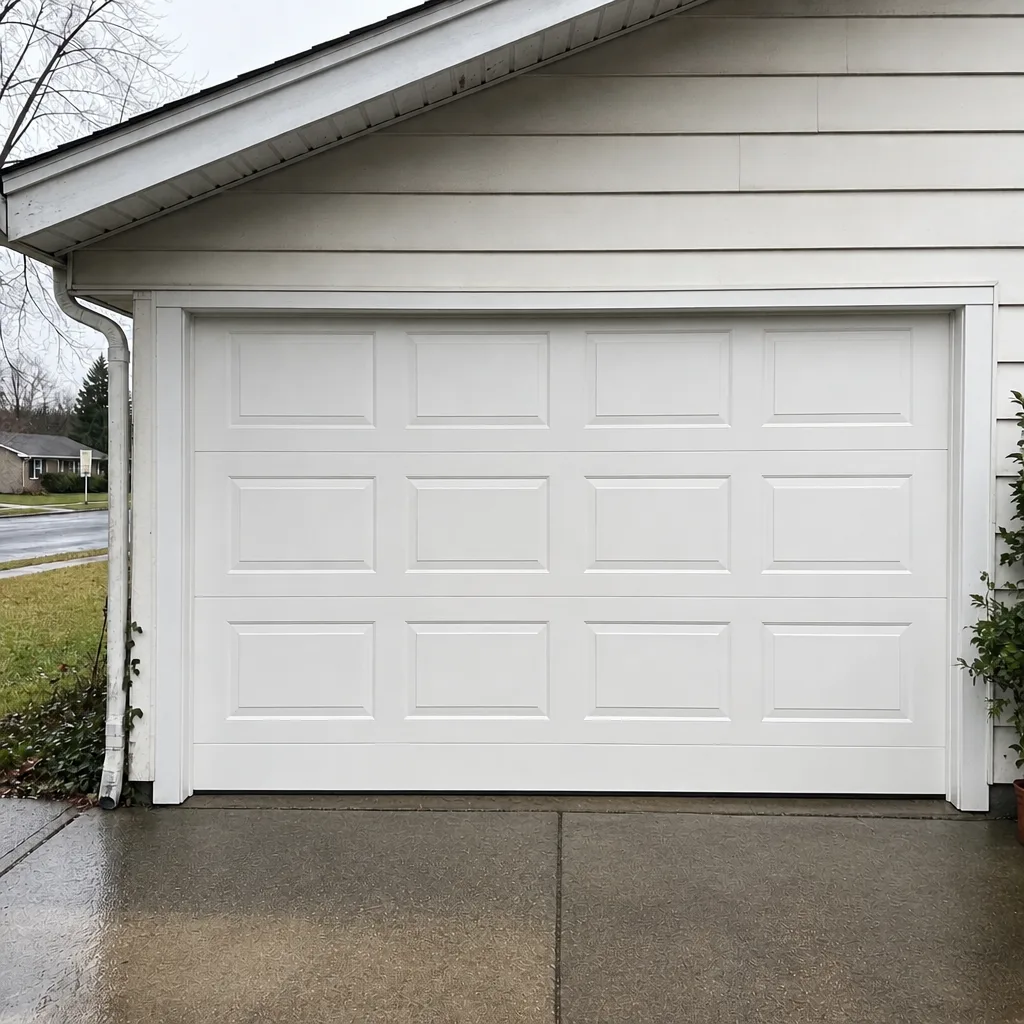 After
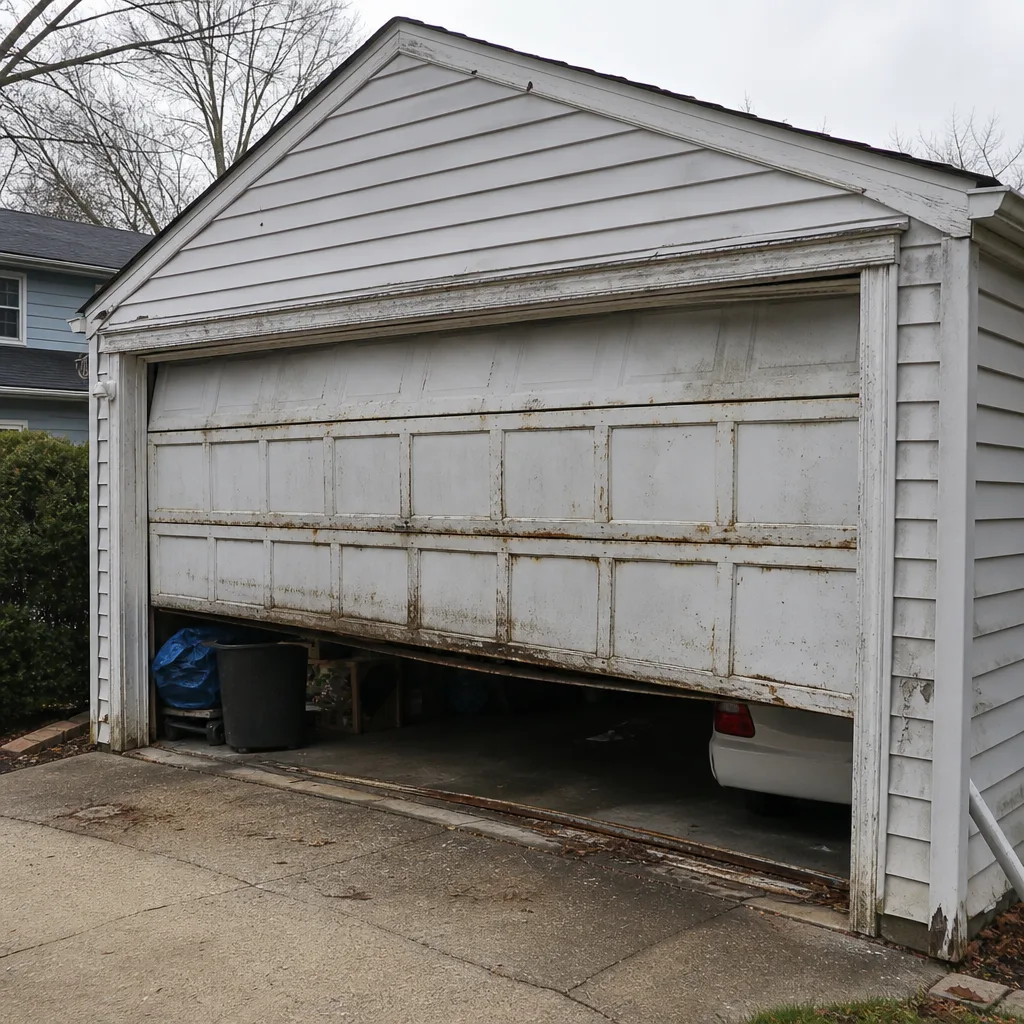 Before
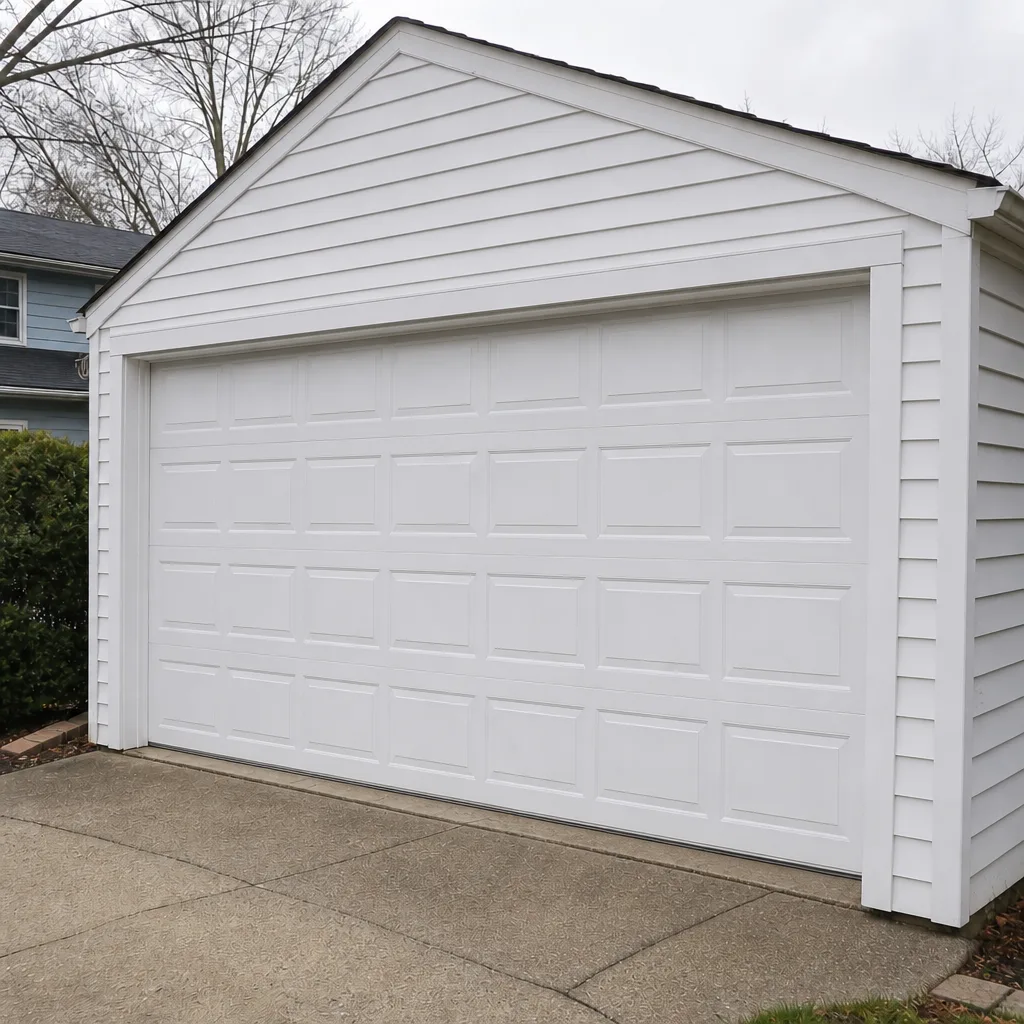 After
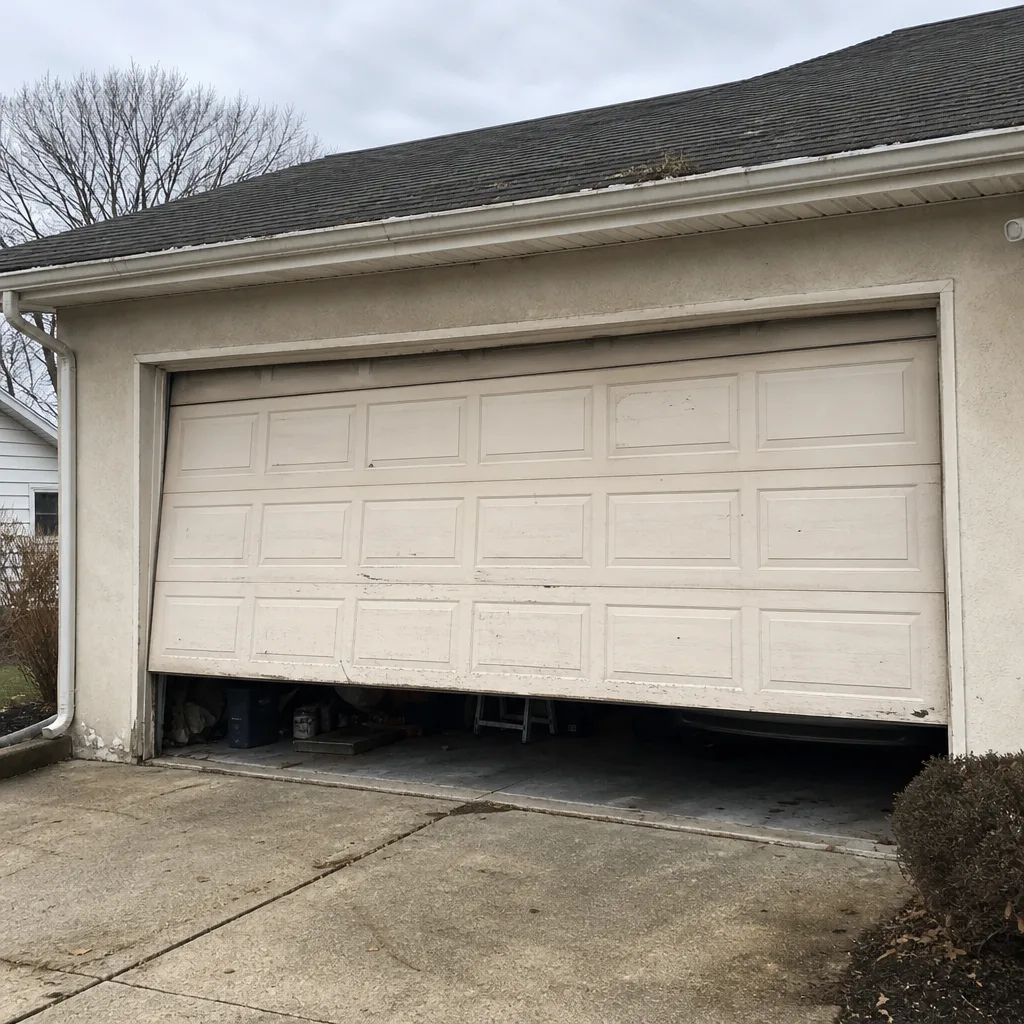 Before
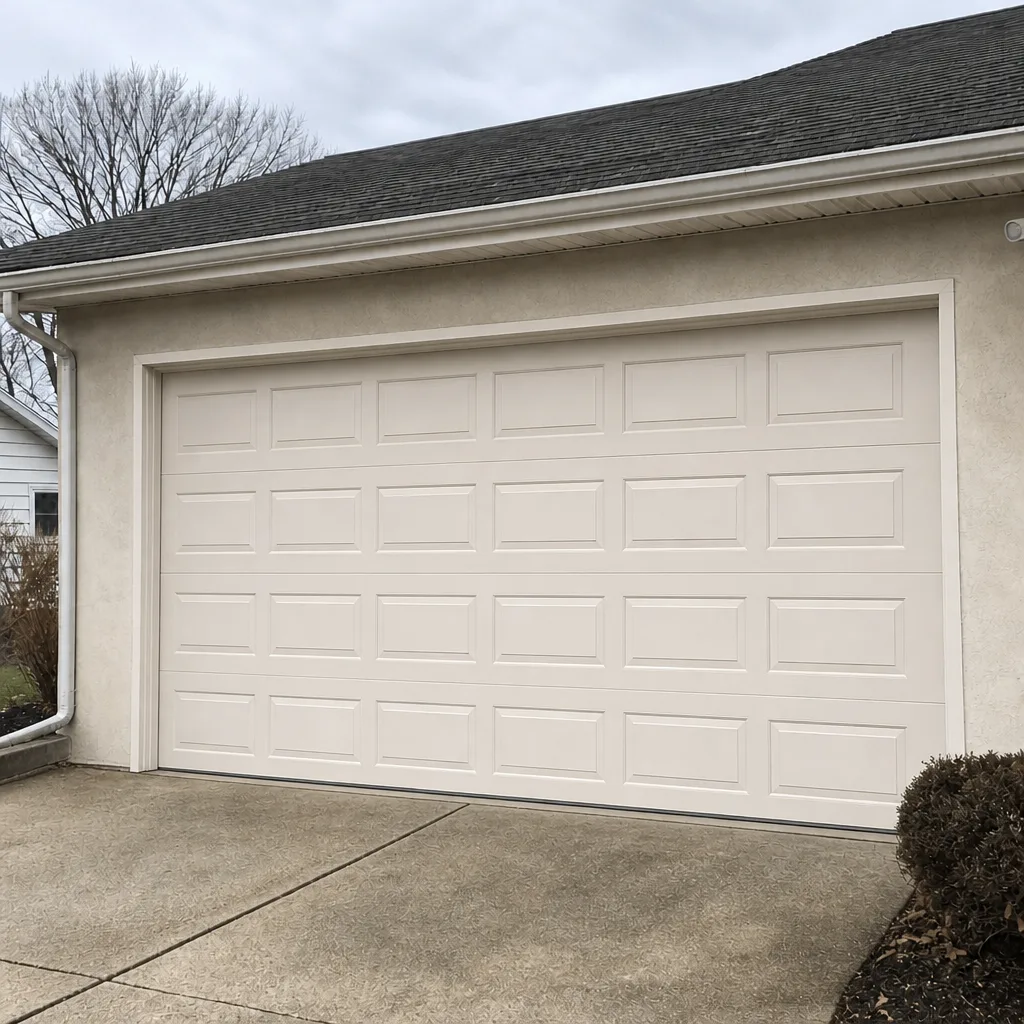 After
Frequently Asked Questions
Leave the door closed if it’s already down, keep vehicles and people clear, disconnect the opener at the wall switch if you can reach it safely, and call a spring specialist. Do not pull the manual release or try to lift the door yourself – a door with a broken spring is held up by very little and can drop. Call (844) 443-4769; estimates are free.
If your LiftMaster or Chamberlain opener has battery backup, use it sparingly to open the door a limited number of cycles, then close it and leave it. If the battery is dead and the door is closed with a car inside, use the manual release cord – but only if the springs are intact. If you suspect a broken spring, don’t pull the release; call instead.
No – the price you agree to before work starts is the price you pay. We quote the job up front from a written estimate, and that written estimate sets the final number. Gathering your spring size and opener model before we arrive speeds this up, because the technician knows what parts the job needs. Call (844) 443-4769 for a free estimate.
The local professionals we connect you with are licensed and insured as their state requires. Our technicians have up to 11 years of experience, and they work on garage doors exclusively – not plumbing, HVAC, or general handyman work. Call (844) 443-4769 for an exact quote; estimates are free.
No. A door with a broken spring is out of balance, and forcing it down can bend panels, pop a cable, or let the door drop. Leave it as it is, keep clear of the door’s path, and call a specialist to bring it down safely. Call (844) 443-4769.
Same-day service is often available for urgent repairs like a broken spring, a stuck door, or an opener that’s failed. We answer 24/7 at (844) 443-4769, with fast dispatch from 7am to 7pm, Sunday through Friday. A call outside dispatch hours is booked into the next opening. Estimates are free.
The Bottom Line
Most garage door emergencies in Vineland are predictable – springs fail in the cold, storms load the door and tracks, and outages trap cars behind doors that won’t open. The preparation is what you do before any of that happens: know your manual release, keep your spring and model details handy, run the pre-storm check, and never force a door with a broken spring or a suspected cable problem. None of it takes long, and all of it makes a bad morning go better. When you need a specialist, Garage Door Repair Vineland is here for the repair, the spring, the opener, and the installation. Call (844) 443-4769 for a free estimate. We answer 24/7. Fast dispatch from 7am to 7pm, Sunday through Friday.
Written by the team at Garage Door Repair Vineland.